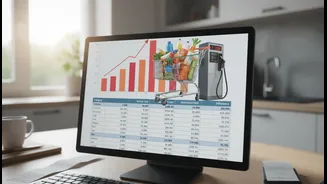









What the Latest Figures Say
According to data released by the Ministry of Statistics, India's retail inflation, measured by the Consumer Price Index (CPI), accelerated to 4.38% in June 2026. This is a significant increase from the 3.93% recorded in May and marks an 18-month high.
For the first time in over a year, inflation has breached the Reserve Bank of India's (RBI) medium-term target of 4%. The two main culprits behind this surge are food and transport. Food inflation climbed to 5.32%, while transport inflation saw a sharp rebound to 4.31%. These aren't just abstract numbers; they represent a real increase in the day-to-day expenses for households across the country.
The Pinch at the Grocery Store
The rise in food inflation to 5.32% is putting direct pressure on kitchen budgets. This increase has been driven by higher prices for essential items. For instance, prices for vegetables like tomatoes and spices like ginger have seen steep hikes. While some items like potatoes have become cheaper, the overall basket of goods that a typical family buys is costing more. Experts point to a combination of factors, including supply disruptions and weak monsoon showers, which are critical for Indian agriculture. For young households, this means the weekly grocery run feels more expensive, and the cost of staple meals is visibly rising, forcing a re-evaluation of spending on fresh produce and proteins.
Commuting Costs on the Rise
Getting to work or travelling on weekends has also become costlier. Transport inflation jumped significantly to 4.31% in June, a sharp rise from 1.75% in May. This is largely due to the pass-through effect of higher global fuel prices, linked to geopolitical tensions, which led to domestic fuel price hikes. As the world's third-largest crude oil importer, India is particularly vulnerable to these fluctuations. For young individuals and couples living in urban centres, this translates into higher costs for petrol or diesel for their personal vehicles, and potentially higher fares for public transport and ride-hailing services.
The Ripple Effect on Lifestyle and Savings
The impact doesn't stop at food and fuel. These core expenses have a ripple effect on the discretionary spending that defines a young person's lifestyle. The cost of eating out at restaurants and ordering food online increases as establishments pass on their higher input and transport costs to customers. This financial pressure adds to the existing challenges faced by young urban Indians, where high rents and the desire to maintain a certain standard of living already strain budgets. For many, this means cutting back on non-essentials, delaying vacation plans, and finding it harder to allocate money towards long-term financial goals like investments or saving for a down payment.
How Can Households Navigate This?
While you can't control national inflation, you can take steps to manage its impact on your personal finances. Start by creating a detailed budget to understand exactly where your money is going. This helps separate essential spending from discretionary wants. Look for smart savings at the grocery store by planning meals, buying seasonal produce, and taking advantage of sales. For transport, explore options like carpooling, using public transport passes, or consolidating trips. It's also a good time to review and potentially reduce high-interest debt, such as credit card balances, as interest rates may rise if inflation remains elevated. Building or boosting an emergency fund can also provide a crucial buffer against unexpected price shocks, ensuring your long-term savings remain untouched.