




Why Fibre is a Modern-Day Essential
In our fast-paced lives, diets often become reliant on refined grains like white rice and wheat flour, which can be low in dietary fibre. Fibre is crucial for good health. It plays a vital role in maintaining a healthy digestive system, promoting regular
bowel movements and preventing constipation. Soluble fibre, found abundantly in millets, can help manage cholesterol levels, while insoluble fibre acts as a prebiotic, feeding the good bacteria in your gut. Furthermore, high-fibre foods help you feel full for longer, which can aid in weight management. They also have a low glycemic index, meaning they release sugar into the bloodstream slowly, making them an excellent choice for managing blood sugar levels.
A Quick Guide to Common Indian Millets
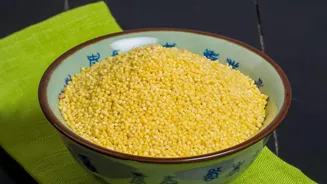
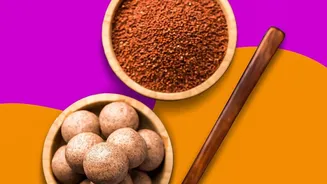
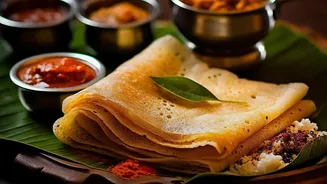
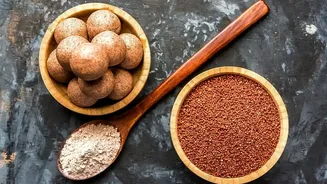
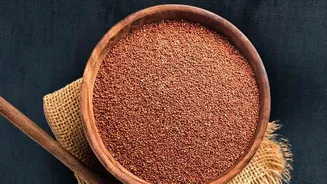
India is the world's largest producer of millets, and our markets are full of wonderful varieties. Getting started is as simple as knowing which one to pick. Some of the most popular types you'll find are: Jowar (Sorghum): A gluten-free staple, often used to make rotis. It's rich in protein and fibre. Bajra (Pearl Millet): Known for its warming properties, bajra is popular in winter. It has a nutty flavour and is high in iron and fibre. Ragi (Finger Millet): Famous for its incredible calcium content, which is significantly higher than rice or even milk. It's often used in dosas, porridges, and rotis. Foxtail Millet (Kangni/Thinai): A light, easy-to-digest grain that is a great substitute for rice in many dishes. It is rich in iron and helps in controlling blood sugar. Barnyard Millet (Sanwa/Jhangora): This millet cooks quickly and is very high in fibre, aiding digestion and detoxification.
The Easiest Way to Begin: Simple Swaps
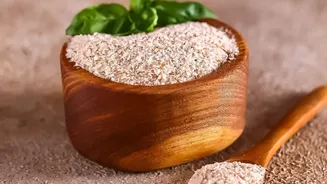
The secret to adopting millets is not to overhaul your entire diet overnight, but to make small, sustainable changes. The 'swap' is your most powerful tool. Instead of making a separate millet dish, simply substitute it into meals you already love. The easiest place to start is with your daily rotis. Try a blend of 50% whole wheat flour and 50% jowar or ragi flour. Many find that after a few weeks, their palate adjusts, and they can move to 100% millet rotis. Another simple swap is replacing a portion of your white rice with a cooked millet like foxtail or little millet. You can use it as a side for your dal and sabzi, or incorporate it directly into dishes like pulao or lemon rice.
Upgrade Your Breakfast and Main Meals
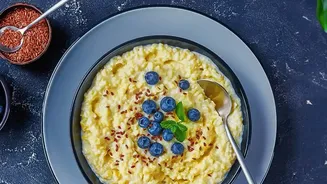
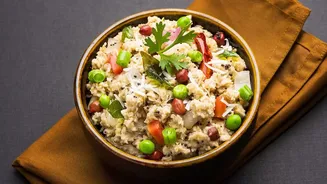
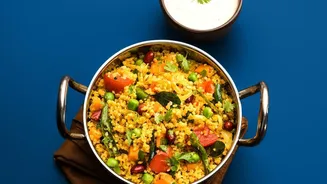
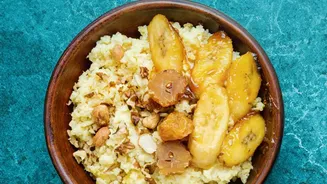
Breakfast is an excellent meal to fortify with fibre. A warm bowl of millet porridge is both comforting and incredibly nutritious. Simply cook foxtail millet with milk or water and sweeten with a little jaggery for a wholesome start to your day. For a savoury option, millet upma is a fantastic alternative to the traditional semolina version. For lunch and dinner, think beyond just rotis. Millet khichdi made with kodo or barnyard millet and moong dal is a light yet filling one-pot meal. You can also add cooked millets to salads for a texture and nutrient boost or blend millet flour into the batter for dosas and idlis.
Tips for Perfect, Fluffy Millets
Some people are hesitant to cook millets because they worry about the texture. However, a few simple tips can ensure you get it right every time. Rinsing the millet thoroughly before cooking is a must to remove any impurities. For a nuttier, more aromatic flavour, try dry-roasting the grains in a pan for a few minutes before adding water. A good starting ratio for cooking is 1 cup of millet to 2 or 2.5 cups of water. Bring the water to a boil, add the millet, then reduce the heat to a simmer and cover the pot. Let it cook for about 15–20 minutes, or until all the water is absorbed. The key is to then let it rest, covered, off the heat for 5–10 minutes. This step allows the grains to steam and become tender. Finally, fluff with a fork before serving.