

The End of the Attraction Checklist
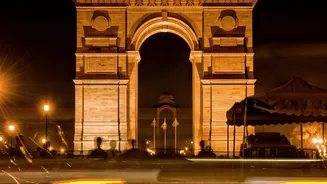
Remember the classic family holiday? It was often a whirlwind tour of famous landmarks, racing from one spot to another to tick them off a list. While seeing iconic sights remains a part of travel, it's no longer the main event for a growing number of people.
Modern travellers, particularly Millennials and Gen Z, are rewriting the rules. Instead of collecting destinations, they are seeking meaningful memories and a deeper cultural understanding. This change reflects a powerful global trend known as experiential travel, where the goal is to immerse oneself in a place, not just observe it from a distance. In India, this shift is accelerating, with the experiential travel market projected to grow significantly as younger travellers seek more personalised journeys.
What is Experiential Travel?
At its heart, experiential travel is about participation over observation. Instead of just eating at a popular restaurant, you might take a cooking class with a local family to learn the secrets behind their regional cuisine. Rather than buying a factory-made souvenir, you could join a workshop with a local artisan to create your own. This form of tourism focuses on active and meaningful engagement with a destination's culture, people, and environment. It's the difference between watching a traditional dance performance and actually learning a few steps, or between seeing a farm and staying on one to understand its daily rhythm. The focus moves from seeing to doing, and from observing to participating in a way that creates a genuine connection.
Why the Shift Is Happening Now
Several factors are driving this evolution in travel preferences. For one, in a digitally saturated world, there is a growing hunger for authenticity—for real, unfiltered moments that can't be captured in a single social media post. A recent Airbnb report highlighted that for India's Gen Z, travel is an act of self-expression, with 95% wanting their trip to feel personal and unique, not pre-packaged. The desire for personal growth is another key driver. Many travellers now see their journeys as an opportunity for transformation, seeking challenges and learning new skills that broaden their horizons. Wellness, too, has been redefined; it's less about spas and more about finding a connection with communities and nature, leading to a feeling of being rooted rather than just rested.
How to Plan an Experience-Led Trip
Planning an experiential trip requires a different mindset. It's less about a packed itinerary and more about creating space for spontaneity. Start by identifying a core theme for your trip—be it food, adventure, art, or wellness. Instead of booking every minute, plan for a maximum of one core activity per day, leaving room for spontaneous discoveries. Research local operators and homestays that have strong community ties. Before you go, take some time to learn about local customs and etiquette to ensure your interactions are respectful. This approach encourages you to slow down and truly absorb the atmosphere of a place. For many young Indian travellers, this means ditching packaged tours in favour of independent planning, using digital tools to customise their own unique adventures.
Experiences for Every Indian Traveller
The beauty of experiential travel is its versatility. India, with its immense diversity, offers a vast canvas for such journeys. For a family, it could mean a farm stay in Punjab, where children can learn about agriculture firsthand. For a solo traveller, it might be a multi-day trek in the Himalayas, staying in remote villages and connecting with local communities. A group of friends could explore the culinary landscape of Chettinad by learning to cook with local spices, while a couple might seek a wellness retreat in Kerala focused on Ayurveda and quiet connection. These experiences move beyond the typical tourist trail, offering a richer, more memorable way to explore the country and the world.