


Protein and Its Building Blocks
First, a quick science lesson. Proteins are vital macronutrients that act as the primary building blocks for your body's tissues, muscles, enzymes, and hormones. These proteins are constructed from smaller units called amino acids. There are 20 different
amino acids your body uses, but nine of them are called "essential amino acids." The term 'essential' means your body cannot produce them on its own; they must come from the food you eat. Animal-based foods like meat, eggs, and dairy are considered "complete proteins" because they contain all nine essential amino acids in adequate amounts.
The 'Incomplete' Nature of Plant Proteins
Most plant-based foods, on their own, are considered "incomplete proteins." This doesn't mean they are bad or lacking in protein. It simply means they have a lower amount of one or more of the nine essential amino acids. Think of it like a construction crew where one worker is running low on a specific type of brick. The job can still get done, but it's not as efficient. For plant foods, this efficiency is key. Grains and legumes, two staples of diets worldwide, are perfect examples of this beautiful imbalance.
A Perfect Nutritional Partnership
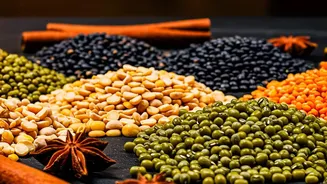
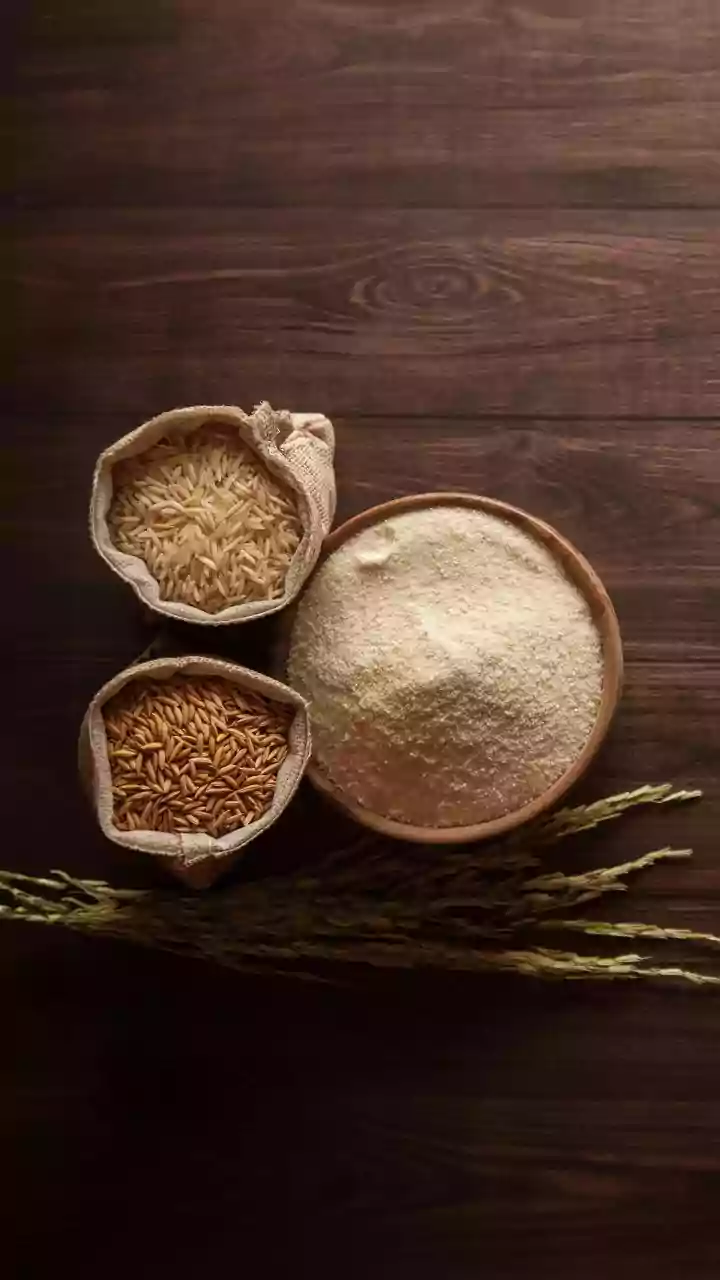
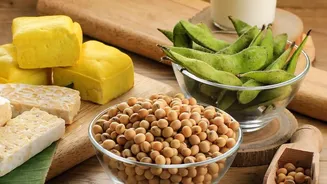
This is where the magic of food combining comes in. Cereal grains—like rice, wheat, and corn—are typically low in one specific essential amino acid: lysine. On the other hand, legumes—such as lentils, beans, and chickpeas—are packed with lysine but tend to be low in another essential amino acid: methionine. When you eat them together, they form a complementary pair. The legumes provide the lysine that the grains are missing, and the grains supply the methionine that the legumes lack. This mutual supplementation creates a meal with a complete amino acid profile, giving your body all the essential building blocks it needs, just as if you had consumed an animal protein.
Timeless Pairings from India and Beyond
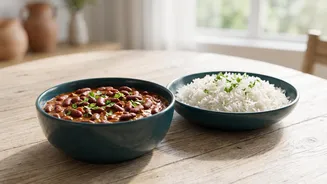
This nutritional wisdom isn't new; it's deeply embedded in traditional cuisines across the globe. In India, the concept is a cornerstone of daily meals. Think of dal-chawal (lentils with rice), rajma-chawal (kidney beans with rice), or roti served with a dal. These aren't just comfort foods; they are nutritionally complete meals. The same principle is seen in other cultures: Mexico's classic rice and beans, the Middle East's hummus (chickpeas) and pita bread, and even the simple American peanut butter sandwich on whole wheat bread. Each of these classic dishes instinctively combines a grain with a legume to create a powerhouse of plant-based protein.
Do They Have to Be in the Same Meal?
For a long time, the advice was to meticulously pair these complementary proteins in every single meal. However, modern nutritional science has offered a more flexible approach. Research has shown that your body maintains a pool of amino acids it can draw from throughout the day. This means that as long as you eat a variety of plant-based protein sources over the course of a day—getting some grains, legumes, nuts, and seeds—your body can piece together a complete protein profile. So, if you have a grain-based breakfast and a legume-based lunch, you are still achieving the same benefit. However, eating them together remains a simple, reliable, and delicious strategy to ensure you're covered.