







Paddles with a Purpose
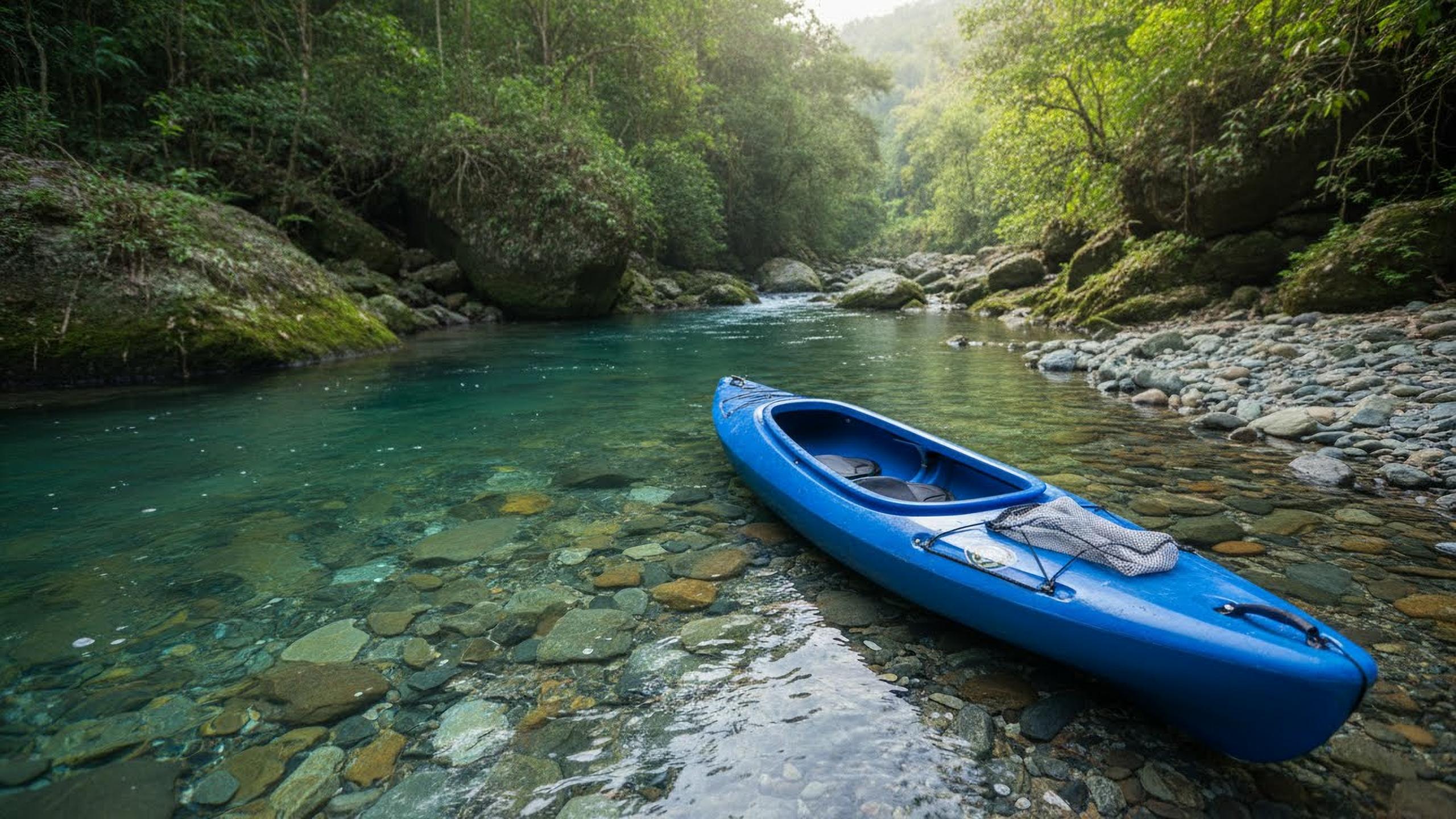
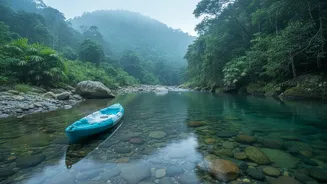
In the serene landscape of Meghalaya, where rivers like the Umngot are famous for water so clear boats seem to float in mid-air, a dedicated movement is taking shape. It doesn’t involve large corporations or government machinery, but rather small groups
of passionate locals and tour operators armed with paddles, kayaks, and a shared mission: to protect their natural heritage. These individuals combine adventure with activism, spending their days navigating the stunning waterways not just for sport, but to physically remove the plastic bottles, wrappers, and other tourist-generated waste that mars the scenery and pollutes the water. This hands-on approach, often organised under local banners and initiatives, represents a grassroots response to a growing environmental problem. By taking direct action, they are becoming the unofficial custodians of these vital ecosystems.
The Lifeline of the Khasi and Jaintia Hills
The rivers of Meghalaya are more than just scenic attractions; they are the backbone of community life for the Khasi and Jaintia tribes. Villages like Shnongpdeng, Dawki, and others downstream depend on this water for nearly everything—drinking, cooking, washing, and fishing. Fishing, a traditional source of income, is still a primary livelihood for many families, especially during the tourism off-season. The rivers are deeply embedded in the cultural and spiritual fabric of the communities that have lived alongside them for centuries. The health of the river is directly linked to the health and economic stability of these villages. When the water is clean, it supports a vibrant ecosystem and provides for the people. When it is polluted, the consequences are felt immediately and profoundly.
The Growing Threat of Pollution
The very beauty that makes Meghalaya a top travel destination is also the source of its greatest environmental challenge. The surge in tourism has brought with it a deluge of plastic waste. Visitors, often unmindful of the fragile ecosystem, leave behind a trail of litter that inevitably finds its way into the rivers. This waste not only degrades the visual beauty but also poses a severe threat to aquatic life and water quality. In recent years, locals have reported alarming changes, with some sections of famously clear rivers turning murky due to pollution and upstream construction debris. This contamination jeopardises the livelihoods of thousands who depend on tourism, from boatmen to homestay owners, and most critically, it compromises the primary water source for villages that have no other alternative.
More Than Just a Clean-Up
The work of these river-cleaning kayakers extends far beyond simply collecting trash. Their visible efforts serve as a powerful form of advocacy. By actively cleaning the rivers, they raise awareness among tourists, local businesses, and the wider community about the importance of responsible waste disposal. Many of these initiatives are described as a combination of adventure, education, and direct action. The goal is to foster a deeper connection to the rivers, transforming the perspective of visitors from passive consumers of scenery to active participants in its preservation. This approach helps build a culture of environmental stewardship, encouraging sustainable tourism practices that can protect Meghalaya’s natural treasures for generations to come, while inspiring a sense of pride and responsibility among all who experience these rivers.
A Ripple Effect of Change
While state-level projects for river rejuvenation are underway, the immediate impact of these community-led kayaking clean-ups is undeniable. They provide a tangible, on-the-ground solution to a pressing problem, complementing broader governmental efforts. This model of community action is not unique to Meghalaya; similar 'kayak for a cause' initiatives have successfully cleaned tons of waste from rivers in other parts of India, such as the Chaliyar River in Kerala. It demonstrates a powerful truth: that local communities, when empowered, can be the most effective guardians of their environment. The kayakers of Meghalaya are not just cleaning a river; they are charting a course for a more sustainable future, proving that a few dedicated individuals in small boats can create waves of positive change.