






A Tale of Five Cities: The Current Numbers
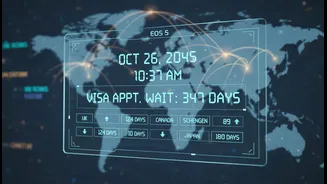
For anyone applying for a first-time B1/B2 visitor visa, the city you apply from can mean the difference between a few months of waiting and the better part of a year. According to the latest data from mid-2026, the disparity is stark. Mumbai and Hyderabad
are experiencing the longest delays, with average wait times for a visitor visa interview stretching to around 9.5 months. New Delhi follows with a wait of approximately 7.5 months. On the other end of the spectrum, Chennai and Kolkata offer comparatively faster appointments. Kolkata currently has the shortest queue, with an average wait of about 4 months, while Chennai's is around 5.5 months. These numbers, published by the U.S. Department of State, highlight a persistent and frustrating reality for prospective travellers.
Why the Sharp Difference in Wait Times?
The variance in wait times isn't arbitrary; it's a result of several overlapping factors. A primary driver is the mismatch between consular staffing and regional demand. Consulates like Mumbai and Hyderabad handle an enormous volume of applications, driven by business travel, tourism, and family visits. While U.S. consular services in India have made significant strides in clearing the massive backlogs that peaked after the pandemic, resources are not spread evenly. Each consulate manages its own appointment schedule based on its capacity. Furthermore, consulates often prioritize different visa categories. For instance, student (F-1) and certain work (H-1B) visas often see much shorter wait times across all cities as these are considered a priority to facilitate education and skilled employment. This means visitor visas, which form a bulk category, often face the longest queues.
The Human Cost of the Waiting Game
Behind the statistics are countless personal stories of delay and uncertainty. The long and unpredictable waits mean that spontaneous or urgent travel is nearly impossible for first-time applicants. Families have been forced to miss significant life events like weddings, graduations, and reunions. For small and medium-sized businesses, the inability to secure timely visas for employees can mean missing out on crucial trade shows, client meetings, or training opportunities in the U.S. The process requires applicants to pay the visa fee before they can even see the available appointment dates, adding a financial gamble to the logistical one. While expedited appointments are available for true emergencies, the bar is high, leaving most to navigate the standard, lengthy process.
Why This Story Matters More Than Ever
In 2026, the context for these delays has shifted. This is no longer just a post-pandemic recovery issue; it's a reflection of the booming demand from a growing Indian middle class and a more globally integrated economy. With more Indians than ever before having the means and motivation to travel to the U.S. for tourism, education, and business, the consular infrastructure is under immense pressure. The U.S. Mission in India has repeatedly stated that reducing wait times for first-time visitor visa applicants is a top priority, and they have processed a record number of visas. Yet, as the numbers show, demand continues to outstrip supply. This issue directly impacts the people-to-people ties that are often cited as the bedrock of the India-U.S. relationship.