





Why We Mist Ferns in the First Place
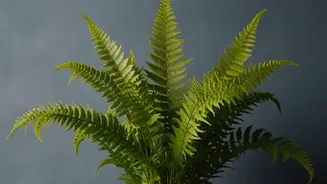
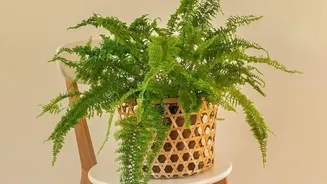
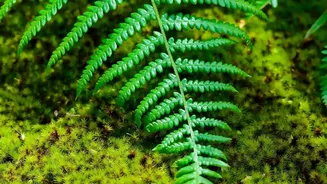
Ferns are beloved for their delicate, airy foliage, but their beauty comes with a specific need: humidity. Most ferns are native to tropical and subtropical forest floors, where the air is consistently moist. Our homes, especially with modern heating
and air conditioning, are often far too dry. This lack of humidity is a primary reason why fern fronds develop crispy, brown tips. Misting is a popular and direct way to temporarily raise the humidity right around the plant, mimicking the moist air of its natural habitat and helping to keep its fronds green and healthy.
Morning: The Golden Hour for Misting
The consensus among horticulture experts is clear: the best time to mist your ferns is in the morning. There’s a simple, scientific reason for this. Morning misting aligns with the plant's natural daily cycle. As the sun rises and temperatures slowly increase, ferns begin their process of transpiration—releasing water vapor from their leaves. A fine morning mist provides a gentle humidity boost just as the plant is becoming most active. This timing also ensures that any water droplets that don't get absorbed have the entire day to evaporate from the foliage, thanks to better light and air circulation. This prevents the leaves from staying wet for prolonged periods.
The Dangers of a Late-Night Spray
While a late-night mist might seem like a good way to hydrate your plant after a long day, it can do more harm than good. When you mist a fern at night, the water sits on the delicate fronds in cool, dark, and often stagnant air. These conditions are the perfect breeding ground for fungal and bacterial diseases. Problems like fungal leaf spot, which appears as brown or black spots on the fronds, thrive in damp environments with poor air circulation. In a worst-case scenario, consistently wet foliage can lead to root rot or other infections that can seriously harm or even kill the plant. By watering or misting in the morning, you give the leaves a chance to dry out completely before evening, significantly reducing the risk of these diseases.
How to Mist the Right Way
Timing is crucial, but so is technique. To mist effectively, use a spray bottle that produces a very fine mist rather than large, heavy droplets. Your goal is to increase the ambient humidity around the plant, not to drench the foliage. Some gardeners even focus on misting the air surrounding the fern and the undersides of the leaves. It's also recommended to use filtered or distilled water if possible, as tap water can sometimes contain minerals that leave white spots on the fronds. Remember that misting is a supplement, not a replacement for proper watering; ferns prefer their soil to be consistently moist but never soggy.
Beyond Misting: More Ways to Boost Humidity
While misting helps, its effects can be temporary. For a more stable, humid environment, consider other methods. Grouping several plants together allows them to create a small, humid microclimate as they collectively transpire. Another popular technique is to use a pebble tray: simply place your pot on a tray filled with pebbles and water, ensuring the bottom of the pot sits on the stones and not in the water itself. As the water evaporates, it provides a steady source of humidity. For the most reliable and effective solution, especially in very dry homes, an electric humidifier is the best investment for keeping your humidity-loving plants happy.