





The End of the Awkward Table
For years, dining alone often meant a compromised experience. You might be offered a wobbly, forgotten table near the kitchen doors or a bustling walkway. This experience could make a guest feel like an afterthought, a problem to be squeezed in rather
than a valued customer. The stigma once associated with eating alone, however, is rapidly fading. In its place is a sense of empowerment and a celebration of self-care. This cultural shift, combined with changing demographics, is prompting a quiet revolution in restaurant design and service that puts the solo diner front and centre. In urban India, for example, a steady rise in young professionals choosing to dine alone is being noticed, prompting hospitality firms to make solo-friendly design a part of their initial planning, not an afterthought.
Designing for the Party of One
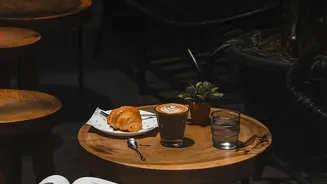
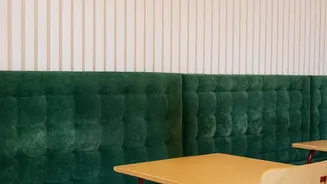
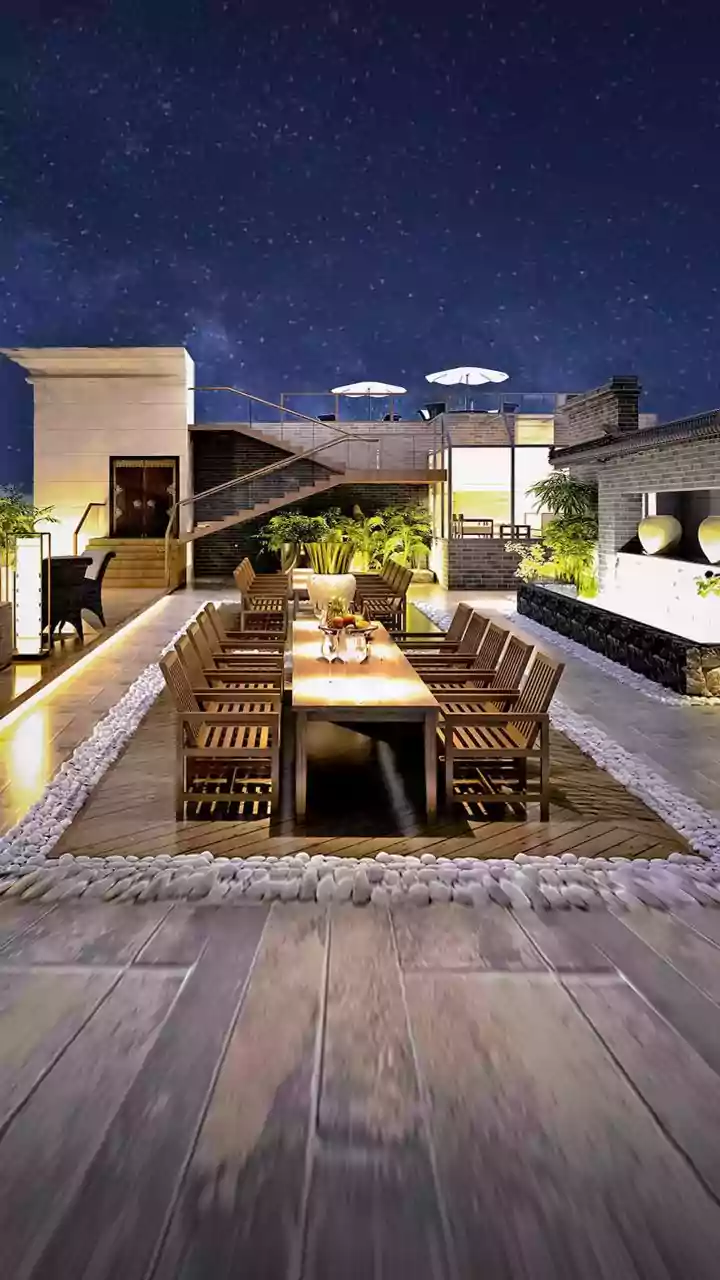
So what does this new solo-friendly design look like? It’s about creating spaces that feel intentional and comfortable. Well-lit and inviting bar seating is a popular choice, offering a casual atmosphere and a chance for light interaction with staff. Another growing trend is counter seating, especially along windows, which gives diners a view and a sense of connection to the outside world without feeling isolated or on display. Some establishments are creating cosy nooks with small two-top tables in quieter corners, perfect for someone wanting to relax with a book. The most significant shift may be the rise of communal tables. These large, shared tables remove the stigma of being alone by creating a sense of community, making it feel natural for an individual to join a larger, buzzing social space.
Why Restaurants Are Embracing Solo Diners
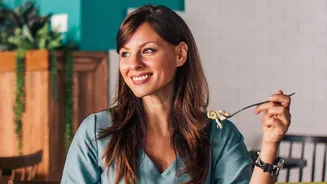
This change isn't just about good hospitality; it’s also a smart business decision. With a growing number of single-person households globally, the market for solo dining is expanding. Savvy restaurateurs recognise that a solo diner is an opportunity. These guests are often more observant, paying closer attention to the food and atmosphere without the distraction of conversation. This can lead to strong word-of-mouth publicity. Furthermore, catering to individuals helps restaurants maximise their space, filling single seats at bars or communal tables that might otherwise remain empty. A happy solo customer is also likely to become a loyal repeat visitor, providing a steady stream of revenue.
The Experience and Economics of Eating Alone
From an economic standpoint, solo diners can be very profitable. They may order multiple courses or linger over a dessert they don't have to share, sometimes resulting in a higher average spend than individuals in a group. Some restaurants are even curating special menus, like smaller tasting menus or prix-fixe options for one, to enhance the experience. This allows a single guest to sample a variety of dishes without committing to large, shareable portions. Beyond the financial benefits, providing a great experience for a solo diner is a testament to a restaurant's core purpose: excellent food and genuine hospitality, enjoyable with or without company.
A More Inclusive Future for Dining
The focus on cosier, more thoughtful seating for single customers signals a broader trend towards more inclusive and flexible dining spaces. Post-pandemic, the idea of solitude has gained a certain prestige, and people are more intentional about carving out 'me-time'. In India, while fine dining establishments are becoming more accommodating, coffee shops and cafes have led the way, creating comfortable environments where solo patrons feel completely natural. This normalisation is spreading across Tier 2 cities as well, showing it's a nationwide shift. By making simple but effective changes to seating and service, restaurants are not just attracting a new customer base; they are creating a more welcoming atmosphere for everyone, proving that a great meal is an experience worth savouring, whether you're with a crowd or simply enjoying your own company.