



An Unspoiled Corner of the Hills
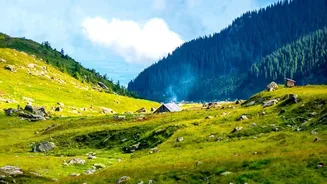
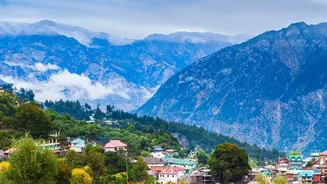
Perched at an altitude of over 8,800 feet, Shoja is a world away from the commercial buzz of mainstream hill stations. Located in the Kullu district, it has largely avoided tourist-centric development, preserving its quiet, rustic charm. The village serves
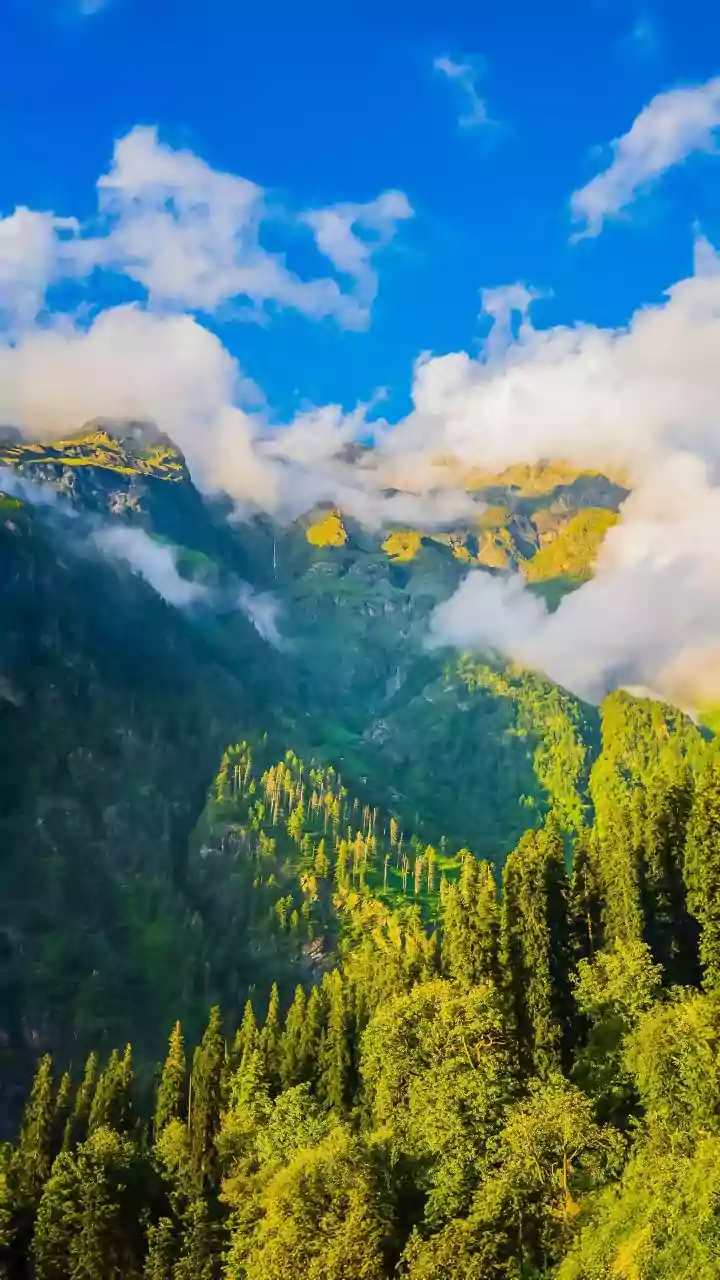
as a gateway to the Great Himalayan National Park, a UNESCO World Heritage Site, and its identity is deeply connected to the surrounding deodar and oak forests. Unlike its bustling neighbours, Shoja offers an experience defined by what it lacks: noisy markets, traffic jams, and large hotel chains. Instead, life here moves at a slower pace, dictated by the rhythm of nature.
A Symphony of Nature and Solitude
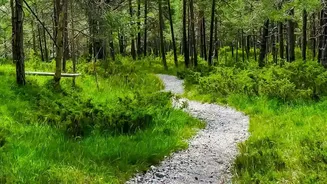
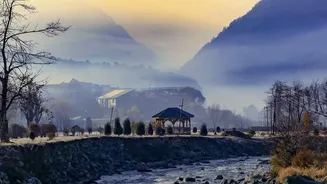
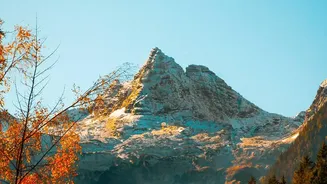
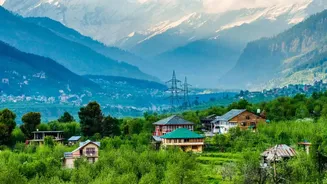
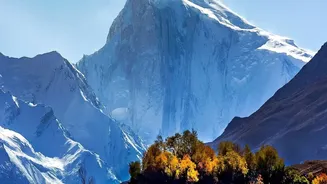
The primary allure of Shoja is its profound tranquility. The air is filled with the scent of pine and the sounds of chirping birds, not car horns. Birdwatchers can delight in spotting rare species like the Himalayan Monal, Himachal's state bird. The landscape is a canvas of sloping green meadows, apple orchards, and panoramic views of snow-dusted Himalayan peaks. Even a simple walk is an immersive experience, with hidden waterfalls and misty trails waiting to be discovered just minutes from the main road. It’s a destination that encourages you to disconnect from digital distractions and reconnect with the natural world.
The Gateway to Gentle Adventures
While relaxation is a key draw, Shoja is also a base for some of Himachal’s most scenic treks. The village is the best starting point for excursions to Jalori Pass, located just 5 kilometres away. From the pass, you can embark on two popular day treks. One trail leads to Serolsar Lake, a serene high-altitude lake surrounded by thick forest. Another trek takes you to the ruins of Raghupur Fort, which offers breathtaking 360-degree views of the surrounding Himalayan ranges. These adventures are not about extreme mountaineering but about enjoying rewarding hikes through pristine landscapes.
Authentic Stays and Local Warmth
Accommodation in Shoja adds to its charm, favouring intimate homestays and cozy guesthouses over large, impersonal resorts. Staying with a local family offers a chance to experience authentic Himachali hospitality and cuisine, with traditional dishes like Siddu often on the menu. These small-scale establishments ensure that the village's peaceful character is maintained, allowing visitors to feel like guests in a community rather than just tourists. This focus on simple, personal lodging is central to Shoja's identity as a quiet retreat.
Planning Your Quiet Escape
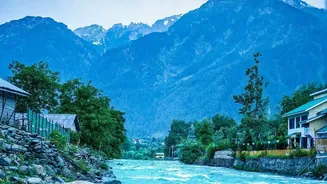
The best time to visit Shoja is from March to June for pleasant weather and blooming flowers, or from September to November for crisp air and clear mountain views. Summer temperatures are mild, making it a perfect escape from the heat of the plains. Winters, from December to February, bring heavy snowfall, transforming the village into a white wonderland, though road access can be challenging. To reach Shoja, the nearest airport is in Bhuntar, about 58 kilometres away, and the closest major railhead is in Chandigarh. From there, a scenic drive through the Tirthan Valley leads you to this hidden paradise.