



Understanding 'Zero Footprint'
The term 'zero footprint' can sound intimidating, but it isn't about achieving a literal impossibility. It's a guiding principle. The goal is to minimise your impact so profoundly that nature—and future visitors—won't see scars from your visit. In a delicate
ecosystem like the Western Ghats, this means being conscious of every choice, from the food you pack to the spot you pitch your tent. It’s not about restriction; it’s about a more mindful and rewarding way of connecting with the outdoors. It means planning to leave no trace, respecting the local culture, and actively contributing to the preservation of Bhandardara's pristine beauty.
Plan Ahead and Prepare
A successful zero-impact trip begins long before you leave home. Research the current conditions at Bhandardara—check the weather, local regulations, and any potential fire bans, especially during dry seasons. Decant your food and toiletries into reusable containers to minimise single-use plastic packaging. This simple step drastically reduces the volume of waste you’ll have to carry back. Pack a 'trash kit' with a few sturdy garbage bags for your own waste and, if you’re feeling extra responsible, for picking up any litter left by others. Informing yourself about the local flora and fauna will also help you appreciate and respect the environment you are about to enter.
The Golden Rule: Pack It In, Pack It Out
This is the most crucial tenet of sustainable camping. Everything you bring with you must leave with you. This includes not just obvious items like plastic wrappers, bottles, and cans, but also food scraps. Things like banana peels and orange rinds may be biodegradable, but they can take months or even years to decompose in a non-native environment, attracting pests and altering the local ecosystem. They are not a natural part of the Sahyadri landscape. Designate one bag for dry waste and another for wet/organic waste. At the end of your trip, carry these bags back with you to the city for proper disposal. Do not rely on finding dustbins in remote areas; assume there will be none.
Campfire and Cooking Wisdom
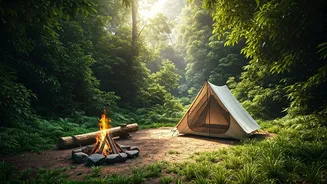
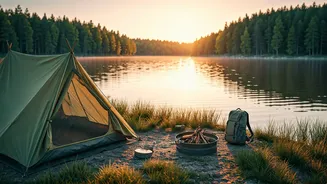
A crackling campfire seems like a camping essential, but it has a significant environmental impact. The demand for firewood leads to deforestation, and improperly managed fires pose a huge risk to the surrounding forests. A better alternative is to use a portable gas stove for cooking. They are efficient, clean, and leave no trace. If a campfire is absolutely necessary and permissible, use an existing fire ring instead of creating a new one. Keep the fire small and manageable. Never cut living trees or branches for wood; use only fallen, dead wood. Before you go to sleep or leave the campsite, ensure the fire is completely extinguished with water until the ashes are cool to the touch.
Respect Water Sources and Wildlife
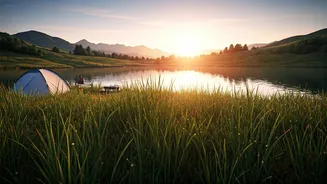
The quiet lake is the heart of Bhandardara. It’s a vital water source for local communities and wildlife. Treat it with respect. All washing—yourself, your clothes, or your dishes—should be done at least 60 metres (or 200 feet) away from the lake or any streams. Use small amounts of biodegradable soap, and scatter the strained wastewater. This prevents pollutants from contaminating the water. As for wildlife, observe from a distance. Never feed wild animals. It disrupts their natural hunting and foraging behaviours, makes them dependent on humans, and can lead to negative encounters. Secure your food and waste to avoid attracting them to your campsite.
Leave What You Find
The beauty of Bhandardara lies in its natural state. Resist the temptation to take souvenirs like unique rocks, wildflowers, or feathers. Leave them for others to enjoy. Every element, no matter how small, plays a role in the ecosystem. Building structures, digging trenches, or altering the campsite in any way is a no-go. The goal is to make it look like you were never there. A good practice is to take a photo of your campsite when you arrive and another when you leave, ensuring they look identical. Let your memories and photographs be the only things you take away from your trip.