



Why Your Cat Needs a Sanctuary
Cats are complex creatures, driven by instincts that reflect their dual role in the wild as both predator and prey. This means that even in the safest of homes, they are hardwired to seek out secure, hidden spots where they can observe their surroundings
without being seen. A dedicated safe space isn't a luxury; it's a crucial resource that allows them to decompress, manage stress, and feel in control of their environment. Chronic stress in cats can manifest in subtle or overt ways, including over-grooming, hiding, aggression towards other pets, or even urinating outside the litter box. A quiet retreat gives them a place to escape perceived threats—whether it's a noisy vacuum cleaner, an unfamiliar guest, or a boisterous dog—and helps prevent these behavioral issues from developing.
Choosing the Perfect Location
The ideal location for a cat's retreat is a quiet, low-traffic area where they won't be constantly disturbed. Think about corners of a room that people don't often walk through, or even a cleared shelf in a sturdy bookcase or closet. Height is a significant advantage for cats, as it gives them a better vantage point to survey their territory and feel safe from ambushes by other pets or small children. A spot near a window can provide valuable mental stimulation as they watch the world go by. The key is to choose a space that your cat can easily access but is out of the main flow of household activity. In a multi-pet household, the most important rule is that this space must be inaccessible to other animals, like dogs. This ensures the cat has total control over the area.
Furnishing the Feline Hideaway
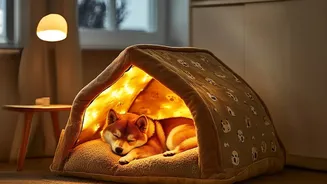
Once you've picked a spot, making it cozy and inviting is the next step. Cats are drawn to small, enclosed spaces that make them feel protected. A simple cardboard box turned on its side, an open pet carrier with soft bedding, or a covered cat bed can all make excellent hideaways. The space should be large enough for them to turn around in but small enough to feel snug. Soft materials like fleece blankets or old jumpers that carry your scent can add a layer of comfort and security. You can also place a scratching post or pad nearby, as scratching is a natural stress-relieving behavior for cats. The goal is to create a personal den that is consistently warm, safe, and predictable.
Setting the Ground Rules
For a safe space to be effective, it must be respected by everyone in the household. Teach children and inform guests that this spot is the cat's private sanctuary and they should never be pulled out of it or disturbed while they are there. This allows the cat to learn that it is a truly reliable place of refuge. The choice to interact must always be the cat's. In a home with multiple cats, it's essential to provide more than one of these retreats. Competition for resources is a major source of stress, so ensuring each cat has its own secure spot can prevent territorial disputes. These resources—including food, water, and litter boxes—should also be separated to reduce potential conflict.
Reading the Signs of Success
A cat that feels secure is often more confident and sociable. When your cat starts using their new retreat, it's a clear sign that they appreciate the effort. You may notice a decrease in stress-related behaviors like excessive hiding or irritability. Instead of constantly being on high alert, a cat with a safe space may feel more comfortable exploring the shared areas of the home, knowing they can withdraw whenever they need to. They might sleep more soundly, engage in play more readily, and interact more positively with you and other pets. This small addition to your home environment can lead to a significant improvement in your cat's quality of life and strengthen the bond you share.