



What Exactly Was Lost?
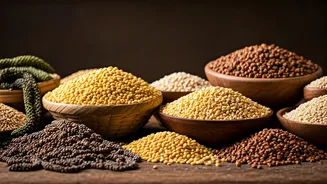
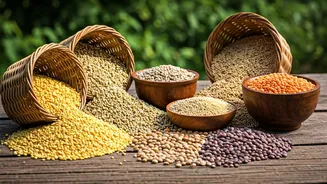
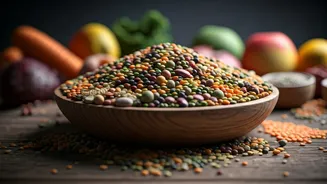
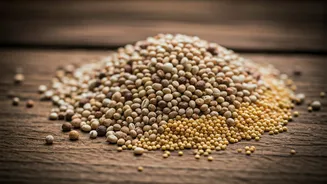
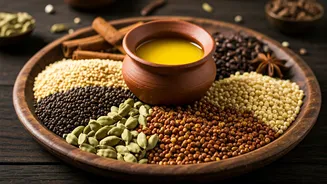
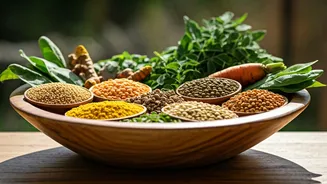
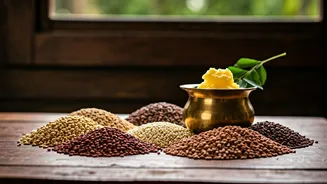
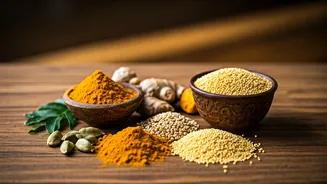
Before the dominance of wheat and polished rice, India’s dietary landscape was a vibrant mosaic of diversity. Our ‘nutrition identity’ was rooted in hyperlocal, seasonal eating. It was an era of countless varieties of millets like ragi, jowar, and bajra,
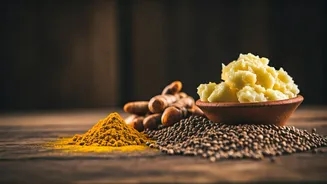
unpolished rice, indigenous greens, and a deep understanding of food as medicine, guided by Ayurvedic principles. Ghee wasn't a villain; it was a vehicle for nutrients. Spices weren't just for flavour; they were for function. This system was inherently sustainable, celebrating the food that grew naturally in a specific region during a specific season. It was a diet that respected biodiversity and the body's natural rhythms, a far cry from the monoculture that would later define our plates.
The Great Dietary Shift
So, where did it go wrong? The erosion was gradual but decisive. Colonial rule often stigmatised local foods as ‘coarse’ or ‘poor man’s food,’ elevating refined products. Post-independence, the Green Revolution, while critical for averting famine, heavily prioritized high-yield wheat and rice. This pushed diverse, nutrient-dense millets to the agricultural and culinary fringes. Simultaneously, rapid urbanisation and a rising middle class embraced the convenience of processed foods. White bread, instant noodles, and sugary cereals became symbols of modernity. Our ancestral nutrition identity wasn't just forgotten; it was actively replaced by a diet that was often less nutritious, less sustainable, and disconnected from our own land.
The Science-Backed Comeback
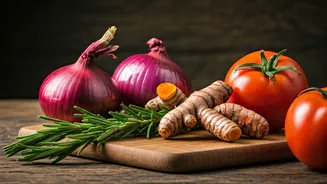
The return journey is being paved by a powerful ally: modern science. What was once dismissed as grandma’s wisdom is now being validated in laboratories. Studies now confirm the anti-inflammatory power of turmeric’s curcumin. Ghee is being rehabilitated as a source of healthy fats and fat-soluble vitamins. Millets are globally recognised as ‘nutri-cereals’—gluten-free, high in protein and fibre, with a low glycemic index, making them ideal for managing lifestyle diseases like diabetes. The UN’s declaration of 2023 as the International Year of Millets, spearheaded by India, provided a global stage for these forgotten grains. This scientific validation has given a new generation the confidence to embrace what their ancestors knew all along.
More Than Just a Health Trend
This revival is about much more than personal wellness. It’s a movement with profound economic and environmental implications. Millets are a farmer’s best friend in an era of climate change. They are hardy, drought-resistant crops that require significantly less water than rice and wheat, and can grow in poor soil without heavy chemical inputs. Reviving their cultivation provides a resilient livelihood for small and marginal farmers, strengthening rural economies. By creating a domestic market for these grains, we reduce our over-reliance on a few staple crops, enhancing India’s food security. This return to our roots is, therefore, a powerful step towards a more sustainable and equitable agricultural future.
The Modern Indian Plate
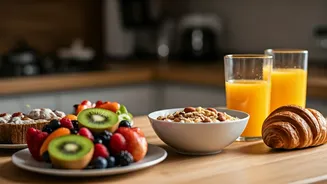
This comeback isn't about a rigid, nostalgic rejection of everything modern. Instead, it’s a creative fusion. Urban cafes now serve ragi pancakes and jowar tacos. Home cooks are experimenting with millet-based pastas and quinoa-style bajra salads. Chefs and food entrepreneurs are making traditional ingredients accessible and appealing to a new generation. It’s about integrating the old into the new—keeping the wisdom but updating the form. The new Indian nutritional identity is flexible, intelligent, and proud. It acknowledges that the most innovative thing we can do is often to remember, respect, and intelligently re-apply the knowledge we already possess.