

An Interactive Map in Your Pocket
The biggest challenge for any aspiring astronomer is simply identifying what’s up there. Ancient mariners had complex charts, but beginners today have something far more intuitive. Modern skywatching apps use your phone's built-in GPS, compass, and gyroscope
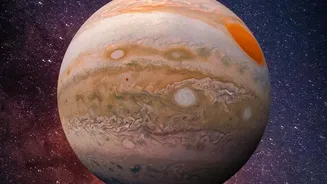
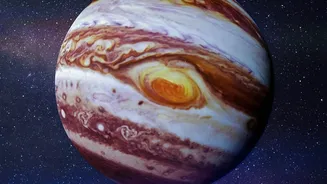
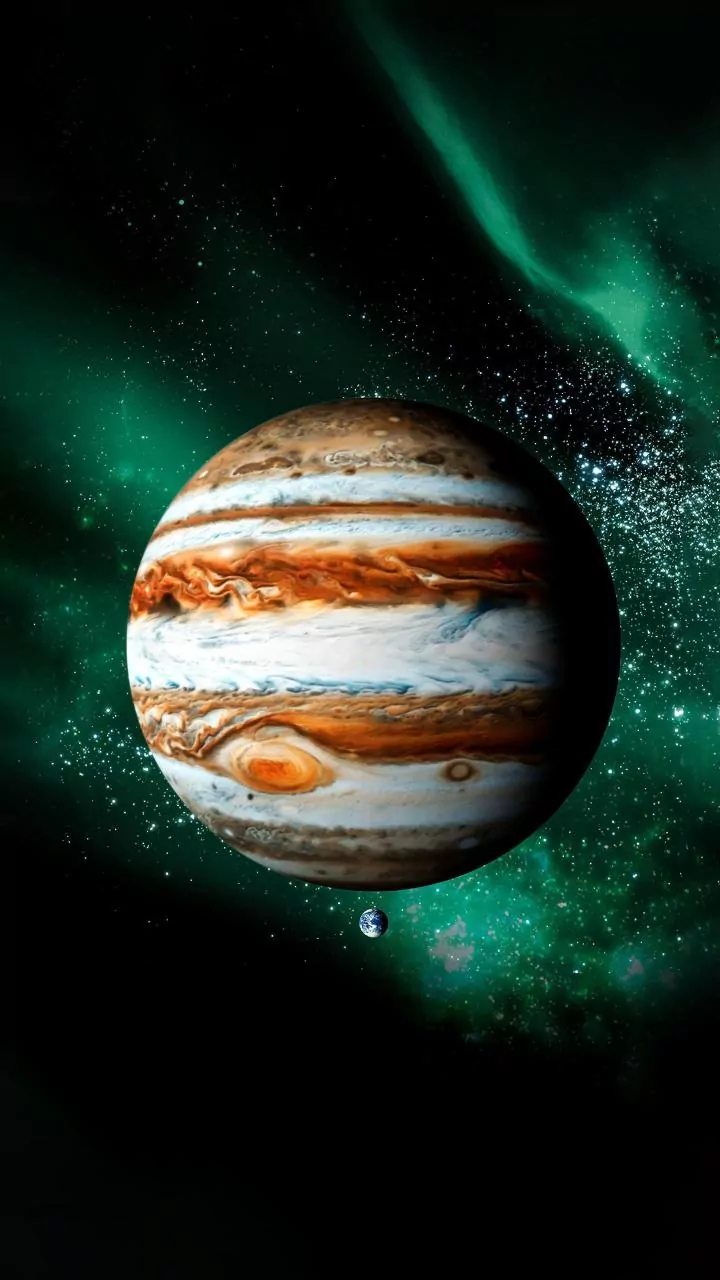
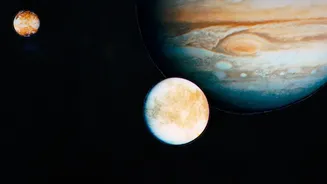
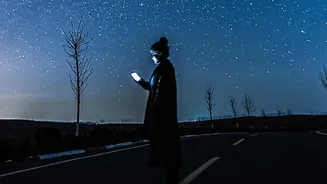
to know exactly where you are and which direction you're pointing. Simply hold your phone up to the sky, and the app displays a real-time, labelled map of the celestial objects in your view. Suddenly, that bright dot is identified as Jupiter, and that cluster of stars is revealed as the Pleiades. This augmented reality (AR) feature removes the guesswork, allowing you to connect with the night sky instantly. Apps like Stellarium Mobile and SkyView Lite excel at this core function, turning a confusing canvas of lights into a navigable landscape.
Your Personal Guide to the Stars
Once you’ve identified a star or planet, your curiosity is just getting started. Skywatching apps act as a pocket encyclopaedia for the cosmos. Tapping on any object on the screen can bring up a wealth of information. You can learn about a star's distance from Earth, its size, and its temperature. For constellations, many apps provide the mythology and stories from different cultures associated with them, bringing the patterns to life. This educational layer transforms simple identification into a deeper learning experience. Apps like Star Walk 2 and SkySafari are packed with detailed content, offering facts and history that enrich your understanding of every object you find. This feature makes every stargazing session a lesson in both science and culture.
Travel Through Time and Space
The night sky is not a static picture; it's a dynamic, ever-changing environment. One of the most powerful features of many astronomy apps is the ability to travel through time. With a few taps, you can fast-forward to see how the sky will look in a few hours, or even on a date months into the future. This is incredibly useful for planning. Want to know when a specific constellation will be in the perfect spot for viewing? The app can show you. You can also rewind time to see what the sky looked like on a historical date. This function helps beginners grasp the predictable, clockwork motion of the stars and planets, a fundamental concept in astronomy that can be difficult to visualise otherwise.
Never Miss a Celestial Event
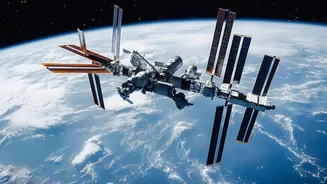
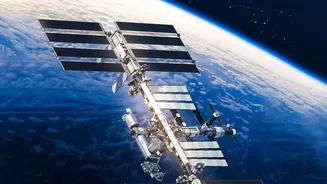
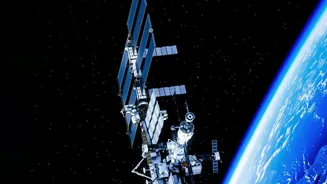
Some of the most exciting moments in stargazing are fleeting events like meteor showers, eclipses, or a visible pass of the International Space Station (ISS). Without a guide, it’s easy to miss them entirely. Skywatching apps solve this by including built-in calendars and notification systems for celestial events. You can set reminders for the peak of the Perseid meteor shower or get an alert when the ISS is about to fly over your location. This proactive feature ensures you’re always in the know, allowing you to plan ahead and witness some of the sky's most spectacular shows. It transforms you from a passive observer into an active participant, ready to catch those special moments.
Making the Most of Any Location
Many would-be stargazers in urban or suburban areas feel discouraged by light pollution. While apps can't make city lights disappear, they can help you work around them. Some apps have features that help you understand the viewing conditions for your specific location, including light pollution levels. More importantly, by showing you exactly where to look for the brightest objects—like planets and prominent stars—they help you focus on what is visible even with a brighter background. Furthermore, for those planning a trip to a dark-sky location, apps like PhotoPills are invaluable for astrophotography planning, showing you exactly where the Milky Way will be for that perfect shot. Many apps also include a red-light mode, which preserves your night vision while you consult your phone.