





As Diwali approaches, the joy of the festival of lights is often clouded by a sharp decline in air quality. This guide will help you use official government tools to monitor air pollution forecasts, empowering you to make safer choices.
Why Air Quality Worsens During Diwali
Diwali is a time
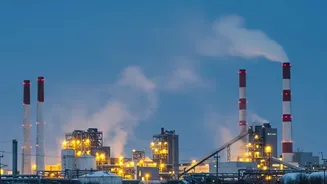
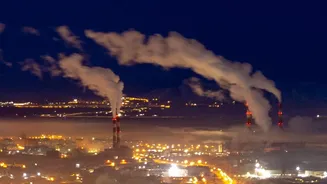
for celebration, but the accompanying activities often lead to a significant spike in air pollution. The widespread use of firecrackers releases a dangerous mix of harmful pollutants, including fine particulate matter (PM2.5 and PM10), sulphur dioxide, and nitrogen oxides. These emissions, combined with increased traffic, industrial activity, and specific weather patterns like cooler temperatures and lower wind speeds, trap pollutants close to the ground, creating a thick blanket of smog. This poor air quality poses serious health risks, particularly for children, the elderly, and individuals with pre-existing respiratory conditions like asthma or COPD. Exposure can lead to coughing, eye and throat irritation, breathing difficulties, and can worsen chronic health issues.
Official Tools for Air Quality Monitoring
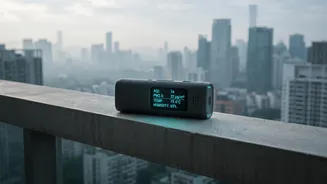
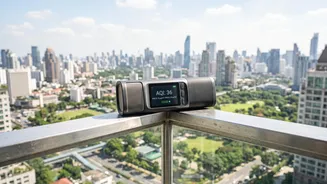
To stay informed, it is crucial to rely on official, real-time data. The Indian government provides several reliable platforms for the public to monitor air quality. The two primary resources are the SAMEER app and the SAFAR portal. The SAMEER app, developed by the Central Pollution Control Board (CPCB), provides hourly updates to the National Air Quality Index (AQI) for hundreds of cities across the country. The System of Air Quality and Weather Forecasting And Research (SAFAR), an initiative by the Ministry of Earth Sciences, provides location-specific air quality information and forecasts up to 72 hours in advance for major metropolitan areas like Delhi, Mumbai, Pune, and Ahmedabad. Both platforms are designed to be user-friendly, presenting complex data in an easy-to-understand, colour-coded format.
How to Understand the Air Quality Index (AQI)
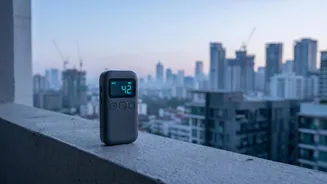
The National Air Quality Index (AQI) simplifies complex pollution data into a single number, a category, and a colour, making it easy to assess health risks. The index runs on a scale from 0 to 500 and is divided into six categories. Good (0-50, Green): Minimal health impact. Satisfactory (51-100, Light Green): May cause minor breathing discomfort to very sensitive people. Moderate (101-200, Yellow): Can lead to breathing discomfort for people with lung conditions like asthma, and heart disease. Poor (201-300, Orange): May cause breathing discomfort to most people upon prolonged exposure. Very Poor (301-400, Red): Can result in respiratory illness after prolonged exposure. Severe (401-500+, Maroon): Affects even healthy people and seriously impacts those with existing diseases. By checking the AQI, you can quickly understand the air quality in your area and the associated health advisories.
Using Forecasts to Plan a Safer Diwali
Air quality forecasts are a powerful tool for planning your festive activities. The 1‑to‑3‑day advance forecasts provided by systems like SAFAR allow you to make informed decisions to protect your family's health. For example, if 'Severe' air quality is predicted for the evening, you might decide to limit the time children and elderly family members spend outdoors. You could plan to burst any 'green crackers' during a time of day when pollution levels are forecasted to be lower. These forecasts can also help you decide when it is essential to use protective measures, such as running air purifiers indoors or wearing N95 masks if you must go outside. By checking the forecast daily in the lead‑up to Diwali, you can proactively adjust your plans rather than reacting to poor air quality after it has already occurred. This simple habit can significantly reduce your family's exposure to harmful pollutants during the most critical days.
Simple Steps for Extra Protection
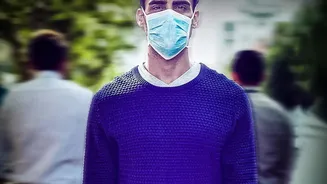
Beyond monitoring forecasts, several practical steps can help mitigate the health impacts of pollution during the festive season. Try to keep doors and windows closed, especially during the late night and early morning hours when pollution levels are often at their highest. Using a high‑efficiency particulate air (HEPA) filter or a dedicated air purifier indoors can dramatically reduce the concentration of harmful PM2.5 particles. If you need to go outdoors during periods of high pollution, wearing a well‑fitting N95 mask can provide effective protection against inhaling fine particulate matter. Staying well‑hydrated is also important. These measures, combined with awareness of the daily AQI, can contribute to a safer and healthier festive environment for everyone.