






More Than Just a Reheating Box
Let’s be honest: most of us underestimate our microwaves. We see them as a tool of convenience for leftovers, not a creative culinary appliance. But the same technology that warms up yesterday’s biryani—using microwaves to excite water molecules and generate
heat—can also cook a cake batter from raw to ready in under five minutes. The process is closer to steaming than baking, which results in an incredibly moist, light, and spongy texture. It’s not a replacement for the rich, crispy-edged brownie from a traditional oven, but it’s a different, wonderfully satisfying experience. It’s the dessert you can have right now, with minimal prep and almost no cleanup. This isn't about professional pastry; it's about smart, fast, and delicious solutions for modern life.
Tips for Microwave Success
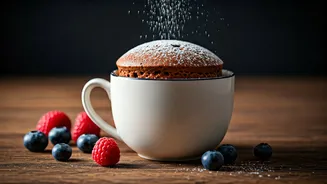
Before you grab your mug, there are a few golden rules to ensure your dessert comes out fluffy and delicious, not rubbery and sad. First, choose the right vessel. A standard ceramic coffee mug is perfect. Avoid anything with metallic paint or trim. Second, don't overfill! Fill your mug no more than halfway, as the batter will rise significantly and can create a sticky overflow. Third, know your wattage. Microwaves vary in power, so a recipe that calls for 90 seconds might only need 70 in your machine. It’s always better to undercook and add 10-second increments than to overcook. Finally, let it rest. A minute of standing time after cooking allows the dessert to finish setting and makes it even better.
The 2-Minute Chocolate Lava Mug Cake
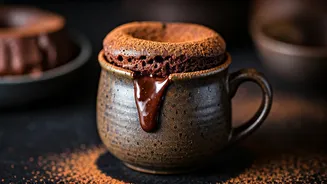
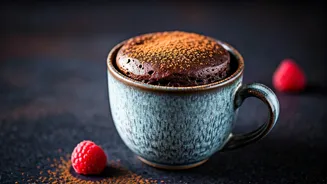
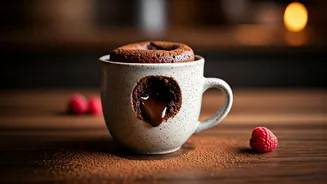
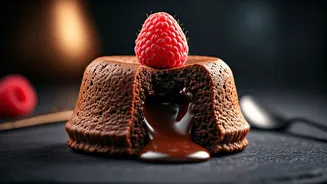
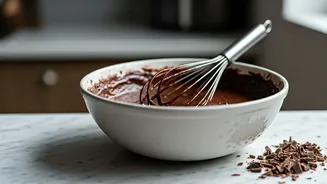
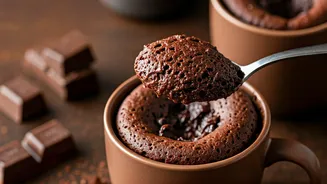
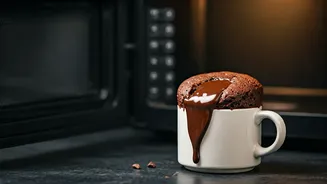
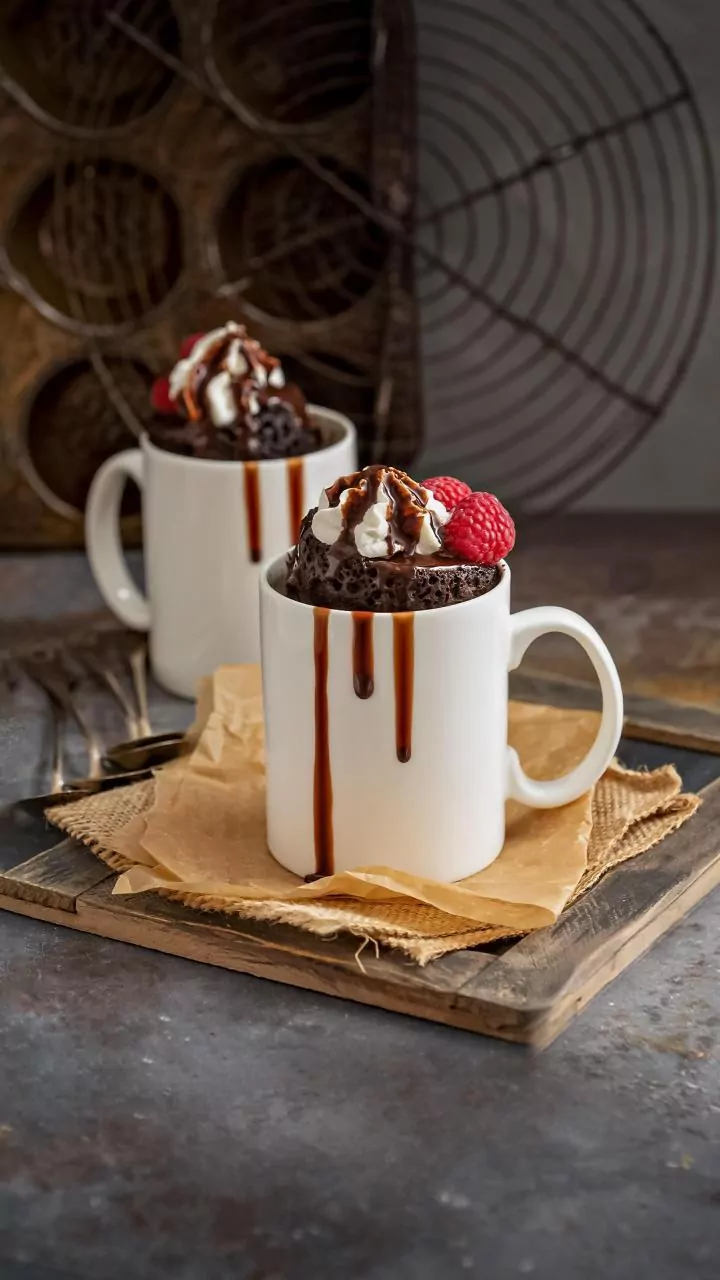
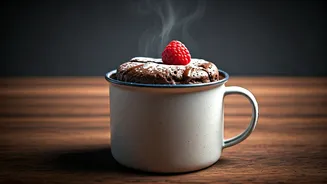
Ready to test the theory? Here’s a classic that never fails. In a mug, mix together 4 tablespoons of maida (all-purpose flour), 4 tablespoons of sugar, 2 tablespoons of cocoa powder, and a pinch of salt. To this, add 3 tablespoons of milk, 3 tablespoons of any neutral oil (like sunflower), and a few drops of vanilla essence. Whisk everything with a fork right in the mug until you have a smooth batter. Now for the 'lava': drop a single square of dark chocolate into the centre of the batter and push it down slightly. Microwave on high for 70 to 90 seconds. The surface should look set, but the inside will be gooey. Let it cool for a minute before digging in. You’ve just made a decadent dessert in the time it takes to boil water for tea.
Beyond the Mug Cake
Your microwave’s dessert prowess doesn’t end with mug cakes. You can make quick brownies in a small, microwave-safe glass dish—just find a recipe that uses oil instead of butter for a moister result. Another surprising hero is a quick caramel custard or flan. By gently cooking a mixture of egg, milk, and sugar in the microwave, you can create a silky-smooth dessert that would otherwise require a water bath and an hour in the oven. You can even make fruit crumbles by tossing chopped apples or berries with a bit of sugar and spice, topping with a mixture of oats, flour, and butter, and microwaving until the fruit is tender and the topping is cooked. The key is to find recipes specifically designed for the microwave, as they are formulated to work with its unique cooking method.
Avoiding Common Pitfalls
The most common microwave dessert mistake is overcooking. A cake that’s cooked for even 15 seconds too long can turn from tender to tough and rubbery. Always err on the side of caution. If your cake overflows, you’ve overfilled the mug or forgotten a leavening agent like baking powder, causing it to rise too aggressively. If the texture seems dense or dry, you may have over-mixed the batter. When making mug cakes, mix only until the ingredients are just combined. A few lumps are perfectly fine. By understanding these simple troubleshooting tips, you can ensure consistently great results and build the confidence to experiment with your own creations.