





Why Breathing Is a Game-Changer
Unlike land-based sports where you can breathe on demand, swimming requires a coordinated rhythm between movement and respiration. Mastering breath control is essential for supplying your muscles with oxygen, which allows them to work efficiently and stave
off fatigue. When breathing is erratic, your whole stroke can fall apart. You might feel breathless after just a couple of laps, not because you're out of shape, but because your breathing mechanics are inefficient. Proper technique ensures you get the air you need without disrupting your body's streamlined position, leading to better endurance, reduced anxiety, and a more relaxed state in the water.
Common Breathing Mistakes to Avoid
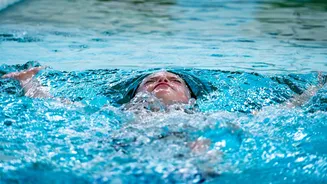
Many swimmers, from novices to regulars, fall into the same traps. The most common error is holding your breath underwater. This creates a build-up of carbon dioxide, leading to a desperate, panicked gasp for air when you finally surface. Another frequent mistake is lifting the head to breathe instead of rotating it to the side with your body. Lifting your head causes your hips and legs to drop, increasing drag and making you work much harder. Other issues include not exhaling fully underwater, which leaves no room for a fresh inhale, and breathing too forcefully, which creates tension instead of relaxation.
The Power of Bilateral Breathing
Bilateral breathing, or breathing to both sides (typically every three strokes), is a technique celebrated by coaches for creating a more balanced and symmetrical freestyle stroke. When you only breathe to one side, you can develop muscular imbalances and a lopsided stroke, where you rotate well to your breathing side but under-rotate on the other. This asymmetry can cause you to 'snake' through the water and can even lead to shoulder strain. Practicing bilateral breathing forces you to develop equal rotation on both sides, which improves your body roll, helps you swim in a straighter line, and gives you the flexibility to breathe away from waves or see competitors in open water.
Essential Drills for Practice
Improving your breathing requires dedicated drills that isolate the skill. Start simply by standing in chest-deep water and practicing your exhale rhythm: face in the water, blow a steady stream of bubbles, then rotate your head to take a calm breath. Another effective drill is the side kicking drill. Use a kickboard and practice kicking on your side, with one arm extended, rotating your head to breathe without losing balance. This reinforces a good body position. You can also incorporate 'hypoxic sets' into your training, where you intentionally reduce your breathing frequency, such as breathing every three, five, or seven strokes, to build better breath control and lung capacity.
Integrating Breath Into Your Rhythm
Ultimately, the goal is for your breathing to become an effortless part of your stroke's rhythm. The principle is simple: exhale continuously whenever your face is in the water and take a quick, calm inhale as you rotate to the side. A complete exhale is crucial; you should aim to empty your lungs just before your mouth clears the water so you are ready for a fresh intake of air. This rhythmic pattern not only supplies your body with the oxygen it needs but also has a meditative quality, helping to keep your mind focused and calm, which can reduce overall anxiety in the water.