
The Red Planet’s Dusty Peril
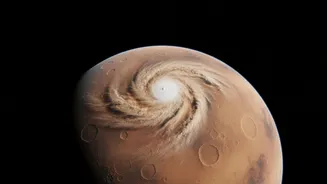
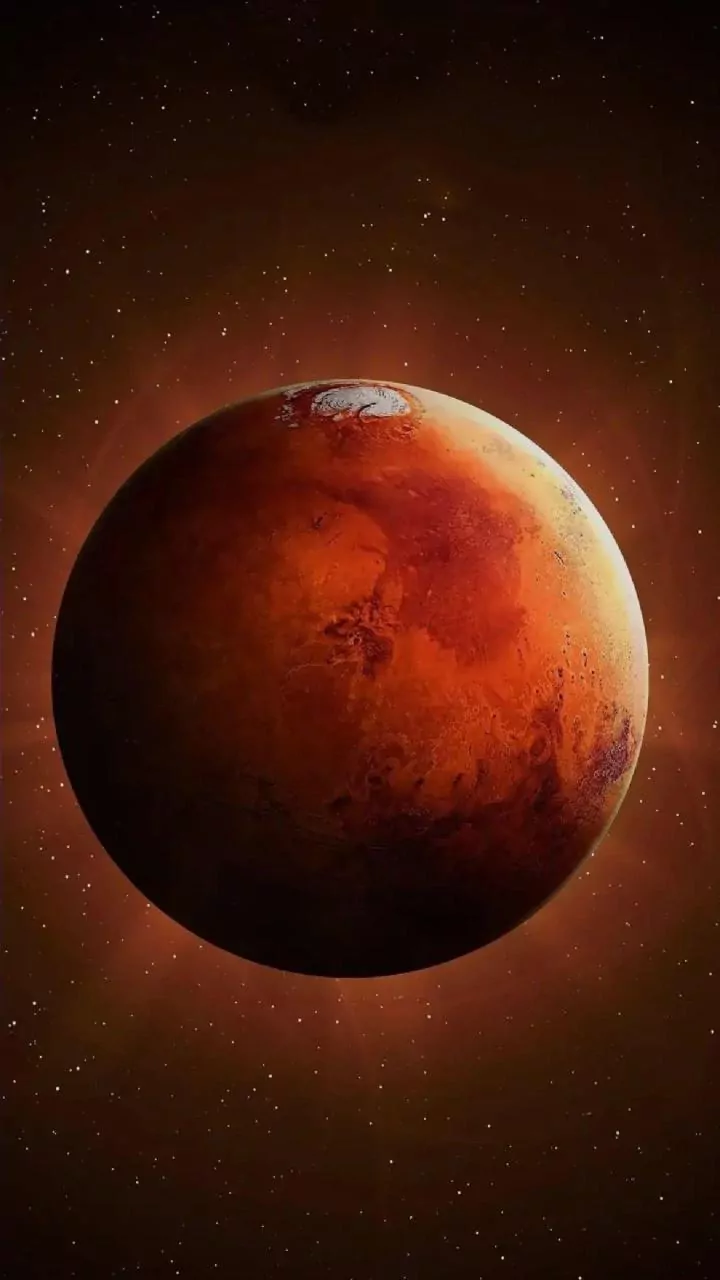
On Mars, the greatest danger isn't monstrous aliens, but something far more mundane: dust. Martian dust storms range from small, localized squalls to planet-encircling events that can last for weeks. These aren't the high-force winds depicted in fiction;
the thin Martian atmosphere means even a 60-mile-per-hour gust feels like a gentle breeze. The real threat is the dust itself. The fine, abrasive particles are electrostatically charged, causing them to cling to every surface. They can get into sensitive gears, scratch camera lenses, and, most critically, coat solar panels. For solar-powered craft like the InSight lander or the famously lost Opportunity rover, a dust storm that blocks out the sun is a death sentence. Without sunlight, they cannot recharge their batteries to run heaters, and they can freeze in the cold Martian night. This is why predicting these storms is one of the most critical tasks for mission survival.
A Weather Watcher in the Sky
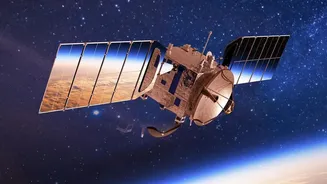
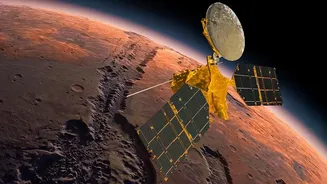
The first line of defense is a fleet of orbiters that act as Martian weather satellites. Chief among them is NASA's Mars Reconnaissance Orbiter (MRO), which has been circling the planet since 2006. MRO is equipped with a suite of powerful scientific instruments, but two camera systems are crucial for storm tracking. The Mars Color Imager (MARCI) provides a daily global weather map, capturing wide-angle views of the entire planet. This allows scientists on Earth to spot the first signs of a growing dust storm, watching as small dust-raising events begin to merge and expand. These daily reports are the foundation of Martian weather forecasting, giving teams a heads-up that trouble might be brewing on a continental scale.
Zeroing In with HiRISE
Once MARCI flags a potential threat, NASA can deploy its heavy-hitter: the High Resolution Imaging Science Experiment, or HiRISE camera. Also aboard the MRO, HiRISE is the most powerful telescopic camera ever sent to another planet. While MARCI provides the wide, weather-channel view, HiRISE can zoom in to see objects on the surface as small as a kitchen table. Scientists can direct HiRISE to take incredibly detailed images of a developing storm front, analyzing the structure of the dust clouds and how they are moving across the terrain. This allows them to create more accurate models of the storm's path and intensity, determining if it poses a direct threat to a rover's location. This combination of wide-context and high-resolution follow-up is essential for making informed decisions.
The Call from Earth
The system is not automated. There's no direct link from the orbiter's camera to the rover that automatically triggers a shutdown. Instead, the process involves a dedicated team of scientists and engineers back on Earth. They analyze the data from MARCI, HiRISE, and other instruments like the Mars Climate Sounder, which measures atmospheric temperatures to help predict a storm's spread. Based on this expert analysis, the team decides if a rover is in danger. If the risk is high—particularly for solar-powered assets—they will make the call to send new commands across hundreds of millions of miles of space, telling the rover to prepare for the incoming storm.
Battening Down the Hatches
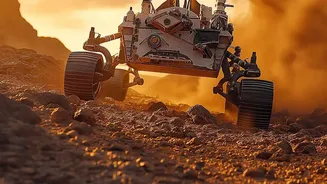
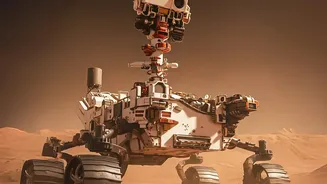
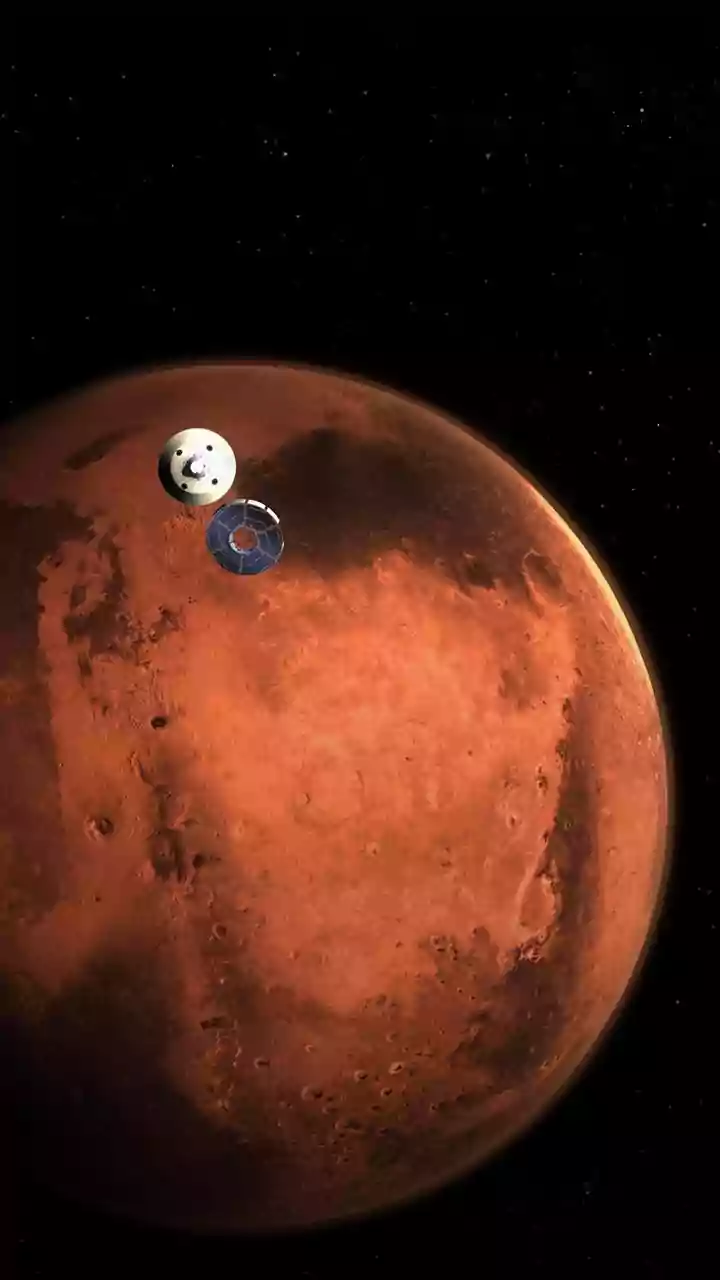
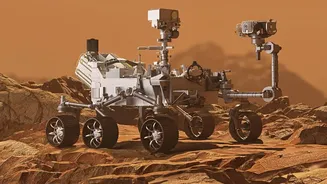
When the command comes, the rover enters what is known as "safe mode." This is a state of minimum functionality designed to conserve energy and protect the hardware. The rover will cease all non-essential scientific operations, stop driving, and park in a safe location if possible. It will often orient itself to protect sensitive instruments and point its main camera down to shield the lens. For a solar-powered vehicle like the InSight lander was, the primary goal is to use as little power as possible, keeping only the mission clock and essential heaters running to survive the cold until the sky clears. Nuclear-powered rovers like Curiosity and Perseverance are far less vulnerable as they don't rely on sunlight for power. However, even they will typically suspend operations during a major storm to reduce wear on mechanical parts and wait for visibility to improve.