





The Monsoon-Microbe Connection
July marks the peak of monsoon season in many parts of India, bringing with it high humidity, dampness, and relief from the summer heat. Unfortunately, these exact conditions create a perfect breeding ground for bacteria, fungi, and other pathogens. The
increased moisture in the air allows microbes on the surface of fresh produce to multiply rapidly. Furthermore, rainwater can contaminate soil and water sources used for irrigation, leading to a higher load of germs on vegetables, especially leafy greens, before they even reach the market. This makes raw vegetables, which are not subjected to heat, a primary vehicle for foodborne illnesses during this season.
Why Raw Is Risky
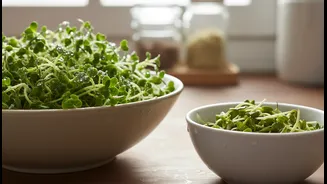
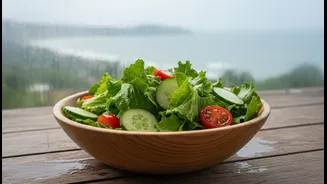
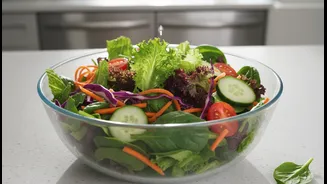
Consuming raw vegetables like lettuce, spinach, cucumber, and tomatoes during the monsoon significantly increases the risk of stomach infections, food poisoning, and other waterborne diseases like gastroenteritis, cholera, and typhoid. Even with thorough washing, the complex folds and surfaces of leafy greens can harbour dirt, germs, and even tiny worms that are difficult to remove completely. Parasites like Cyclospora can also be present on fresh produce and are not reliably removed by washing alone. Since your digestive system can also be naturally slower during this season, it becomes more susceptible to these microbial threats. Health experts consistently advise limiting or avoiding raw salads during the rainy months to stay safe.
The Sauté Solution
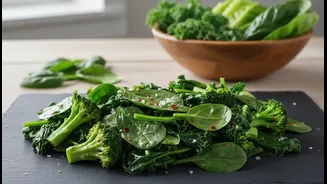
This doesn't mean you have to give up on your favourite vegetables. The solution is simple: cook them. Sautéing, which is quick-frying in a pan with a small amount of oil, is an excellent method. The heat effectively kills harmful bacteria and parasites, making the vegetables safe to eat. Beyond safety, sautéing can actually make some nutrients more accessible to your body. Cooking breaks down tough cell walls, making vegetables easier to digest. The addition of a healthy fat like olive oil can also increase the absorption of fat-soluble vitamins such as A, E, and K found in many vegetables.
Warm Sautéed Salad Ideas
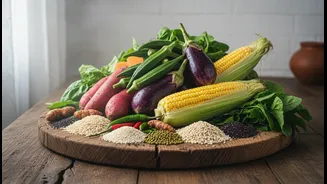
Instead of a cold, raw salad, try a warm, flavourful sautéed version. The possibilities are endless, but here are a few simple combinations to get you started: Garlicky Zucchini and Corn: Sauté chopped zucchini and fresh corn kernels with minced garlic in a little olive oil until tender-crisp. Finish with a sprinkle of black pepper and fresh herbs. Spiced Carrots and Bell Peppers: Thinly slice carrots and bell peppers of various colours. Sauté them with a pinch of cumin and turmeric for a warm, earthy flavour. This makes for a vibrant and nutritious side dish. * Wilted Spinach and Onion: Briefly sauté sliced onions until they soften, then add a large handful of spinach and cook just until it wilts. A squeeze of lemon at the end brightens the flavours.
Tips for Perfect Sautéing
To ensure your sautéed vegetables are both delicious and safe, follow a few key principles. First, always wash your vegetables thoroughly under clean, running water before chopping. Pat them dry to reduce moisture, which helps them sear rather than steam. Heat your pan over medium-high heat before adding a small amount of oil. Don't overcrowd the pan; cook in batches if necessary. This allows the vegetables to get a nice, light browning rather than becoming soggy. Cook until they are tender but still have a slight crunch to retain most of their texture and nutrients. You can then toss them with a light vinaigrette and serve warm.