






An Incident Over the Desert
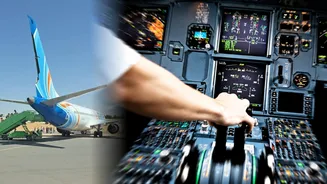
On September 30, 2026, a Flydubai flight from Dubai to Tel Aviv was forced into a dramatic emergency landing in Saudi Arabia. Reports emerged of a violent altercation in the cockpit, with the co-pilot allegedly attacking the captain and attempting to crash
the aircraft. According to flight data, the Boeing 737 descended rapidly, dropping thousands of feet in minutes, which triggered a hijacking alert and the scrambling of Israeli warplanes. Passengers and crew, including off-duty pilots traveling on the flight, heroically intervened to subdue the attacker, allowing the plane to land safely in Tabuk. While the investigation into the attacker's motive is ongoing, the incident serves as a stark reminder of the unpredictable nature of inflight emergencies and the critical importance of crew response.
The First Rule: Aviate, Navigate, Communicate
In any emergency, pilots are drilled to follow a simple but critical mantra: Aviate, Navigate, Communicate. 'Aviate' means maintaining control of the aircraft above all else. This involves stabilizing the plane, managing airspeed, and ensuring it remains in a safe flight attitude. Only once the aircraft is under control do pilots move to 'Navigate'—figuring out where they are and where they need to go, whether that’s returning to the departure airport or diverting to the nearest suitable one. 'Communicate' is the final step: informing air traffic control and the cabin of the situation. This strict hierarchy ensures that the primary task of flying the plane safely is never compromised by secondary tasks, even vital ones like talking on the radio.
Training for the Unthinkable
Pilots don't learn how to handle emergencies on the job; they prepare for them relentlessly on the ground. Modern pilot training involves countless hours in highly realistic full-flight simulators. These sessions are designed to be grueling, throwing a constant stream of malfunctions and crises at the crew, from engine fires and electrical failures to sudden cabin depressurization. Instructors can program almost any conceivable scenario, allowing pilots to build muscle memory and practice checklists until the response is second nature. This repetitive, hands-on training ensures that when a real emergency strikes, the crew doesn't freeze but instead falls back on their extensive preparation.
The Human Factor
Beyond technical skill, aviation has spent decades focusing on the 'human factor'. A key component of this is Crew Resource Management (CRM). Introduced in the late 1970s, CRM is a set of training procedures designed to improve teamwork, communication, and decision-making in the cockpit. It moved aviation culture away from a rigid hierarchy where a captain’s decision was never questioned, to a more collaborative environment where co-pilots and even cabin crew are encouraged to speak up if they see something wrong. CRM acknowledges that human error is inevitable and builds systems to trap those errors before they become catastrophic. This includes managing fatigue, stress, and even insidious dangers like spatial disorientation—a condition where a pilot's senses trick them into thinking the aircraft is in a different position than it actually is.
Lessons from the Past
The industry's focus on emergency procedures is often shaped by tragedy. The 2016 crash of Flydubai Flight 981 in Rostov-on-Don, Russia, was a painful lesson in the dangers of pilot fatigue and spatial disorientation. During a difficult second landing attempt in bad weather, the pilots became disoriented, leading to a fatal dive that killed all 62 people on board. The subsequent investigation highlighted psychological pressures and confusion over the correct 'go-around' procedure. In response, Flydubai and other airlines enhanced training for spatial disorientation and go-around scenarios, demonstrating how every incident, no matter how tragic, is analyzed to strengthen safety protocols across the entire industry.