





The Tradition of Fasting Flours
During Navratri, many devotees observe fasts that exclude common grains, legumes, onions, garlic, and table salt. The diet, known as 'phalahari', embraces foods considered 'satvik'—pure, light, and easy to digest. This is where special flours like kuttu,
rajgira, and singhara come in. Unlike wheat and rice, these are not true cereal grains. They are derived from seeds and fruits, making them permissible for fasting. These flours are naturally gluten-free and packed with nutrients, providing sustained energy that is crucial during the nine-day period of devotion and discipline.
Kuttu Atta (Buckwheat Flour): The Hearty Staple
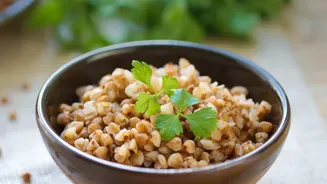
Kuttu atta, or buckwheat flour, is perhaps the most popular fasting flour. Despite its name, buckwheat is unrelated to wheat; it's a seed from a flowering plant. Known for its earthy, slightly nutty flavour, kuttu flour is a nutritional powerhouse, rich in high-quality protein, dietary fibre, magnesium, and antioxidants. Its complex carbohydrates provide a steady release of energy, keeping you full and preventing the fatigue often associated with fasting. Because kuttu has a warming effect on the body, it's often recommended to pair it with cooling foods like yogurt. Popular dishes made from kuttu include crispy 'puris', savoury 'pakoras', and wholesome 'cheelas' (pancakes).
Rajgira Atta (Amaranth Flour): The Protein Powerhouse
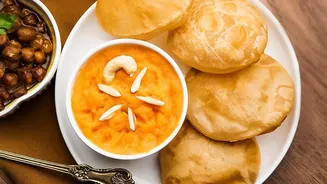
Rajgira, also known as amaranth or ramdana, is an ancient pseudocereal celebrated for its remarkable nutritional profile. As a flour, it's light and has a mild, nutty taste. Rajgira is a complete protein source, containing all essential amino acids, and is also packed with iron, magnesium, and calcium, which helps maintain bone health and energy levels. Its high fibre content aids digestion and promotes a feeling of fullness. Rajgira atta is incredibly versatile and is used to make soft 'rotis' and 'parathas', fluffy 'puris', and sweet treats like 'laddoos' and 'sheera' (halwa).
Singhara Atta (Water Chestnut Flour): The Cooling Choice
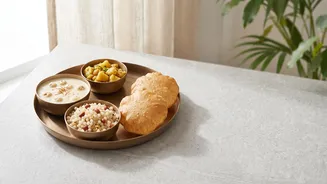
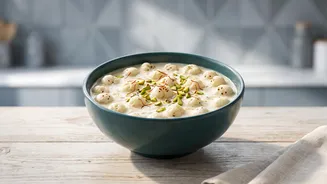
Singhara atta is made from dried, ground water chestnuts, which are fruits, not nuts. This fine, white flour is naturally cooling for the body, making it an excellent choice for those who experience acidity or heaviness during fasts. It’s low in calories but rich in potassium and fibre, which supports heart health and aids digestion. Singhara atta has a slightly sweet taste and is used to prepare a wide array of dishes. It can be used for light and crispy 'puris', soft 'rotis', and delectable 'halwa'. Its versatility also extends to snacks like 'samosas' and 'pakoras', offering a fasting-friendly twist on classic favourites.
Tips for Cooking with Fasting Flours
Since these flours are gluten-free, they lack the elasticity of wheat flour, which can make rolling them out a bit tricky. The most common technique is to use boiled and mashed potatoes or arbi (colocasia root) as a binding agent. This adds moisture and makes the dough pliable. When kneading, it's best to add water gradually to avoid a sticky consistency. For rolling 'puris' or 'parathas', you can pat the dough with your hands or roll it gently between two sheets of greased plastic. It's also common to mix two or more fasting flours, like kuttu and singhara, to achieve a balanced texture and flavour.