


1. The Dedicated 'Paw Spa'
Forget hosing down a muddy dog in the garden or wrestling them into the family bathtub. The latest in pet-friendly design is the 'paw spa' or dedicated dog-washing station. Often located in a mudroom or utility area near an entrance, these stations feature
a waist-high tiled basin, a handheld sprayer, and built-in storage for shampoos and towels. This isn't just a luxury for large bungalows; in urban apartments, clever designers are incorporating compact, tiled nooks into bathrooms or service balconies. It’s a practical solution that contains the mess from rainy day walks and keeps the rest of the home clean, reflecting a deeper consideration for the daily realities of pet ownership.
2. Built-in 'Dens' and 'Perches'
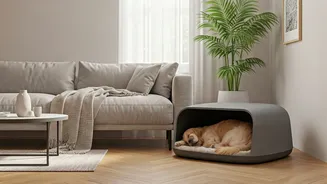
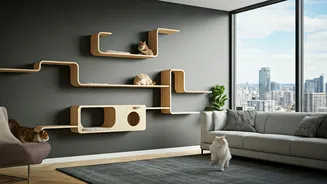
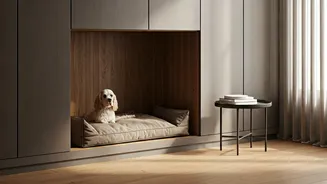
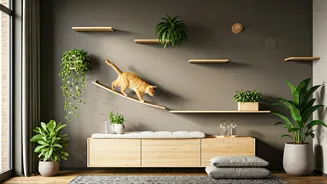
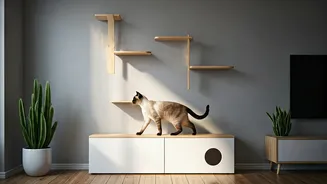
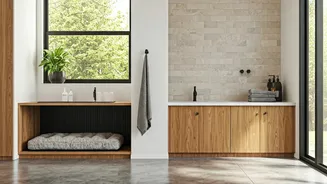
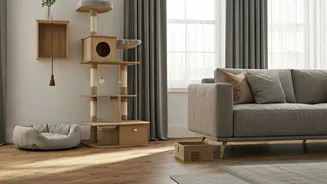
The lonely pet bed in the corner is getting a major upgrade. Today’s designs create integrated spaces that cater to a pet’s natural instincts. Think built-in nooks under staircases, custom cabinetry with a cosy cutout for a cat to nap in, or window seats designed with a durable, comfortable perch for watching the world go by. For cat owners, 'cat-ification' is a growing trend, involving vertical design elements like stylish wall-mounted shelves, ledges, and bridges that create a 'cat superhighway'. These features provide mental and physical stimulation while blending seamlessly into the home's overall aesthetic, rather than looking like an afterthought.
3. Smart, Durable, and Safe Materials
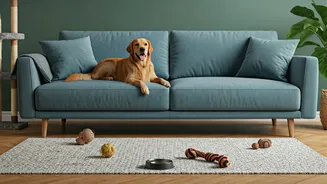
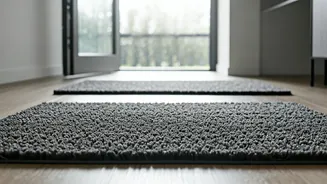
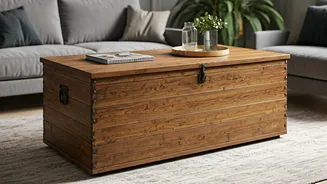
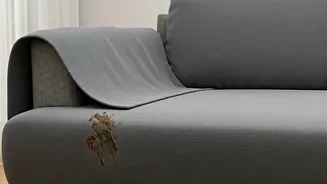
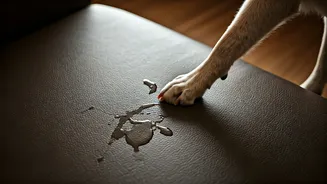
Living with pets often means contending with scratches, stains, and shedding. Instead of compromising on style, homeowners are now demanding materials that can handle the rigours of pet life. Flooring is a key area of innovation. Luxury vinyl tile (LVT) and high-quality laminate, which resist scratches and are waterproof, are surging in popularity. On walls, designers are opting for durable, washable paints with a semi-gloss or satin finish. Even furniture choices are affected, with a rise in performance fabrics that are stain-resistant and easy to clean. Beyond durability, there's a growing awareness of pet safety, leading to the use of non-toxic paints and finishes and ensuring no small, chewable hazards are left in a pet's reach.
4. Reimagined Outdoor Access
Providing safe access to the outdoors is a major priority. For cat owners, the 'catio'—an enclosed patio or balcony—is the perfect solution. These secure spaces allow cats to enjoy fresh air, sounds, and sights without the risks of roaming freely. They can range from simple window boxes to elaborate, custom-built enclosures that wrap around the side of a house. For dogs, it's about creating secure garden spaces with durable, pet-friendly turf and fencing that is both effective and aesthetically pleasing. In apartments, balconies are being fitted with reinforced mesh to create a safe zone, proving that city living doesn't have to mean a life lived entirely indoors for our pets.
5. Integrated Feeding Stations
Tripping over food and water bowls is a common pet-owner complaint. The modern solution is to get them off the floor entirely. Designers are now incorporating feeding stations directly into kitchen cabinetry or islands. A popular design involves a pull-out drawer at the base of a cabinet that holds food and water bowls, which can be easily tucked away when not in use. This keeps the kitchen looking tidy, prevents spills, and can be designed at an ergonomic height for the pet. It’s a small but significant detail that illustrates the core principle of modern pet-friendly design: integrating a pet's needs into the home's structure in a way that is both functional and beautiful.