






The Long Reign of Protein
It’s not hard to see why protein captured our collective imagination. In the fitness-focused landscape, its role as the primary building block for muscle and tissue repair made it a celebrity nutrient. Gym-goers chugged whey shakes, and even the average
person started scrutinising labels for grams of protein, associating higher numbers with better health. This obsession was fuelled by a simple, powerful promise: protein helps you build muscle, stay full longer, and can aid in weight management. Food companies were quick to capitalise on this, launching 'high-protein' versions of everything from biscuits to ice cream. The message was clear and easy to digest: more protein is always better. While its importance is undeniable, this single-nutrient focus often led us to overlook the rest of the team playing on our plate.
Enter Fibre: The Unsung Hero
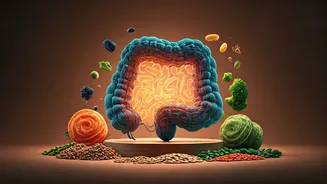
While protein was grabbing headlines, fibre was working quietly in the background. Often dismissed as simple 'roughage' only good for keeping you regular, its true value is far more profound. Fibre is a type of carbohydrate that the body can’t digest. Instead of being broken down, it passes through our digestive system, feeding the trillions of good bacteria in our gut. This is where the story gets exciting. The growing scientific interest in the gut microbiome—the ecosystem of bacteria living in our intestines—has revealed that a healthy gut is linked to everything from a strong immune system and mental well-being to a lower risk of chronic diseases. And what’s the favourite food of these beneficial microbes? Fibre.
Beyond Digestion: Fibre's Superpowers
The benefits of a fibre-rich diet extend far beyond gut health. Soluble fibre, found in oats, beans, and apples, dissolves in water to form a gel-like substance. This slows down digestion, which helps prevent sharp spikes in blood sugar after a meal—a critical benefit in a country with a high prevalence of diabetes. It also binds to cholesterol particles, helping to remove them from the body and supporting heart health. Insoluble fibre, found in whole grains and vegetables, adds bulk to stool, promoting regularity and preventing constipation. Together, they create a powerful health shield. The National Institute of Nutrition in India recommends about 30-40 grams of dietary fibre per day for adults, a target many of us are falling short of in our modern, processed diets.
A Partnership, Not a Rivalry
The new conversation isn’t about dethroning protein. It’s about recognising that fibre deserves a seat at the same table. This isn't a case of 'protein vs. fibre'; it's about 'protein *and* fibre'. Think of it like building a house. Protein provides the bricks and mortar—the essential structures. Fibre provides the maintenance and infrastructure—the plumbing, wiring, and security that keep the house running smoothly and protect it from long-term damage. A meal that combines a good source of protein with high-fibre foods is the nutritional jackpot. For example, a simple bowl of rajma (kidney beans) with brown rice or a whole-wheat roti delivers both: protein for muscle repair and satiety, and fibre for gut health and blood sugar stability.
How to Get Your Fibre Fix
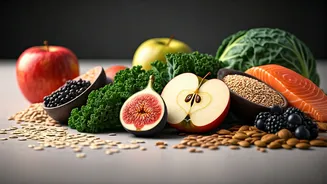
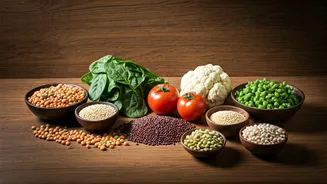
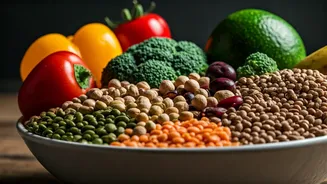
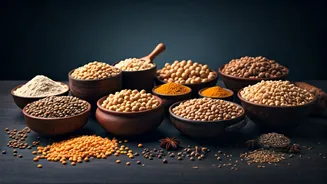
The good news is that incorporating more fibre into an Indian diet is both easy and delicious. Our traditional cuisine is naturally rich in fibre-friendly ingredients. The key is to choose whole, unprocessed foods. Swap white rice for brown rice, millets like jowar and bajra, or quinoa. Make sure your dals and legumes are a daily staple. Load up on seasonal vegetables, especially leafy greens, gourds, and beans. Snack on fruits with their skin on, like apples and pears, or a handful of nuts and seeds. The simple act of choosing a whole-wheat roti over a maida-based naan, or starting your day with a bowl of oats instead of a packaged cereal, can significantly boost your fibre intake. It’s about making small, sustainable shifts rather than a radical overhaul.