






The Philosophy of the Reset
A weekly kitchen reset is more than just cleaning countertops. It’s a strategic habit to bring your kitchen back to a state of readiness. This means you can find ingredients easily, meals come together faster, and you are less likely to order takeout
because you can't face the chaos. The goal is not a showroom-perfect kitchen, but a functional one that works for you. By dedicating a small window of time, perhaps on a Sunday afternoon, you clear the decks—both physically and mentally—for the busy weekdays. It's about looking at what you have, what needs to be used, and ensuring everything has a proper home.
Conducting the Leftover Audit
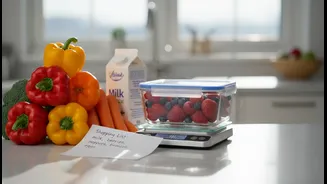
The first pillar of a successful reset is dealing with the contents of your fridge. Before you can plan, you need to know what you have. Start by pulling out all leftover containers. Anything past its prime or unidentifiable needs to go. According to USDA guidelines, most leftovers are safe in the refrigerator for about three to four days. To make this process easier in the future, label containers with the contents and date. Consider creating an “Eat First” bin in your fridge for items that need to be used up quickly. This simple step drastically reduces food waste and takes the guesswork out of deciding if something is still good to eat.
Repurposing to Reduce Waste
An audit isn't just about throwing things away; it's about creative reuse. That half an onion, roasted vegetables from two nights ago, and leftover grilled chicken can be the building blocks of your next meal. Think of it as a culinary challenge. Those veggies can be thrown into a frittata, the chicken can top a salad, and the onion can start a soup. Planning one “use-it-up” meal each week based on your leftover inventory is a fantastic way to ensure food doesn't go to waste. It not only saves money but also pushes you to get creative in the kitchen, turning potential waste into a delicious, zero-cost meal.
Mastering Your Storage Space
Effective leftover management is impossible without proper storage. Having a chaotic collection of containers with missing lids is a common source of kitchen frustration. During your reset, do a quick audit of your storage containers. Match lids to bases and recycle anything that is broken or unusable. Investing in a set of clear, stackable containers is a game-changer. Glass containers are particularly useful as they can often go from the fridge to the microwave or oven. Being able to see what’s inside without opening every container makes it much more likely you’ll use what you have. This visibility is key to preventing good food from getting lost in the back of the fridge.
The Final Steps: Plan and Prep
Once your fridge is audited and your storage is organised, the final step is to look ahead. With a clear view of your available ingredients, you can sketch out a rough meal plan for the first few days of the week. This doesn't have to be a rigid schedule, but simply an idea of what you can make. This is also the perfect time for a little pre-prepping. Wash and chop vegetables, portion out snacks into reusable bags, or cook a batch of grains. Storing these prepped ingredients in your now-organised containers means that when a busy weeknight hits, half the work of cooking dinner is already done for you.