





Understanding Vrat-Friendly Foods
Traditional Hindu fasting, or 'vrat', involves abstaining from certain foods to purify the body and mind. The rules generally exclude grains like wheat and rice, lentils, onions, garlic, and regular table salt. Instead, the diet, known as 'phalahar',
relies on fruits, dairy, and a specific category of flours and seeds. This is where makhana, kuttu, and rajgira come in. Considered 'sattvik' or pure, they provide energy and nourishment while adhering to the principles of fasting. They are not just substitutes but are celebrated for their unique health benefits that support the body through a period of dietary discipline.
Makhana: The Puffed Powerhouse
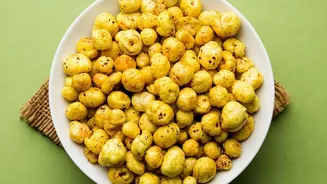
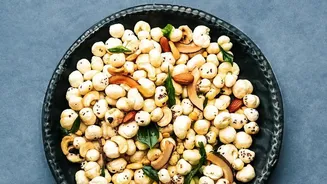
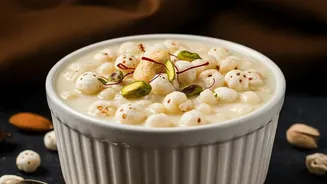
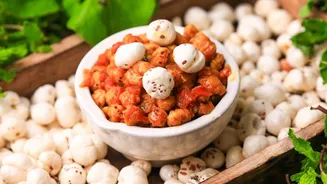
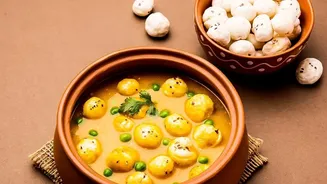
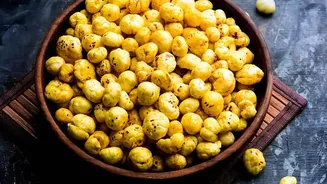
Makhana, also known as fox nuts or lotus seeds, are harvested from a type of water lily. These lightweight, crunchy puffs are a fasting favourite for good reason. They are low in calories and fat but rich in protein, fibre, and essential minerals like magnesium and potassium. This powerful combination helps you feel full for longer, preventing the energy dips often associated with fasting. Unlike many fried snacks, roasted makhana offers sustained energy without feeling heavy, making it an ideal food to maintain stamina for prayers and daily activities. Its versatility is another plus; it can be roasted for a simple snack, ground to thicken curries, or used in desserts like kheer.
Kuttu: The Versatile Pseudocereal
Kuttu, or buckwheat, is a mainstay of 'vrat' cooking, especially during Navratri. Despite its name, it is not a type of wheat. It is a 'pseudocereal'—a seed that is consumed like a grain—which is why it's permitted during fasts when true cereals are avoided. Kuttu ka atta (buckwheat flour) is prized for its dense nutritional profile. It's packed with high-quality protein, dietary fibre, and minerals like magnesium and iron. The complex carbohydrates in kuttu break down slowly, providing a steady release of energy that is crucial during a fast. Its high fibre content also aids digestion, which can sometimes slow down during a fast, preventing issues like bloating. From crispy puris and parathas to savoury pakoras and cheelas, kuttu flour is the base for many hearty and satisfying vrat meals.
Rajgira: The Royal Seed
Rajgira, or amaranth, translates to 'royal grain', and its nutritional profile lives up to the name. Like kuttu, it is a gluten-free pseudocereal that has been a part of Indian diets for centuries. Rajgira is a protein powerhouse and one of the few plant-based sources to contain lysine, an essential amino acid. It is also exceptionally rich in iron, calcium, and fibre. This makes it particularly beneficial during fasting, as it helps maintain energy levels, supports bone health, and keeps you satiated. Rajgira is incredibly versatile; its flour can be used to make rotis and puris, while puffed amaranth seeds are used in chikkis (brittle) and ladoos, offering a wholesome way to satisfy sweet cravings during a vrat.