








From Monthly Ritual to Daily Habit
Not long ago, budgeting was a retrospective exercise. At the end of the month, you might sit down with a diary or a spreadsheet, tally up your expenses, and wonder how the numbers got so high. Today, that model is being flipped on its head. Thanks to
a new generation of fintech apps and the universal reach of the Unified Payments Interface (UPI), financial management is shifting from a monthly chore to a daily routine. The constant stream of digital transactions now leaves a clear footprint, making it easier than ever for apps to automatically track and categorize every rupee spent in real-time. This has transformed personal finance from a passive, backward-looking activity into an active, forward-looking one. Instead of just reviewing past spending, users are now getting instant insights that help them make smarter decisions on the go.
The UPI and Smartphone Revolution
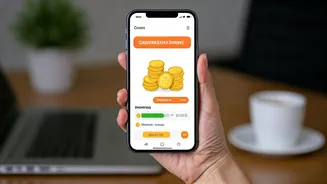
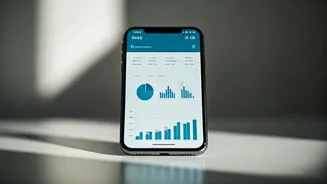
The single biggest catalyst for this change has been UPI. By making digital payments seamless for everything from a cup of chai to a major purchase, UPI has created a comprehensive digital ledger of our financial lives. This data is the fuel for modern budgeting apps. In 2024, India led the world in finance app downloads, with users spending a staggering 6.77 billion hours on these platforms, indicating a deep and growing engagement with digital money tools. Fintech platforms and neobanks like Jupiter, Fi, and Walnut are designed to tap directly into this ecosystem. They read transaction alerts, automatically classify your spending into categories like 'Food', 'Transport', and 'Shopping', and present it in easy-to-understand visual dashboards. This removes the manual labour of expense tracking and provides immediate clarity on spending patterns.
The Psychology of the Daily Check-In
So, what makes daily tracking so compelling? It taps into basic human psychology. The simple act of observing your behaviour—a phenomenon known as the 'observer effect'—can naturally change it for the better. When you see your spending updated instantly, you become more mindful of your financial choices. This awareness can reduce money-related stress and impulsivity. To make the habit stick, many apps incorporate 'gamification' techniques borrowed from mobile games and fitness apps. Features like rewards for saving streaks, badges for hitting goals, and visual progress bars create a sense of achievement and turn a mundane task into an engaging experience. This approach has proven particularly effective for Gen Z users, with some studies showing that over 40% prefer gamified savings apps to traditional methods.
More Than Just Tracking Expenses
Modern budgeting apps are evolving into holistic financial coaches. They are no longer just passive tools for logging expenses. Many now use AI to provide personalised insights and actionable advice. For instance, an app might analyze your spending and suggest a realistic budget, alert you when you're close to overspending in a category, or even answer complex questions like, "Can I afford a new bike by the end of the year?" Some platforms integrate budgeting with investments, allowing users to automatically sweep small savings into mutual funds or digital gold. This seamless connection between saving, budgeting, and investing helps users build wealth with minimal effort. It’s a shift from merely managing money to actively optimising it for future goals.
The Potential Downsides: Anxiety and Data Privacy
While the benefits are clear, this new era of constant financial monitoring isn't without its challenges. For some, the daily scrutiny of every expense can lead to 'financial anxiety,' creating stress instead of empowerment. The frictionless nature of UPI and one-tap payments can also, paradoxically, encourage impulse spending if not used mindfully. Furthermore, giving an app access to your financial data requires a high degree of trust. Users must be cautious and choose apps that use secure, RBI-approved frameworks like the Account Aggregator system, which provides consent-based data sharing without requiring you to hand over sensitive passwords. Checking app permissions and understanding what data is being collected is crucial for protecting your privacy.