


A More Refined Revival
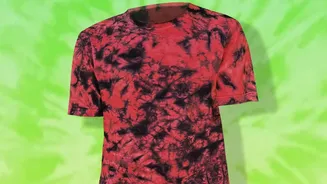
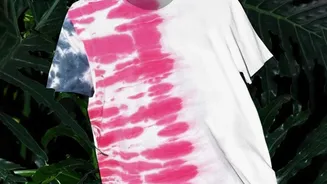
Forget the chaotic rainbow spirals of music festivals past. The tie-dye of 2026 is a more sophisticated affair. The trend has veered away from its purely psychedelic roots towards something more artisanal and chic. This modern iteration favours muted,
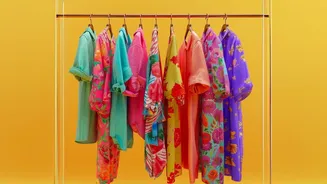
earthy palettes like sage green, charcoal, and sand, making it easier to style with everyday wardrobes. Designers are applying these softer patterns to elevated materials like silk and linen, moving tie-dye from casual t-shirts to high-fashion pieces. The focus is on unique, artistic patterns, often drawing from complex techniques like Japanese Shibori and ice dyeing, which create designs that feel more like wearable art than a DIY project. This evolution has positioned tie-dye as a slow-fashion trend, celebrated for its craftsmanship and individuality rather than just its nostalgic appeal.
Ancient Roots, Global Threads
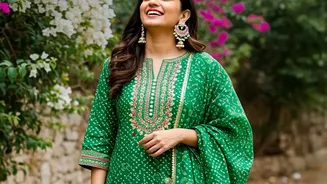
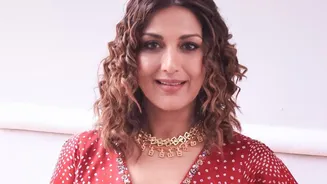
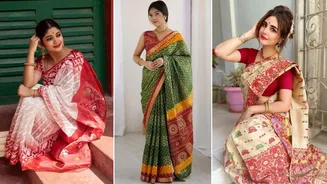
While many associate tie-dye with the 1960s counter-culture, its history stretches back millennia across various cultures. In Japan, the art of Shibori, a meticulous process of binding and folding fabric before dyeing, dates to the 8th century and was once used to signify social status on elaborate kimonos. Similarly, India's Bandhani tradition, derived from the Sanskrit word for "to tie," involves pinching and tying thousands of tiny knots to create intricate dot patterns. This ancient craft, primarily from Gujarat and Rajasthan, is so detailed that a single piece can take months to complete. Versions of this resist-dyeing technique also appear in the history of Nigeria with Adire and among indigenous groups in the Americas, where patterns held spiritual significance. These traditions show that creating patterns by resisting dye is a universal human impulse for expression.
From Counter-Culture to Couture
In the West, tie-dye’s story takes a sharp turn in the 1960s and 70s. It was adopted as a visual uniform for the hippie movement, a symbol of peace, freedom, and a rejection of mainstream norms. The bright, psychedelic patterns became synonymous with anti-establishment protests and the music of a generation. For decades, it remained largely in this nostalgic box. However, recent years have seen luxury designers and high-fashion houses embrace the technique, completely reframing its cultural status. Brands like Diesel have incorporated tie-dye into their collections, transforming it from a symbol of rebellion into a statement of high style. This shift from festival fields to runways has given tie-dye a new lease on life, proving its versatility and enduring appeal.
The Bandana as the Perfect Canvas
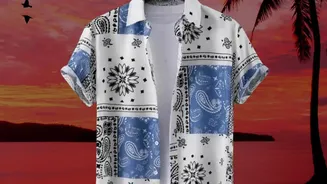
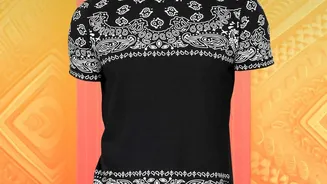
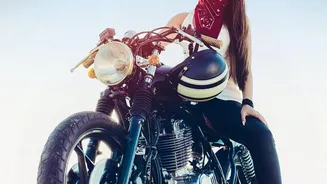
The bandana has emerged as the star accessory of 2026, creating the perfect entry point for the modern tie-dye trend. Spotted at fashion weeks and on celebrities like Dua Lipa, Zendaya, and Gigi Hadid, the bandana offers a playful and practical way to inject personality into an outfit without committing to a full garment. Its small size makes it an ideal canvas for the more artistic and refined tie-dye patterns of the moment. No longer just a relic of Y2K pop or Western wear, today's bandana is being styled in a chic, almost glamorous way—tied around the hair for a vintage feel, knotted over a wool coat, or tucked into a blazer. This versatile accessory is easy to wear and provides a low-stakes way for people to experiment with the tie-dye aesthetic, whether in a bold silk print or a subtle, hand-dyed cotton.