


The Power of Pulses
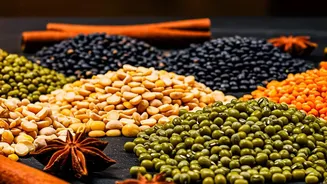
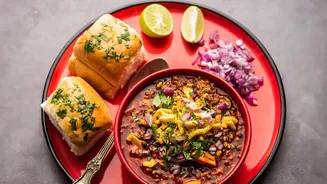
The humble dal is a cornerstone of Indian cuisine and a protein powerhouse. Lentils like moong, masoor, and toor are staples for a reason, offering around 7-9 grams of protein per cooked cup. They are also rich in fibre and essential minerals. Beyond
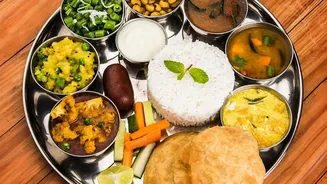
dal, chickpeas (chana) and kidney beans (rajma) are fantastic sources. A cup of cooked chickpeas contains about 15 grams of protein. The classic Indian combination of dal with rice or roti creates a complete protein profile, providing all the essential amino acids your body needs. So, that comforting bowl of dal chawal is not just soul food; it's a smart nutritional choice.
Dairy's Delicious Duo: Paneer and Curd
For vegetarians, dairy is a crucial and easily accessible protein source. Paneer, or Indian cottage cheese, is a favourite, packing about 18 grams of protein per 100-gram serving. It contains casein, a slow-digesting protein that helps you feel full for longer, making it an excellent choice for a satisfying meal. Then there's curd (dahi), or even better, hung curd (Greek yogurt), which concentrates the protein. A serving of hung curd can offer up to 15 grams of protein. It's also packed with probiotics that support gut health, making it a win-win for your diet.
The Soy Story: A Versatile Contender
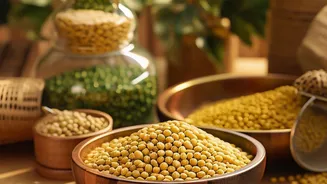
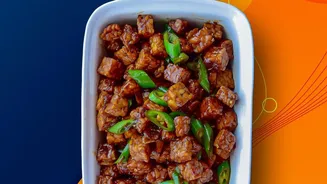
Soy products are some of the most protein-dense options in a plant-based diet. Soya chunks, often called vegetarian meat, lead the pack with a remarkable 52 grams of protein per 100 grams when dry. They are one of the few plant sources that provide a complete protein, containing all nine essential amino acids. Tofu, made from soybeans, is a great, lower-fat alternative to paneer, offering about 15 grams of protein per 100 grams. Both are incredibly versatile and can be used in curries, stir-fries, and bhurji, easily boosting the protein content of any meal.
Small but Mighty: Nuts and Seeds
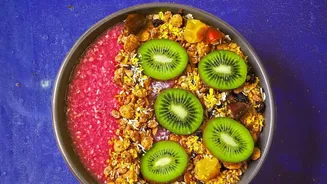
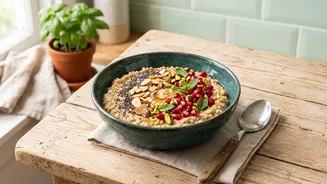
Don't underestimate the power of a handful of nuts and seeds. Almonds, peanuts, and walnuts are not just tasty snacks; they are good sources of protein, healthy fats, and fibre. Peanuts, the most budget-friendly of the lot, contain about 18 grams of protein per 100 grams. Seeds like chia, flax, and pumpkin are also nutritional giants. Just two tablespoons of chia seeds can add a quick 4-5 grams of protein to your smoothie, oatmeal, or curd. They are also rich in omega-3 fatty acids and fibre, supporting heart and digestive health.
Unsung Heroes: Grains and Millets
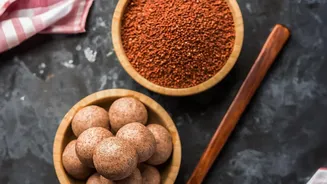
While we often think of grains as carbohydrates, many traditional Indian grains and millets offer a decent amount of protein. Quinoa, though not native, has become popular for a reason; it's a complete protein with about 8 grams per cooked cup. Traditional millets like bajra (pearl millet) and ragi (finger millet) are also valuable sources. Even sattu, or roasted gram flour, is a protein-rich ingredient with about 20-26 grams per 100 grams that can be made into a refreshing drink or used in parathas.
For the Non-Vegetarians: Eggs and Lean Meats
For those who include animal products in their diet, the options are plentiful. Eggs are considered the gold standard for protein quality due to their high bioavailability. One large egg provides about 6 grams of complete protein. Lean chicken breast is another excellent choice, delivering around 31 grams of protein per 100-gram serving with very little fat. Fish like rohu and pomfret are also great, providing high-quality protein along with beneficial omega-3 fatty acids that help with muscle recovery.