


From Hidden Gem to Highway Hotspot
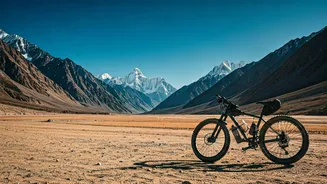
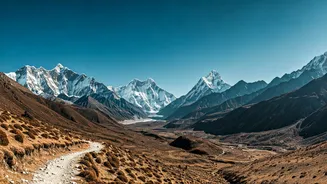
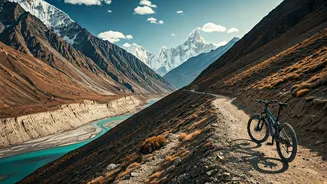
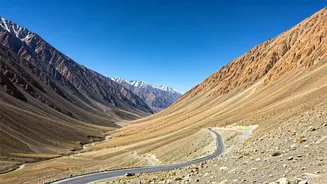
Spiti Valley, located in the Indian state of Himachal Pradesh, is a landscape ripped from a fantasy novel. At an average elevation of over 12,500 feet, it’s a cold desert mountain valley characterized by barren slopes, snow-capped peaks, and villages
that seem to cling to cliffs by sheer will. For centuries, its isolation protected a unique Tibetan Buddhist culture, with some of the oldest, most revered monasteries in the world, like the Key Gompa and Tabo Monastery. Reaching it required navigating treacherous, high-altitude roads that were often closed for more than half the year. It wasn't a trip; it was an expedition. But in recent years, particularly post-pandemic, something has shifted. The expedition has become the ultimate road trip, and Spiti is no longer a secret whispered among backpackers. It has become a bucket-list destination for a new demographic: young, urban Indians.
The New Indian Traveler
So, what’s driving this massive influx? It’s a perfect storm of social, cultural, and infrastructural changes. For generations, the typical Indian family vacation was a planned, often religious or family-oriented trip. But for India's growing millennial and Gen Z populations, armed with disposable income and a globalized outlook, travel means something different. It’s about adventure, independence, and collecting experiences—not just souvenirs. Spiti offers the perfect backdrop for this new travel ethos. The journey itself—a multi-day drive or motorcycle ride through stunning, challenging terrain—is the main attraction. It represents a break from the structured, high-pressure urban life of cities like Mumbai, Delhi, and Bangalore. It’s a quest for authenticity in a place that feels worlds away from a modern metropolis, a tangible way to feel “off the grid” while still being, ironically, very connected.
The Instagram Effect
You can’t talk about Spiti’s newfound fame without talking about social media. A quick search for #SpitiValley on Instagram reveals millions of posts: stunning drone shots of winding roads, selfies at the “World’s Highest Post Office” in Hikkim, and contemplative poses against a backdrop of prayer flags fluttering in the wind. For many young travelers, the valley is a content goldmine. The journey is documented, vlogged, and broadcast in real-time, creating a powerful feedback loop. Each viral reel or breathtaking photo becomes an advertisement, inspiring friends and followers to make the same pilgrimage. This digital word-of-mouth has turned remote landmarks into must-see photo ops, transforming the travel experience from a personal journey into a performative one. The desire to capture the perfect shot has become a significant driver of traffic to the valley's most picturesque, and often most fragile, spots.
Paradise Under Pressure
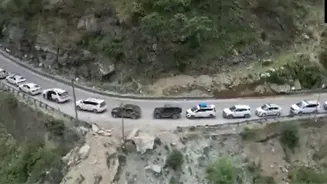
This boom is a double-edged sword for the sparsely populated region. On one hand, tourism brings a vital economic boost. Guesthouses, cafes, and tour operators are flourishing, providing new livelihoods for locals in an area with limited economic opportunities. On the other hand, Spiti’s fragile ecosystem and infrastructure are straining under the pressure. The region is a cold desert, where water is scarce and the growing season is short. The sudden spike in visitors has led to water shortages, waste management crises (plastic waste in a place with no disposal systems is a disaster), and traffic congestion on roads not built for it. There's also a cultural cost. The quiet, contemplative life of the monasteries is increasingly interrupted by crowds, and the interaction between conservative local communities and liberal urban tourists can sometimes lead to friction. Locals are grappling with how to preserve the very culture and environment that tourists are coming to see.