






Demystifying LED Grow Lights
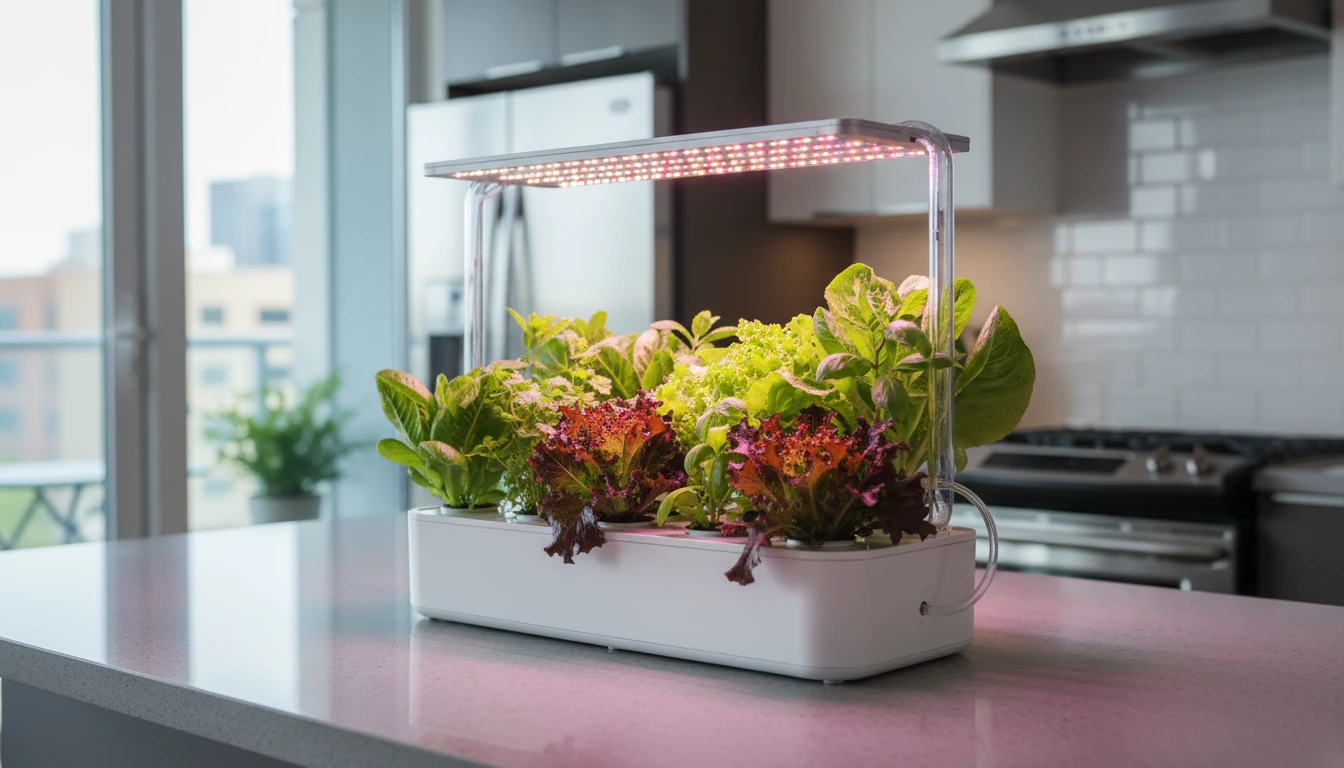
First, let's be clear: not just any LED bulb will do. While your standard household LED is great for lighting a room, it lacks the specific light recipe that plants need to flourish. Specialised LED grow lights are designed to provide a 'full spectrum'
of light, mimicking the sun. This is crucial because plants use different colours, or wavelengths, of light for different jobs. Blue light, for example, is vital for strong leaf and stem growth in a plant's early stages, helping produce compact, healthy seedlings. Red light becomes more important as the plant matures, encouraging it to flower and produce fruit. The main advantage of modern LEDs is that they deliver these specific light wavelengths with incredible energy efficiency and very little heat output, unlike older fluorescent or HID lamps. This means you can place them closer to your plants without scorching the leaves, which is a huge benefit for compact home setups.
The 'Loop': Why Light Cycles Matter
The term 'lighting loop' simply refers to the daily, automated cycle of light and darkness your plants experience. This is also known as the photoperiod. Getting this cycle right is just as important as the quality of the light itself, as it signals to the plant what it should be doing—growing leaves, or producing flowers. Most leafy greens and herbs in their vegetative stage (when they are focused on growing leaves) thrive on a schedule of 16 to 18 hours of light followed by 6 to 8 hours of darkness. This consistent dark period is essential for the plant's respiration and overall health. Interrupting the dark cycle can stress the plant and hinder its development. For fruiting plants like tomatoes or certain peppers, a switch to a 12-hours-on, 12-hours-off schedule helps trigger the flowering and fruiting phase. The beauty of an indoor setup is that you have complete control over this 'day' and 'night'.
Automation: From Basic to Brilliant
The key to maintaining a perfect lighting loop is automation. Manually flipping a switch is unreliable and quickly becomes a chore. Luckily, automating your system is easier and more affordable than ever. The simplest method is a basic mechanical or digital timer. You plug the light into the timer, set the on and off times, and you're done. It’s a set-it-and-forget-it solution that ensures your plants get the consistency they crave. For the more tech-savvy gardener, smart plugs are a game-changer. These Wi-Fi-enabled devices connect to an app on your phone, allowing you to set complex schedules, control the lights remotely, and even monitor energy consumption. Some advanced smart plugs or power strips offer control over individual outlets, letting you run lights, pumps, and fans on separate schedules from a single interface. This level of control allows for precise adjustments as your plants grow and their needs change.
Choosing the Right Gear for Your Greens
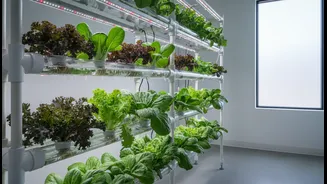
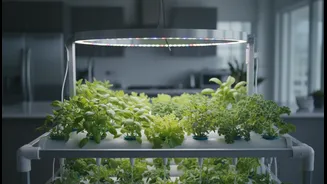
When selecting an LED fixture, think about what you plan to grow. For leafy greens like lettuce, spinach, and herbs like basil, a full-spectrum light that is strong in the blue wavelengths will promote lush, compact foliage. Look for fixtures that list their coverage area to ensure you are providing enough light for your entire grow bed. Many reputable grow lights will even provide recommended hanging heights for different growth stages to maximise their effectiveness. While the upfront cost of a quality LED grow light can be higher than traditional options, their long lifespan and energy savings make them a smart investment for any serious home gardener. Some models have lifespans exceeding 50,000 hours, which can translate to over five years of continuous use.