


Why the Sudden Focus on Protein?
This isn't an entirely new conversation, but it is an increasingly urgent one. According to multiple surveys, a staggering 73% of Indians are deficient in protein, and what's more concerning is that over 90% are unaware of their daily protein requirements.
For decades, the typical Indian plate has been dominated by carbohydrates like rice and roti. While these are essential for energy, they have crowded out adequate protein, a macronutrient vital for building muscle, repairing tissues, supporting immunity, and regulating hormones. This imbalance is now being linked to a host of health issues, from fatigue and poor muscle health to a higher risk of metabolic conditions. The new nutritional push is a response to this widespread, silent deficiency.
How Much Protein Do You Really Need?
The numbers are simpler than you might think. The Indian Council of Medical Research (ICMR) recommends a daily protein intake of 0.83 grams per kilogram of ideal body weight for a healthy adult. For a person weighing 60 kilograms, this translates to roughly 50 grams of protein per day. For those whose diets are primarily plant-based, the recommendation can be slightly higher, around 1 gram per kilogram, because plant proteins can have lower digestibility. This doesn't mean you need to start obsessively counting grams. The goal is a more intuitive shift: ensuring a significant source of protein is a part of your breakfast, lunch, and dinner.
Busting Common Protein Myths
One of the biggest myths holding Indians back is the belief that a vegetarian diet is inherently low in protein. This is simply not true. A well-planned vegetarian diet can easily meet daily protein needs. Another common misconception is that protein is only for bodybuilders or gym-goers. In reality, everyone from a growing child to a sedentary office worker to an elderly person needs adequate protein for basic bodily functions and to prevent age-related muscle loss. The recent ICMR guidelines also caution against relying on expensive protein supplements, instead promoting a 'food first' approach that prioritizes getting nutrients from natural, whole foods.
Power Up Your Plate: Vegetarian Sources
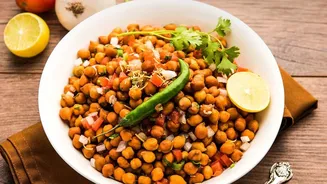
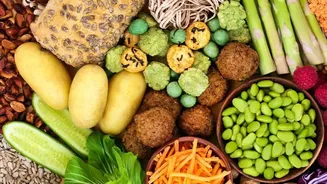
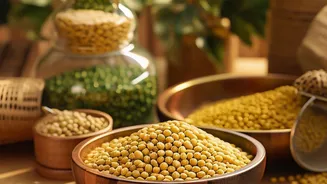
The Indian kitchen is already a treasure trove of affordable, high-quality vegetarian protein. The key is to use them generously. A single cup of cooked dal provides a substantial amount of protein. Chickpeas (chana), kidney beans (rajma), and various other legumes are excellent. Dairy products like paneer and curd (especially thick or Greek yogurt) are protein powerhouses. Soya chunks, often called 'vegetarian meat', are one of the most concentrated sources available, packing a huge punch in curries and pulao. Even humble peanuts and seeds can significantly boost your intake.
Smart Choices for Non-Vegetarians
For those who eat non-vegetarian food, meeting protein goals can be straightforward. Eggs are often called the 'perfect protein' because they contain all essential amino acids and are incredibly versatile and affordable. A single egg contains about 6 grams of high-quality protein. Chicken breast and various types of fish are also excellent lean protein sources. The trick is in the preparation. Opting for grilled, baked, or curry-based preparations over deep-frying helps keep the meal healthy and balanced. Combining these with vegetables and whole grains ensures a complete and nourishing meal.
Simple Swaps for a Protein-Packed Day
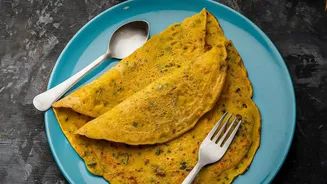
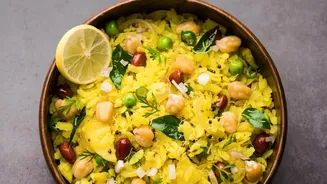
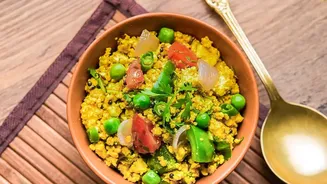
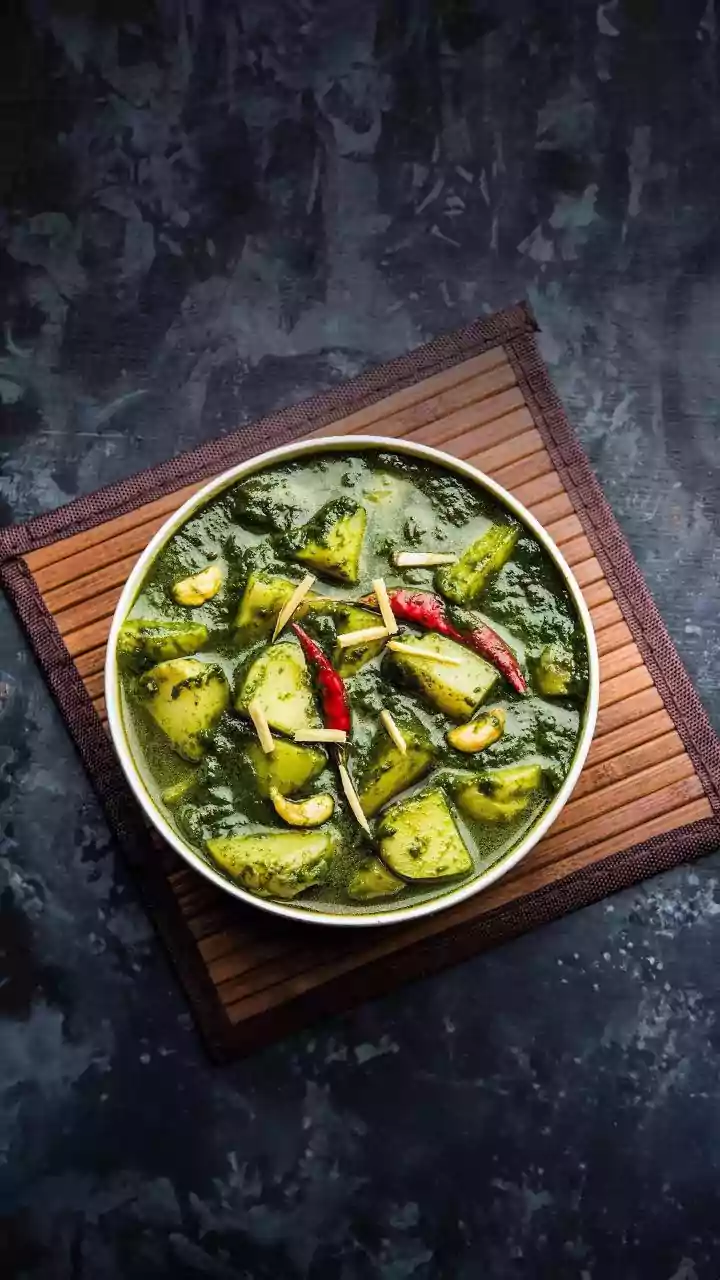
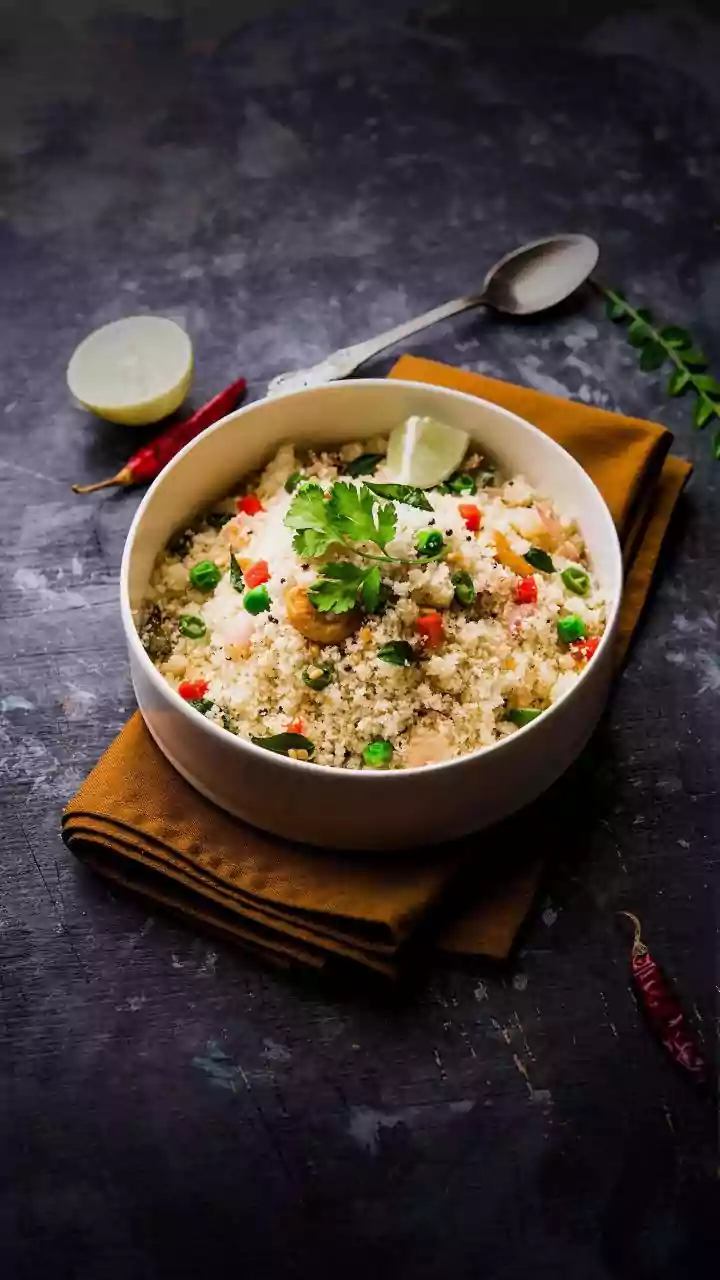
Incorporating more protein doesn't require a complete dietary overhaul. Small, consistent changes can make a huge difference. Start your day with a besan or moong dal chilla instead of just poha or upma. For your snack, swap a packet of biscuits for a handful of roasted chana or a bowl of sprouts chaat. At lunch and dinner, consciously increase the portion of dal, sabzi with paneer, or tofu on your plate, while slightly reducing the amount of rice or roti. Adding a side of curd or raita to your main meals is another easy and effective way to add a few extra grams of protein and improve digestion.