



The Science of Natural Air Conditioning
Before you start buying pots, it helps to understand why a green terrace feels so much cooler. It’s not just in your head; two key scientific principles are at work. The first is shading. Plants, especially those with dense leaves, physically block solar
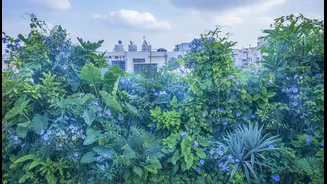
radiation from hitting the floor and walls, which can dramatically reduce surface temperatures. The second, more powerful process is called evapotranspiration. This is the plant equivalent of sweating. Plants draw water up from their roots and release it as vapor through tiny pores in their leaves. This process of converting liquid to gas absorbs heat from the surrounding air, actively cooling the environment. A space filled with plants can be noticeably cooler than an exposed one, sometimes by several degrees.
Choosing Your Cooling Champions
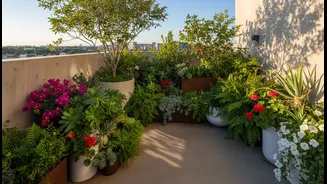
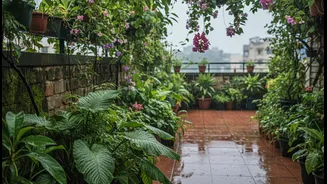
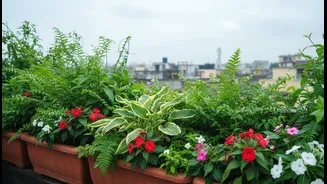
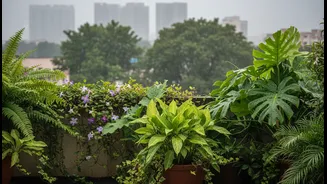
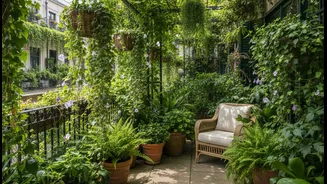
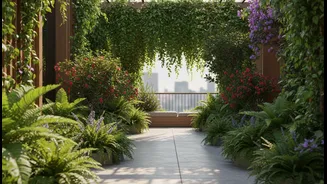
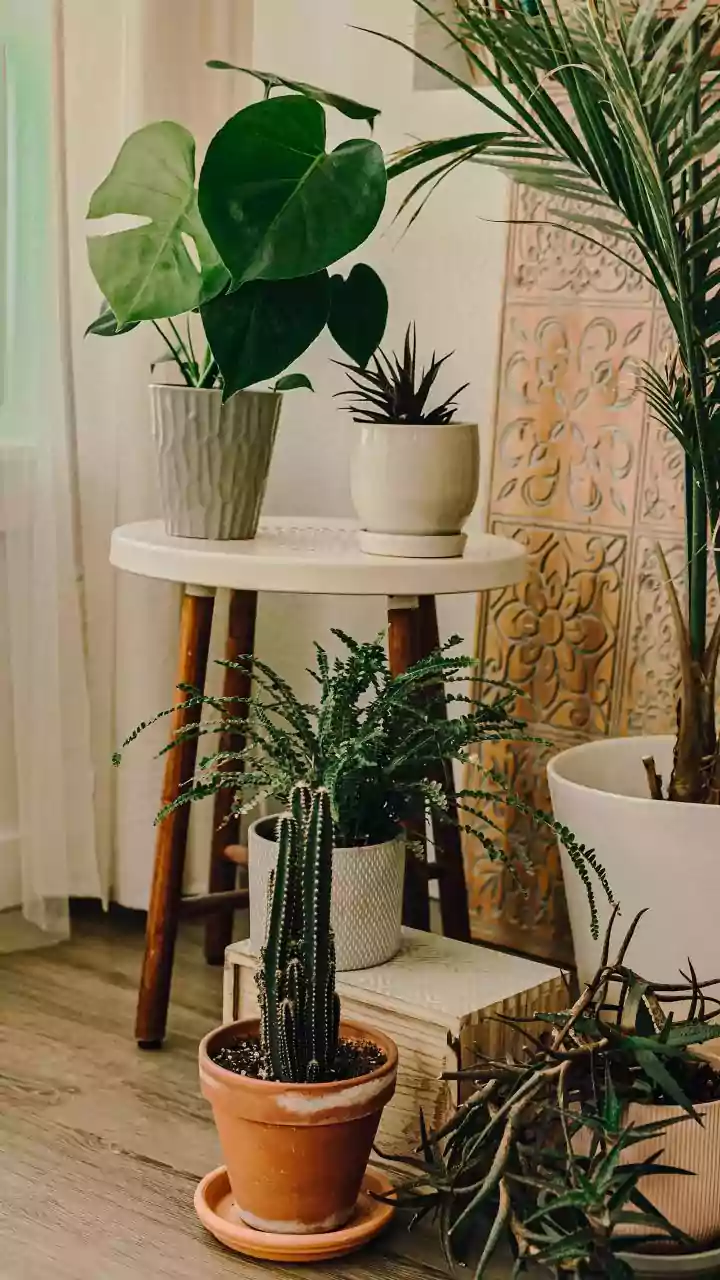
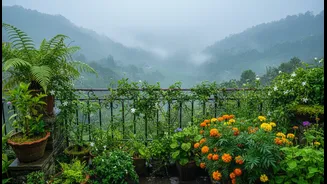
The right plants are essential for creating a cooling effect. For Indian summers, you need heat-tolerant species that can handle intense sun. Focus on a mix of plant types to create layers of green. For vertical shade, climbers and creepers are your best friends. Bougainvillea, with its vibrant colours, is exceptionally hardy and loves the sun. Other great options include Jasmine for its fragrant evening blooms and Money Plant for its easy-to-grow nature. For surface cooling and dense foliage, consider broad-leaved plants like Areca Palm and Snake Plant. These are not only tough but also excellent at purifying the air. Succulents like Aloe Vera and Portulaca (often called 9 o'Clock) are perfect for hot, dry spots as they store water in their leaves and provide ground cover.
Strategic Design for Maximum Cool
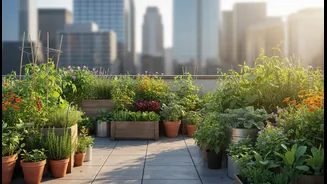
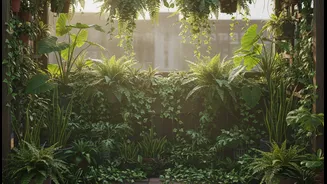
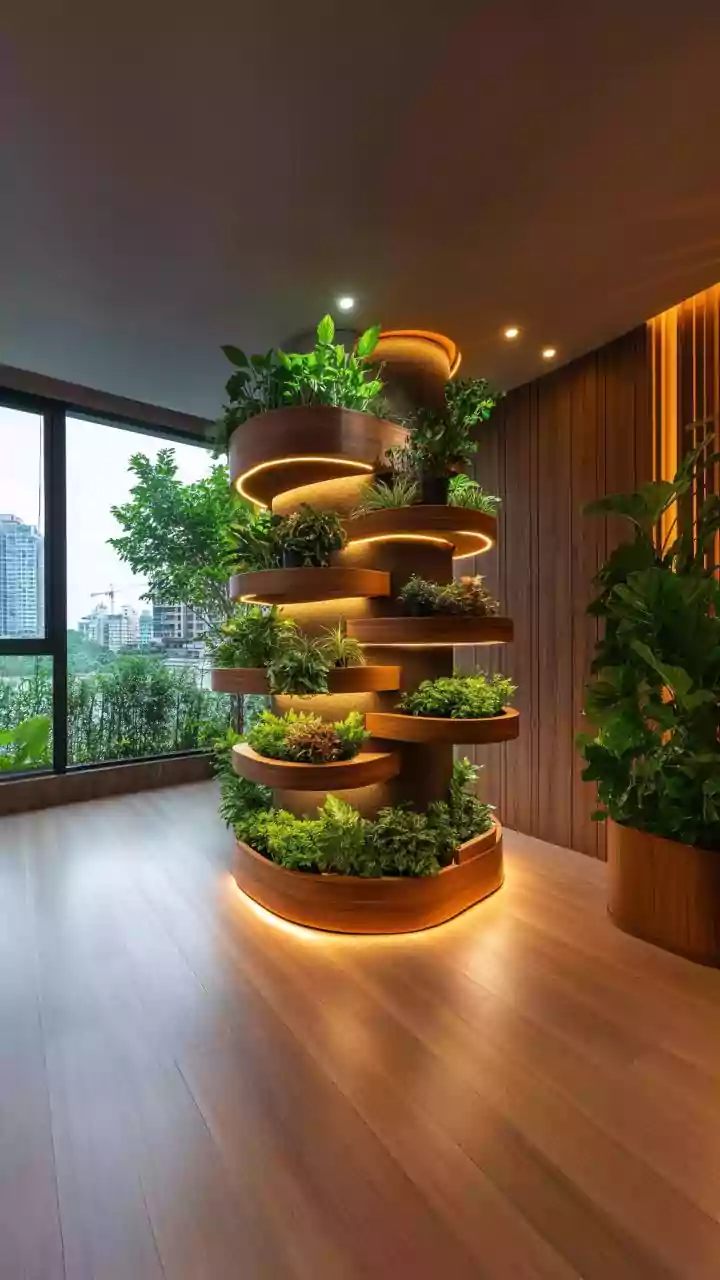
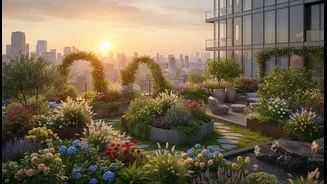
How you arrange your plants is just as important as which ones you choose. Think like a landscape designer and create a multi-level green space. Place taller plants, like palms or a potted frangipani, on the south and west sides of your terrace to block the harshest afternoon sun. Use trellises to guide climbers up walls, creating a living green curtain that insulates your home. Grouping several pots together creates a microclimate. The combined evapotranspiration from the cluster of plants increases local humidity, making the immediate area feel significantly cooler and more pleasant. Also consider your hardscaping. Breaking up large tiled areas with patches of groundcover or using light-colored tiles can reduce the amount of heat the floor absorbs and radiates.
Foundations: Pots, Soil, and Water
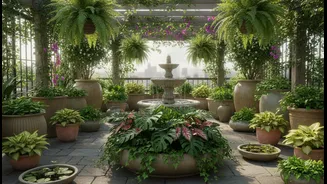
For a terrace garden to thrive, the basics must be right. Terracotta or clay pots are generally better than plastic ones in hot climates. They are porous, allowing the soil to breathe and stay cooler. Ensure every pot has adequate drainage holes to prevent waterlogging, which is a common cause of plant failure. Use a well-draining soil mix, typically a combination of garden soil, coco peat (which retains moisture), and compost for nutrients. Watering efficiently is key. Water your plants deeply in the early morning or late evening to minimize evaporation. For a larger garden, consider installing a drip irrigation system. It delivers water directly to the roots, saving water, time, and effort, ensuring your green canopy remains healthy even through the peak of summer.
Beyond the Greenery
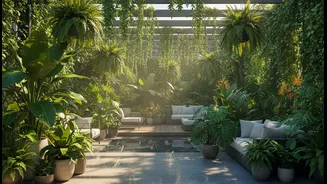
While plants are the stars of the show, a few other elements can enhance the cooling effect and overall ambiance. A simple water feature, like a small recirculating fountain or even a large bowl of water with floating flowers, can add to the cooling effect through evaporation. The sound of water also has a psychologically soothing effect. Furthermore, using shade structures like pergolas or a simple shade cloth can provide immediate relief and protect more delicate plants from the harshest midday sun. When combined with a thriving garden, these additions help create a complete ecosystem of coolness that is both functional and deeply beautiful.