


Embrace Vrat-Friendly Flours
Traditional grains are avoided during Sawan, but vrat-friendly flours like kuttu (buckwheat), rajgira (amaranth), and singhara (water chestnut) are excellent alternatives. These flours are not only permitted but are also packed with nutrients. Kuttu and rajgira are particularly
high in protein and fibre, which are crucial for feeling full and maintaining stable energy levels. Unlike simple carbohydrates that can cause energy spikes and crashes, the complex carbs in these flours release energy slowly. Using them to make puris, parathas, or cheelas can create a satisfying meal that prevents hunger pangs for longer.
Rely on Dairy for Protein and Fullness
Dairy products like milk, curd (dahi), and paneer are cornerstones of a Sawan fasting diet for good reason. They are rich sources of high-quality protein, which is essential for satiety and preserving muscle mass during fasts. A bowl of curd or a glass of buttermilk can be both hydrating and filling. Paneer is one of the best protein sources available during a vrat; adding it to a light vegetable curry or simply grilling it can make your meal substantial and help keep you energised throughout the day.
Incorporate Smart Starches like Samak Rice
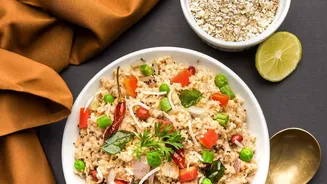
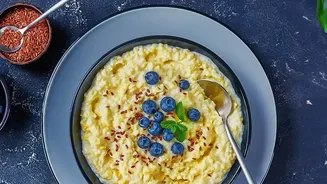
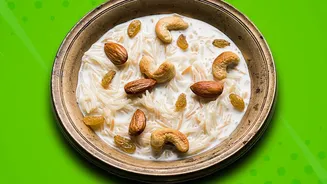
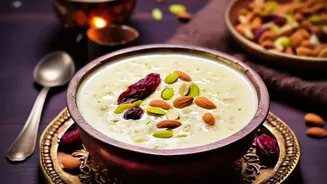
Samak ke chawal, or barnyard millet, is a fantastic substitute for regular rice during Sawan. It is light on the stomach but surprisingly filling due to its fibre content. Often prepared as a simple pulao or a creamy kheer, samak rice provides steady energy without feeling heavy. Its ability to keep you full makes it a valuable addition to your main meal, ensuring you don't feel the need to snack on less healthy options soon after.
Don't Forget Nuts and Seeds
For a quick and effective energy boost between meals, nuts and seeds are your best friends. Almonds, walnuts, and peanuts are packed with healthy fats, protein, and fibre. A small handful can significantly improve satiety and keep hunger at bay. Roasted makhana (fox nuts) are another fantastic option. They are light, crunchy, and a good source of protein and essential minerals, making them an ideal snack to curb mid-afternoon energy slumps.
Harness the Power of Sabudana Correctly
Sabudana (tapioca pearls) is a beloved fasting staple, known for providing a quick burst of energy due to its high carbohydrate content. However, on its own, it has very little protein or fibre. The trick to making sabudana a hunger-controlling food is to combine it with other ingredients. Preparing sabudana khichdi with a generous amount of peanuts adds healthy fats and protein. This combination turns a simple carb dish into a more balanced meal that digests slower and keeps you feeling satisfied for longer.
Fill Up with Fruits and Vegetables
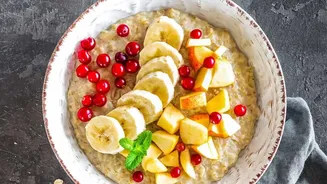
Never underestimate the role of fruits and vegetables. While fruits provide natural sugars and hydration, certain vegetables add bulk and nutrients to your meals. Potatoes and sweet potatoes are filling options, but should ideally be boiled or roasted instead of fried. Vegetables like lauki (bottle gourd) and pumpkin can be used to make light sabzis that add volume and fibre to your meal, helping you feel full on fewer calories.