




What Makes a Vehicle 'Winter-Ready'?
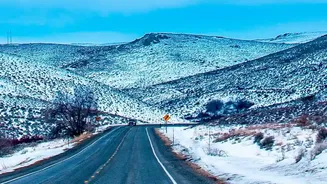
Driving on the icy, unpredictable roads of the Himalayas in winter is not a task for a standard city car. A 'winter-prepped' vehicle is essential for safety and reliability. First and foremost, a 4x4 (four-wheel drive) system is non-negotiable. It provides
the necessary traction to handle snow, ice, and slush, which are common on routes like the road to Spiti Valley. Beyond 4x4 capability, look for vehicles equipped with all-terrain or mud/snow-rated tyres that offer superior grip in cold conditions. Some rental agencies may also provide snow chains, which can be crucial for crossing high passes or navigating sections with deep snow. An effective heater and defogger are vital for both comfort and visibility. Finally, a well-serviced engine and a healthy battery are critical, as cold temperatures can strain vehicle mechanics.
Top Rental Hubs and Agencies
Chandigarh and Delhi serve as the primary starting points for most Himalayan self-drive expeditions. While national platforms like Zoomcar and Revv operate in these cities, local operators often provide vehicles better suited for mountain terrain and offer more relevant support. In Manali, local agencies are well-versed in the demands of winter routes. Companies like Himachal Pro Manali, DrivePro Manali, and All Drive Manali offer a fleet of capable 4x4s. Their vehicle options frequently include the robust Mahindra Thar, Toyota Fortuner, and Scorpio-N, which are popular choices for tackling tough Himalayan roads. For those starting from Delhi or Chandigarh, operators like RBTS Self Drive Cars specialize in rentals for trips to Ladakh and Spiti. They advertise fleets that include the Mahindra Thar, Scorpio-N, and Toyota Fortuner, specifically highlighting their suitability for mountain adventures. Another option is Your Drive, which also provides the popular Mahindra Thar for off-road trips originating from Punjab, Chandigarh, or Delhi.
The Right Ride for the Right Route
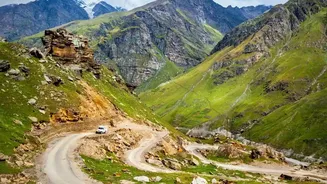
The Mahindra Thar is arguably the most popular and widely available choice for winter self-drive trips, praised for its off-road prowess on snowy and rugged terrain. Rental agencies frequently market it as the go-to vehicle for exploring places like Spiti in winter. For larger groups or those wanting more comfort, the Mahindra Scorpio-N and Toyota Fortuner are excellent 4x4 alternatives that offer more space for passengers and luggage. The Maruti Jimny is another compact 4x4 option that has become available. While sedans and hatchbacks are offered by many rental companies, they are not suitable for winter high-altitude routes where snow and ice are expected. A vehicle with high ground clearance and 4x4 capability is the sensible and safe choice.
Key Questions Before You Book
Before finalising your rental, it is crucial to clarify a few key points with the company. First, confirm the vehicle is a 4WD model and ask about the condition of the tyres. Enquire if snow chains are included or available for rent, as they can be a legal requirement in some areas during heavy snowfall. Ask about the company's policy on roadside assistance, especially for remote regions like Spiti or Ladakh. Understand the insurance coverage provided and what it includes, particularly concerning damage that can occur on rough mountain roads. Also, check for any restrictions on kilometres, as some companies offer unlimited-kilometre plans that are ideal for long road trips. Finally, confirm that the vehicle has the necessary permits for all the states and regions you plan to visit.
Safety Beyond the Steering Wheel
Your preparation shouldn't end with the vehicle. Himalayan winter driving demands a cautious and informed approach. Always check the latest weather forecasts and road status before you start your journey, as conditions can change rapidly. Routes like the one to Spiti via Manali (Kunzum Pass) are closed in winter, making the Shimla-Kaza road the only accessible corridor, and even it can face temporary closures. Pack an emergency kit containing blankets, extra warm clothing, a flashlight, a first-aid kit, and non-perishable snacks and water. Drive slowly, maintain a safe distance from other vehicles, and avoid sudden braking or accelerating on icy patches. It is also wise to start your days early and avoid driving after dark when temperatures plummet and visibility decreases.