


Mysuru Dasara: A Royal Spectacle
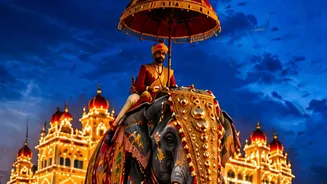
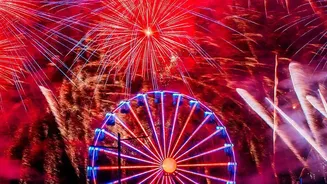
Mysuru’s Dasara is arguably the most famous and grandest of all Dussehra celebrations. This 11-day festival, scheduled from October 11 to October 21 in 2026, honours Goddess Chamundeshwari’s victory over the demon Mahishasura. The entire city transforms
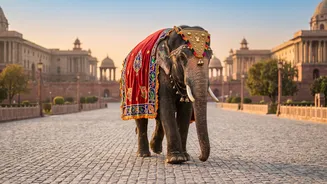
into a festive hub, but the main attraction is the Amba Vilas Palace, which is illuminated by nearly 100,000 light bulbs every evening, creating a breathtaking sight. The festival is steeped in royal tradition, dating back to 1610. It features a packed schedule of cultural performances, exhibitions, and food melas. The grand finale is the Jamboo Savari, a majestic procession on Vijayadashami (October 21, 2026) where the idol of the Goddess is carried in a golden howdah atop a decorated elephant. The day concludes with a torchlight parade, making it a must-see for anyone wanting to witness royal pageantry.
Kullu Dussehra: A Divine Himalayan Gathering
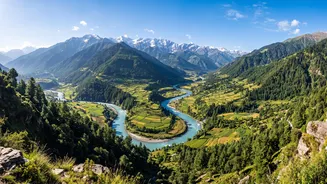
In the picturesque Kullu Valley of Himachal Pradesh, Dussehra is a week-long international festival that begins on Vijayadashami, just as celebrations elsewhere are concluding. In 2026, it commences around October 20. Unlike the common tradition of burning Ravana effigies, Kullu Dussehra is a unique congregation of over 200 local deities. These deities are brought from surrounding villages in ornate palanquins to the Dhalpur Maidan to pay homage to Lord Raghunath, the valley's principal deity. The festival is a vibrant mix of faith, folk music, and traditional Nati dance performances. The highlight is the grand chariot procession of Lord Raghunath, a symbol of community unity and devotion. It's an immersive cultural experience for travellers seeking authentic Himalayan traditions away from urban fanfare.
Bastar Dussehra: A 75-Day Tribal Marathon
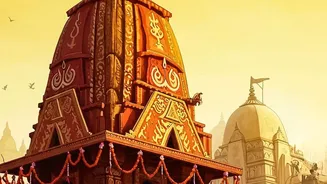
Celebrated over 75 days, Bastar Dussehra in Chhattisgarh is one of the world's longest festivals and is entirely distinct from the Ramayana narrative. The festival, which has a history of about 600 years, is dedicated to Goddess Danteshwari, the region's presiding deity. Its rituals are deeply rooted in tribal culture and nature worship. The celebrations begin on Hariyali Amavasya with the 'Pat Jatra' ritual, which involves the worship of wood for building the ceremonial chariot. The festival includes unique ceremonies like 'Jogi Bithai', a nine-day penance by an ascetic, and 'Muria Durbar', a royal assembly of tribal chiefs. Instead of burning Ravana, the focus is on a grand chariot procession and a series of rituals that showcase the deep connection between the local communities and their faith, making it a fascinating destination for cultural anthropologists and curious travellers alike.
Kota Dussehra: Where Effigies Touch the Sky
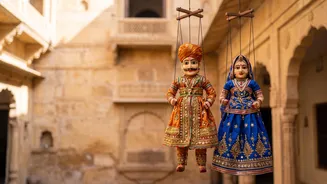
For those who enjoy the spectacle of Ravana Dahan, Kota in Rajasthan takes it to another level. The city is famous for its colossal effigies of Ravana, his brother Kumbhakarna, and son Meghnad, which can stand over 75 feet tall. On Vijayadashami, these towering structures are set ablaze in a dramatic display of fireworks, symbolising the victory of good over evil. The event is the culmination of a festival that includes a large fair, or 'mela', that extends for about 20-25 days, featuring cultural programs, Rajasthani folk performances, and bustling markets. The celebration also has royal connections, with the royal family of Kota participating in a grand procession through the city. It's a high-energy event that combines religious tradition with the lively atmosphere of a community fair.