








Nature's Overlooked Infrastructure
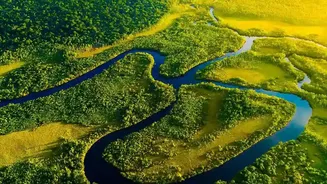
Wetlands—which include marshes, lakes, ponds, and floodplains—are often dismissed as wastelands, but they function as nature's highly efficient infrastructure. They act like giant sponges, absorbing and storing excess rainwater during heavy downpours.
This process slows the flow of water into urban drainage systems, giving overloaded channels time to cope and significantly reducing the risk of flash floods. By holding this water, they also help recharge groundwater tables, acting as a buffer against both floods and droughts. The gradual release of stored water ensures that river systems are not overwhelmed all at once, providing a natural form of flood control that is far more effective and sustainable than many man-made solutions.
The High Cost of Disappearing Sponges
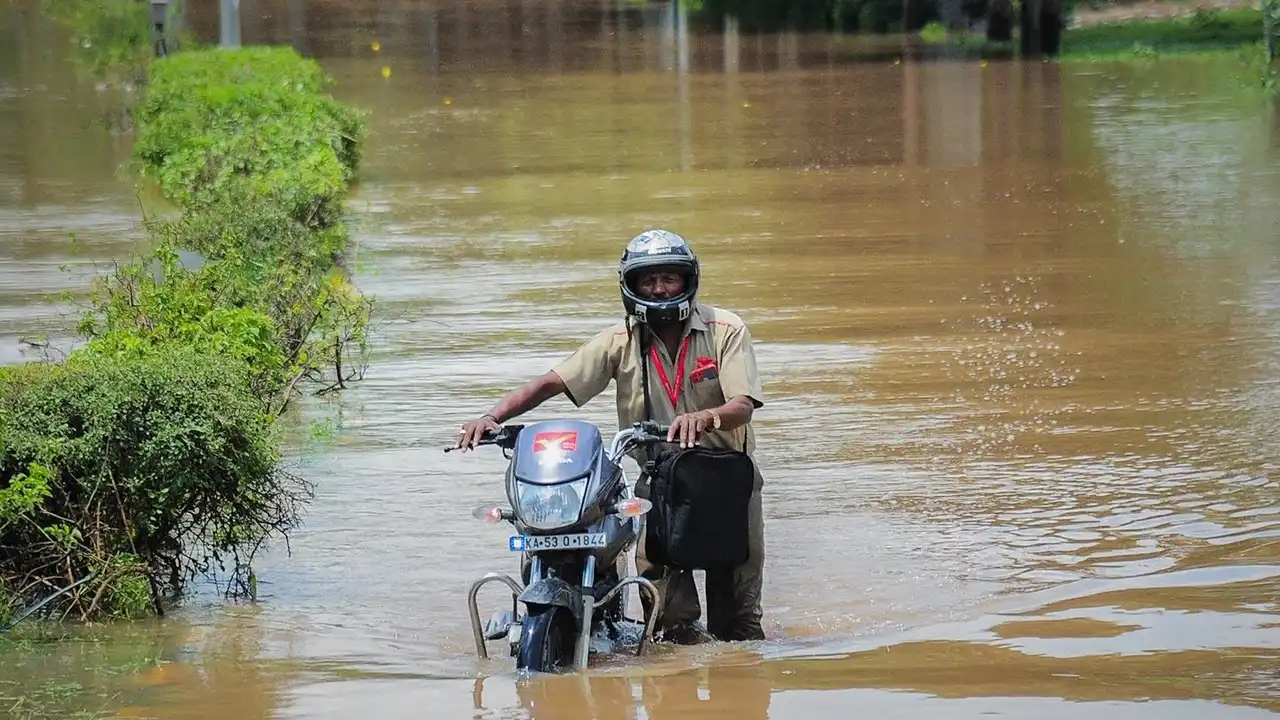
Across India, these vital ecosystems are vanishing at an alarming rate, paved over for buildings and infrastructure. Rapid, often unplanned urbanisation has led to the widespread encroachment of wetlands. Cities like Chennai have lost approximately 85% of their wetlands over the decades, a factor that directly contributed to the devastating floods of 2015. Studies have shown that as the number of water bodies in and around Chennai shrank, the excess runoff that caused flooding increased, even when rainfall patterns remained relatively stable. Similarly, Mumbai has lost a significant percentage of its natural water bodies, replacing permeable soil with concrete, which amplifies surface runoff and overwhelms its colonial-era drainage systems. This loss is not just an environmental issue; it has staggering economic consequences, with floods in Chennai and Mumbai causing billions of dollars in damages.
A Tale of Two Cities: Kolkata and Chennai
The contrast between Kolkata and Chennai offers a powerful lesson. The East Kolkata Wetlands, a 12,500-hectare Ramsar site, serve as a natural flood-control system for the city. This vast network of water bodies absorbs excess monsoon rain and also naturally treats a significant portion of the city's sewage, showcasing a remarkable synergy between nature and urban life. This has saved Kolkata from the kind of severe waterlogging seen in other metros. In contrast, Chennai's experience with the 2015 floods was a harsh wake-up call. Haphazard construction on the city's many lakes and marshlands, including the Pallikaranai marsh, destroyed the natural drainage systems that once protected it, amplifying the disaster. Experts noted that the destruction of these wetlands crippled the city's ability to handle the deluge.
The Way Forward: Policy and Action
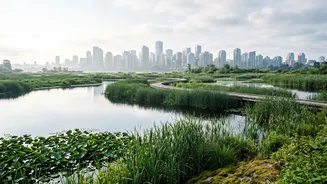
Recognising the threat, India has put legal frameworks in place, such as the Wetlands (Conservation and Management) Rules, 2017. These rules empower states to identify and protect wetlands, prohibiting activities like encroachment and waste dumping. However, experts point to the need for stricter enforcement and better integration of wetland protection into urban planning. The concept of 'sponge cities', which prioritise green infrastructure like wetlands to absorb rainwater, is gaining traction as a solution. Protecting the remaining wetlands and reviving degraded ones is no longer just an environmental goal; it is a critical strategy for urban resilience. This involves not only government action but also community participation to safeguard these invaluable natural assets.