


Before You Leave Home
Preparation is your first line of defence against monsoon troubles. Before stepping out, always check the weather forecast and traffic updates using reliable apps. This can help you decide whether to travel at all, or which routes to avoid. Charge your phone
and power bank completely. Pack a monsoon kit containing a sturdy umbrella, a raincoat, and waterproof bags or zip-lock pouches for your wallet, phone, and other electronic devices. It's also wise to keep an extra set of dry clothes and a small towel at your workplace if possible. Wearing the right footwear, preferably with a strong grip, can prevent slips and falls on wet, slippery surfaces.
Safety for Pedestrians
Walking during heavy rain requires extreme caution. Waterlogged streets can hide open manholes, deep potholes, and other hazards. Avoid walking through stagnant water whenever possible. If you must, tread carefully and use a stick to gauge the depth and check for dangers ahead. One of the most serious risks during the monsoon is electrocution from submerged live wires or faulty electrical poles. Be extremely wary and maintain a safe distance from street light poles, transformers, and any visible loose or dangling wires. Reports of fatal electrocutions serve as a grim reminder of these hidden dangers. If you see a fallen power line, report it to the authorities immediately and warn others to stay away.
Tips for Two-Wheeler Riders
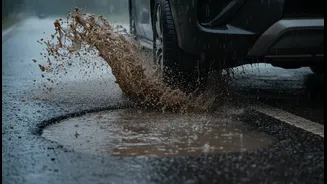
Riding a motorcycle or scooter in the rain is particularly risky. Ensure your vehicle is monsoon-ready by checking tyres for adequate tread, functioning brakes, and clear headlights and indicators. Reduced visibility is a major issue, so keep your headlights on, even during the day. Drive significantly slower than you normally would, as wet roads increase braking distances and the risk of skidding. Avoid sudden braking or sharp turns, especially on painted road markings like zebra crossings, which become extremely slippery. Potholes filled with water can be deeper than they appear, potentially causing accidents or damaging your vehicle, so it's best to navigate around them.
Guidelines for Car Drivers
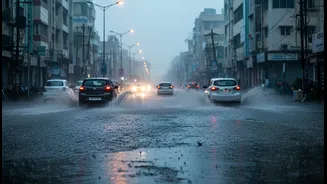
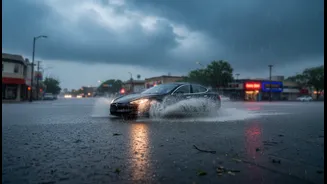
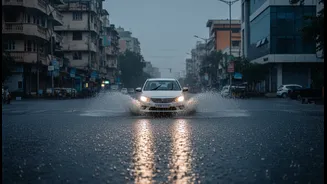
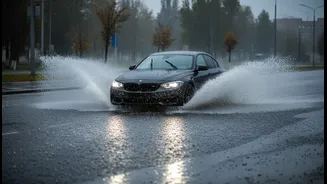
If you are driving a car, preparation and cautious driving are key. Check that your wipers, defogger, brakes, and tyres are in excellent condition before the season starts. During a downpour, reduce your speed and maintain a much larger following distance from the vehicle ahead to allow for longer braking times. Use your low-beam headlights to improve your visibility to other drivers, as high beams can reflect off the rain and cause glare. Avoid driving through heavily waterlogged areas. If your car stalls in water, do not attempt to restart the engine, as this can cause severe damage known as a hydrostatic lock. It's safer to wait for the water to recede or call for assistance.
Navigating Public Transport
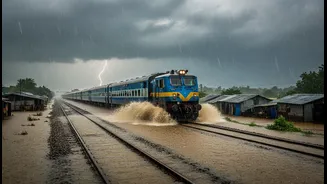
Public transport can be a safer alternative, but it comes with its own set of challenges like overcrowding and delays. Plan for extra travel time as buses and trains often run on delayed schedules during heavy rains. On station platforms and inside buses or trains, be mindful of wet and slippery floors. Hold onto railings for support and watch your step. Keep your belongings in a waterproof bag to protect them. Given the higher number of commuters, be aware of your surroundings and keep valuables secure. If travelling by app-based cabs or auto-rickshaws, be prepared for surge pricing and potential cancellations.
Monsoon Health and Hygiene
Staying safe during the monsoon isn't just about avoiding accidents; it's also about protecting your health. Wading through contaminated floodwater can expose you to a host of water-borne diseases. If you get wet, change out of damp clothes as soon as possible to prevent fungal infections. Always drink boiled or bottled water and be cautious about eating street food, as the risk of contamination is higher during this season. Using a mosquito repellent can help protect you from diseases like dengue and malaria, which are more prevalent during the monsoon.