








The Allure of the Cold Desert
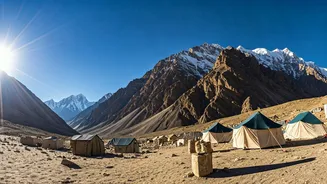
Spiti Valley, a high-altitude desert cradled in the Himalayas, is a land of dramatic contrasts. Sun-drenched, barren mountainsides give way to lush green patches along the Spiti River. Ancient monasteries cling to cliffs, their prayer flags whispering
in the wind. This is not your typical hill station getaway. It’s a journey into a fragile, pristine ecosystem that demands respect and mindfulness from those who visit. The appeal of Spiti lies not in commercial tourist traps but in its profound silence, its stark beauty, and the opportunity to connect with a unique cultural landscape that has remained unchanged for centuries.
What 'Zero Waste' Truly Means Here
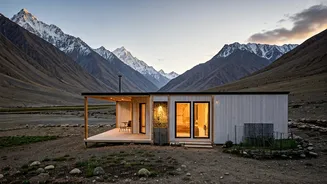
In a region as remote and ecologically sensitive as Spiti, 'zero waste' is not a trendy buzzword; it's a necessary way of life. A zero-waste stay is fundamentally different from a hotel. It’s a commitment to leaving no trace. This means eschewing single-use plastics entirely. Water is used judiciously, often sourced from glacial melts. Waste is meticulously segregated, with all organic matter going into compost pits to enrich the soil for farming. You’ll likely encounter dry composting toilets, an ingenious traditional solution that saves water and creates natural fertiliser. These stays are built using local materials like mud and stone, which provide natural insulation against the harsh climate, reducing the need for energy-intensive heating.
A Day in a Sustainable Spiti Stay
Forget room service and infinity pools. The luxury here is of a different kind. A typical day begins with waking up to panoramic views of snow-capped peaks from your window. Breakfast is a simple, hearty affair, often featuring locally grown barley, buckwheat pancakes, or fresh bread served with homemade apricot jam. The day is yours to explore—perhaps a trek to a nearby village, a visit to a thousand-year-old monastery, or simply reading a book with a cup of butter tea. Evenings are for conversations with your host family, learning about their way of life, and sharing stories under a blanket of stars so clear and bright it feels almost unreal. It’s a rhythm of life that is slow, intentional, and deeply restorative.
Embracing the Slow Travel Ethos
Choosing a zero-waste stay is about embracing the philosophy of slow travel. It's a conscious decision to move away from a checklist-driven itinerary towards a more immersive and meaningful experience. It’s about understanding that your presence has an impact and choosing to make that impact a positive one. This means supporting the local economy directly, learning about the local culture with genuine curiosity, and respecting the environment that sustains it. In Spiti, this form of travel allows you to forge a deeper connection with the place and its people, turning a simple vacation into a memorable, educational journey. You leave not just with photographs, but with a renewed perspective on consumption and sustainability.
How to Be a Responsible Guest
Your journey to responsible tourism begins before you even arrive. When packing, avoid bringing any single-use plastics like chips packets, plastic water bottles, or disposable toiletries. Carry a reusable water bottle and a water filter or purification tablets. Take all your non-biodegradable waste, like battery cells or wrappers, back with you to the city. Dress modestly, especially when visiting monasteries. Always ask for permission before taking photographs of people. By being a mindful visitor, you not only preserve the sanctity and beauty of Spiti but also ensure that this unique way of life can continue to thrive for generations to come.