




The Sweetness and Texture Transformation
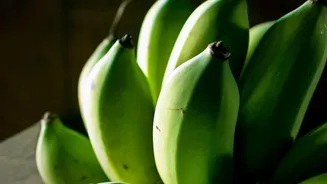
The most noticeable difference between a raw (green) and ripe (yellow) banana is sweetness. An unripe banana has a firm, almost waxy texture and a mild, sometimes slightly bitter or starchy taste. This is because it is composed of 70-80% starch by dry
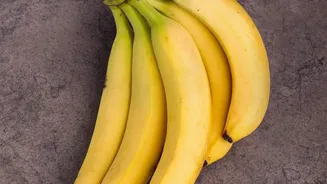
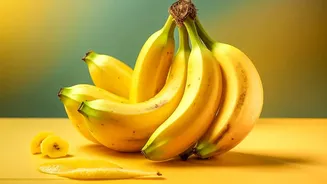
weight. As the banana ripens, a natural enzymatic process converts these complex starches into simple sugars like sucrose, glucose, and fructose. This is why a fully ripe, yellow banana is significantly sweeter and has a softer, creamier, and sometimes mushy texture. The peel also changes, as the green chlorophyll breaks down, revealing the yellow pigments underneath.
The Digestive Difference: A Tale of Two Carbs
The type of carbohydrate in a banana changes dramatically as it ripens, which affects how your body digests it. Green bananas are packed with resistant starch. As its name suggests, this type of starch 'resists' digestion in the small intestine and functions more like a dietary fibre. It travels to the large intestine, where it acts as a prebiotic, feeding the beneficial bacteria in your gut. This can promote a feeling of fullness and support digestive health. However, for some, the high resistant starch content can cause gas or bloating. Ripe bananas, having converted their starch to simple sugars, are generally easier and faster to digest for most people.
Impact on Blood Sugar: The Glycemic Index
The change in carbohydrate composition directly impacts the banana's glycemic index (GI), a measure of how quickly a food raises blood sugar levels. Thanks to their high resistant starch content, green bananas have a low GI, typically estimated between 30 and 42. This means they cause a slower, more gradual rise in blood sugar, making them a potentially better option for those managing blood sugar levels. As the banana ripens and its sugar content increases, so does its GI. A ripe yellow banana has a medium GI, around 51, while a very ripe, spotted banana can climb into the 60s or higher.
The Nutrient Showdown
While the core micronutrient profile, including key minerals like potassium and vitamins like B6, remains relatively stable throughout the ripening process, there are some subtle shifts. As a banana ripens, its antioxidant levels tend to increase. Those brown spots on an overripe banana are actually signs of higher antioxidant activity, which can help your body combat oxidative stress. On the other hand, some water-soluble vitamins, like Vitamin C, may decrease slightly as the banana becomes overripe. The main difference remains the carb composition: unripe bananas offer more prebiotic fibre in the form of resistant starch, while ripe bananas provide more readily available energy from simple sugars.
The Verdict: Which Banana is Best for You?
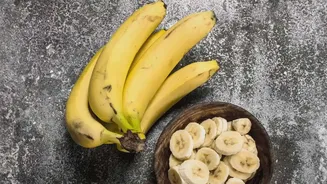
Ultimately, neither raw nor ripe bananas are 'better'—they simply offer different benefits. The ideal choice depends on your personal health goals and preferences. If you are focused on blood sugar control or want to boost your intake of prebiotic fibre for gut health, a greener banana is the superior option. If you need a quick source of energy before a workout, want something that is easier to digest, or are looking for natural sweetness for baking, a ripe or even overripe banana is your best bet. For cooking savoury dishes, the firm, starchy texture of a green banana holds up well, whereas the soft, sweet nature of a ripe banana is perfect for smoothies and desserts like banana bread.