





The Price Tag Is Just the Beginning
In the quest for savings, the allure of a 'buy one, get one free' offer or a bulk discount on rice can be hard to resist. We calculate value based on the cost per kilogram or per item, feeling savvy as we load up our carts. But this calculation is incomplete.
The true cost of food—its total value—must also include the cost and effort of storing it. This includes the physical space in your pantry, the energy your refrigerator consumes, and, most importantly, the risk of spoilage. When food goes bad before we can use it, the initial saving becomes a total loss.
The Hidden Cost of Food Waste
Food waste is a significant issue in India, with households being major contributors. Reports indicate that India wastes millions of tonnes of food annually, worth thousands of crores. A large portion of this waste happens after purchase, often due to improper storage. When that bag of spinach wilts or the dal gets infested with pests, we're not just throwing away food; we're throwing away the money we spent on it. Studies show that inadequate storage facilities contribute to about 40% of food loss in India. By failing to account for storage, we are inadvertently contributing to this cycle of waste and financial loss. Each spoiled item represents a small cut, but together, they bleed a household budget dry.
Your Kitchen’s Storage Reality
Before you buy that 10kg bag of atta, take a hard look at your kitchen. Do you have a cool, dry place for it? In India's humid climate, especially during monsoon, improper storage can ruin flour, rice, and spices quickly. Humidity levels can soar, creating the perfect environment for mould, pests, and spoilage. Limited space in urban apartments means a giant bag of onions might not have a well-ventilated spot, leading to rot. Your refrigerator and freezer are not infinite resources either. Over-stuffing a fridge can block air circulation, creating warm spots where bacteria can thrive, making food unsafe faster. A realistic assessment of your storage capacity is the first step to smarter shopping.
Bulk Buys: A Blessing or a Curse?
Buying in bulk is often promoted as the ultimate money-saving strategy because the price per unit is lower. For items with a long shelf life that you use frequently, like sealed cans or dried beans, it can be a brilliant move—if you have the space. However, for perishables or items sensitive to humidity, it can be a costly mistake. That giant jar of pickle might seem like a good deal, but if your family gets tired of it halfway through, it will sit in the fridge for months, taking up valuable space. The key is to be strategic. Only buy in bulk if you are certain you can use the product before it expires and, crucially, that you can store it properly to maintain its quality and safety.
A New Definition of 'Value'
To become a truly smart shopper, we need to redefine 'value'. Value isn't just the lowest price; it's a combination of price, quality, convenience, and usability. Before you make a purchase, ask yourself a few questions beyond the price. How quickly will my family consume this? Do I have the right container and space to store it? What is the risk of it spoiling before we finish it? Sometimes, paying a little more for a smaller package that you will use completely is better value than buying a bulk item that will be partially wasted. This mindset shift transforms grocery shopping from a simple transaction to a strategic part of household management.
Smart Storage for Smarter Savings
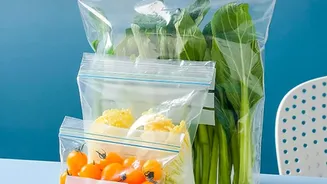
Adopting this new value system is easier with a few practical storage habits. Transfer grains, flours, and spices into airtight containers to protect them from humidity and pests. Store vegetables properly—some belong in the fridge, others in a cool, dark pantry. Use the 'First In, First Out' (FIFO) method for your pantry and fridge, ensuring older items are used before new ones. Label and date items you put in the freezer. These small habits reduce the mental load of managing your food and ensure that the items you bought in good faith are actually consumed, delivering their full value.