






When it comes to fitness, Shilpa Shetty is a name synonymous with discipline and grace. Her latest workout, a challenging ball drill, shifts the focus from speed to something far more crucial: controlled, deliberate movement.
The Brain-and-Body Challenge
In a recent social media post,
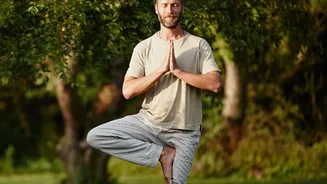
Shilpa Shetty demonstrated a seemingly simple yet demanding exercise. It involved standing, and then balancing on one leg, while dropping and catching two small balls in a rhythmic pattern. While it looks playful, the drill is a powerful test of coordination, balance, and focus. Shetty highlighted that the goal is to get the 'body and brain to work together'. This type of exercise, which combines physical and cognitive demands, activates different areas of the brain related to memory, motor control, and attention, making it a comprehensive workout.
Why Control Trumps Speed
The core principle of Shetty's drill is control. Whether it's balancing on one foot or coordinating hand movements, every action must be deliberate. This philosophy is a cornerstone of effective fitness that often gets overlooked in the quest for high-intensity, fast-paced workouts. Training with slow, controlled movements keeps muscles under tension for longer periods. This method builds deep muscular endurance and strength more effectively than rushing through repetitions with poor form. Instead of relying on momentum, the muscles are forced to do all the work, which leads to better results and a stronger mind-muscle connection.
The Unseen Benefits of Instability
Shetty's drill cleverly creates instability by having her balance on one leg. This concept is often taken further in gyms with equipment like stability balls. When you perform an exercise like a crunch or a plank on an unstable surface, your body has to work overtime. It recruits deep stabilizing muscles in your core, hips, and back that might otherwise remain dormant during standard exercises. Strengthening these muscles is crucial for good posture, reducing back pain, and improving overall functional strength—making everyday activities like lifting and carrying feel easier.
Building a Foundation for Functional Fitness
The skills honed in Shetty's drill—balance, coordination, and core control—are the building blocks of functional fitness. This is about training your body to handle real-life situations with strength and confidence. Improved mobility and control help prevent injuries by ensuring your joints and muscles can handle a wide range of motion safely. Exercises that challenge your balance and coordination train your body to react and stabilize itself, which is a skill that protects you from falls and strains in daily life. It’s not just about looking fit; it's about moving through the world with greater ease and resilience.
Incorporating Controlled Movement Into Your Routine
You don't need to be a celebrity to reap the benefits of controlled training. You can start small. If you use a stability ball, try simple exercises like crunches, hamstring curls, or V-passes where you pass the ball between your hands and feet. The key, as Shetty noted in a previous workout post, is to 'focus on slow, controlled movement. Quality > Quantity'. When performing any exercise, whether it's a squat, a pushup, or a bicep curl, consciously slow down the movement. Pay attention to how your muscles feel throughout the entire range of motion. This deliberate approach will not only enhance your strength gains but also make your workouts safer and more effective in the long run.