
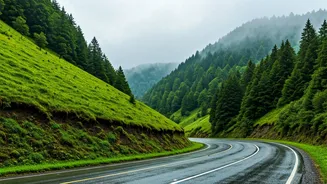




Wayanad, Kerala: The Emerald Sanctuary
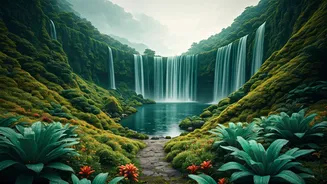
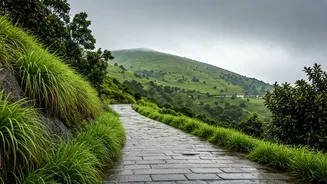
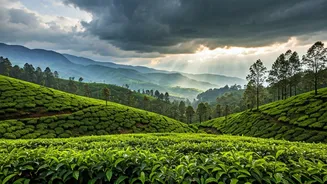
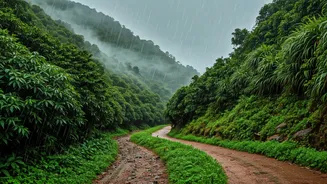
While Goa's beaches quiet down, the neighboring Western Ghats mountains come alive. Tucked away in northern Kerala, the district of Wayanad becomes an impossibly green wonderland from June to September. The oppressive heat of the dry season gives way to cool,
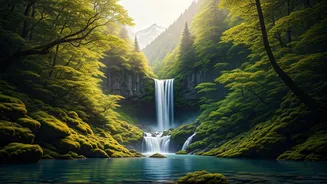
misty mornings and dramatic downpours that feed spectacular waterfalls like Soochipara and Meenmutty. This is the perfect time for a stay in a rainforest resort or a homestay nestled within a coffee or spice plantation. The air is thick with the scent of wet earth, cardamom, and pepper. Instead of sunbathing, days are spent trekking to ancient caves, sipping fragrant local coffee while watching the rain from a covered veranda, and indulging in Ayurvedic wellness treatments, which are considered most effective during the monsoon when the air is cool and dust-free.
Udaipur, Rajasthan: The Lake City Reborn
Mention Rajasthan and most picture a parched, sun-baked desert. But the monsoon grants this arid state a startling reprieve. Udaipur, the famed “City of Lakes,” is at its most romantic when the rains arrive. The shimmering lakes, including Pichola and Fateh Sagar, fill to the brim, reflecting the ornate palaces and hazy, cloud-topped Aravalli Hills. The scorching temperatures drop, making it pleasant to explore the majestic City Palace and wander the winding alleyways without the usual tourist throngs. The surrounding countryside explodes in a riot of green, a sight few associate with Rajasthan. Enjoying a hot cup of masala chai on a rooftop café overlooking a rain-swept lake is an experience that redefines the magic of this iconic city.
Valley of Flowers, Uttarakhand: A Himalayan Bloom
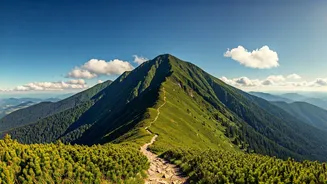
For the more adventurous traveler, this UNESCO World Heritage site is a bucket-list destination that exists only because of the monsoon. Tucked high in the Himalayas of Uttarakhand, the Valley of Flowers National Park is a stunning alpine meadow that remains blanketed in snow for most of the year. But from July to early September, the melting snow and monsoon rains trigger a breathtaking botanical phenomenon. Over 300 species of wildflowers, from Himalayan blue poppies to brahmakamal, burst into a carpet of brilliant color. Reaching the valley requires a multi-day trek, beginning from the small village of Govindghat. The journey itself is part of the magic, taking you through misty forests and alongside roaring rivers, far from the noise of civilization. It's a challenging but deeply rewarding pilgrimage into nature's most exclusive art show.
Meghalaya: The Abode of the Clouds
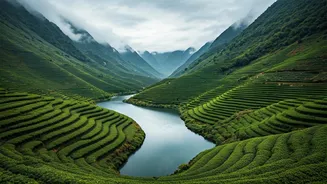
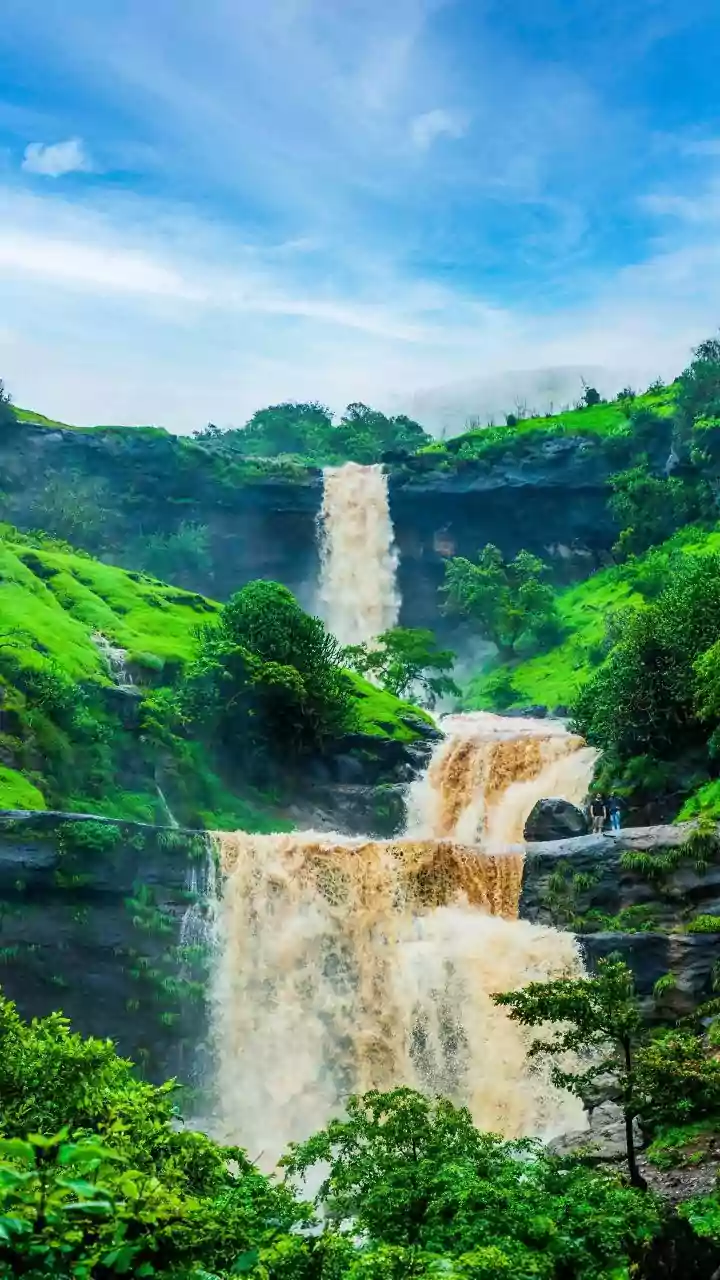
If you’re going to embrace the rain, why not go all in? The state of Meghalaya in Northeast India, whose name literally translates to “the abode of the clouds,” is home to some of the wettest places on Earth. This is not a land of gentle showers but of powerful, life-giving torrents that have shaped a unique landscape and culture. Here, you can witness the awe-inspiring living root bridges of Cherrapunji, marvels of bio-engineering created by the Khasi people over generations. The waterfalls, like the seven-tiered Nohsngithiang Falls, are at their thundering peak. Instead of hiding from the rain, locals live in harmony with it. The experience is primal and profound—a chance to see nature’s power at its most creative and untamed, surrounded by a green so deep it feels otherworldly.