


A New Golden Age for Live Music
Not long ago, seeing a major international artist in India was a once-in-a-decade event. Today, the concert calendar is packed. The 2026 schedule alone reads like a fan’s wishlist, with rock legends Linkin Park making their highly-anticipated debut, John
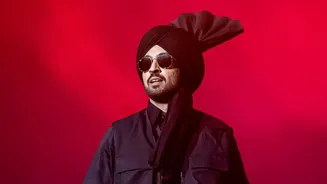
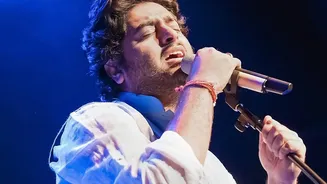
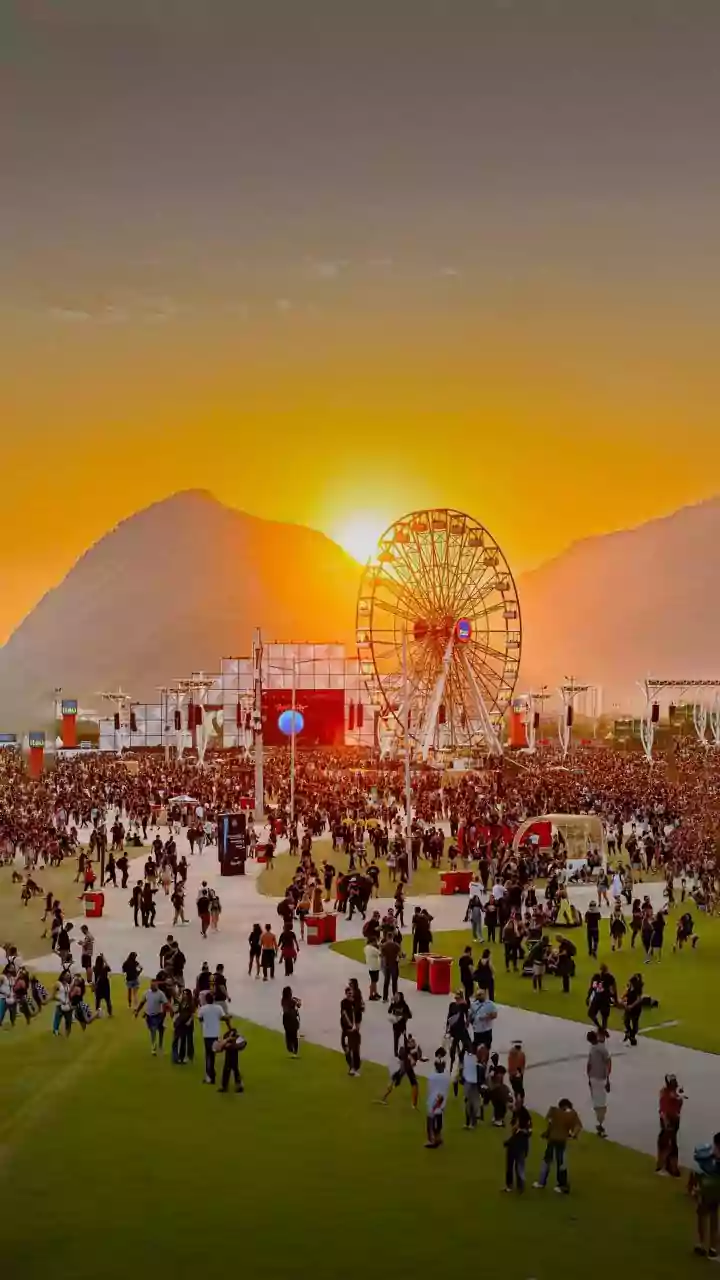
Mayer bringing his blues-infused guitar to Mumbai, and artists like Guns N' Roses and Khalid embarking on multi-city tours. This isn't just about Western acts; Indian superstars like Diljit Dosanjh and A.R. Rahman are staging massive, multi-city productions that are selling out stadiums and driving a new wave of fan engagement. The arrival of global festival brands like Lollapalooza, which featured headliners like Playboi Carti and Kehlani in its fourth edition, has further solidified India's position on the world's live music map.
What's Driving the Boom?
Several factors are fuelling this concert explosion. India's massive, young, and digitally-connected audience is a primary driver. Streaming platforms have given fans unprecedented access to global music, creating enormous fan bases that promoters can now tap into. Promoters like BookMyShow Live and Zomato are investing heavily, recognizing the immense market potential. The success of early, large-scale events has proven the market's viability. Coldplay's tour, for instance, demonstrated that there is a massive, organized audience ready to spend on premium experiences. This has created a virtuous cycle: successful shows encourage more artists to tour, which in turn builds a more mature concert-going culture. The government has also recognized the sector's potential, viewing live entertainment as a significant economic driver.
The Economic and Cultural Impact
The concert boom is more than just entertainment; it's a powerful economic engine. A single major concert can generate enormous revenue for a city. An EY report noted that for every ₹100 spent on a concert ticket, an additional ₹585 is spent on related activities like travel, accommodation, and food. This has given rise to the 'event tourist'—fans who travel across states just to catch a show, boosting local economies in the process. Beyond the economics, these events are fostering a sense of community. Festivals and concerts provide a physical space for digital fandoms to connect, creating shared cultural moments that resonate long after the final song.
Beyond the Metros
While Mumbai, Delhi, and Bengaluru remain the primary hubs, the music is spreading. Artists are increasingly adding cities like Pune, Hyderabad, Ahmedabad, and Shillong to their tour itineraries. Domestic artists, in particular, are finding huge, enthusiastic crowds in Tier-II and Tier-III cities, proving that the demand for live music is a pan-India phenomenon. Festivals like the Ziro Festival of Music in Arunachal Pradesh have become iconic destinations, blending music with local culture and tourism. This geographical expansion means more fans across the country have a chance to experience high-quality live productions without having to travel long distances.
What This Means for Fans
For the Indian music lover, the benefits are clear: more choice, better quality, and a richer cultural life. The competition among promoters and artists is driving up production values, with world-class sound, stages, and overall experiences becoming the norm. Whether your taste runs to rock, hip-hop, EDM, or Punjabi pop, there's likely a major artist or festival heading your way. The rise of multi-genre festivals like Lollapalooza and Bandland gives fans the opportunity to discover new artists while seeing their established favorites. This unprecedented access is transforming what it means to be a music fan in India, creating a vibrant, dynamic, and ever-growing live scene.