





Beyond Weather: What Climate Change Means for India
We often use 'climate change' and 'global warming' interchangeably, but they have distinct meanings. Global warming refers to the long-term heating of Earth’s climate system observed since the pre-industrial period due to human activities, primarily fossil
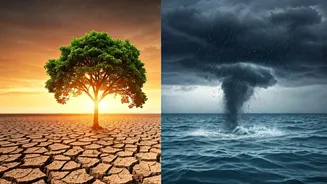
fuel burning, which increases heat-trapping greenhouse gas levels in Earth’s atmosphere. Climate change is the broader consequence of this warming. It encompasses not just rising average temperatures but also changes in rainfall patterns, the frequency of extreme weather events, and sea-level rise. For India, this isn't an abstract concept. It directly impacts the southwest monsoon, the lifeblood for over half of our agricultural land. Scientific models, including those referenced by the Intergovernmental Panel on Climate Change (IPCC), project that a warmer world will lead to more intense, erratic monsoon seasons—long dry spells punctuated by extreme rainfall events. This destabilises crop cycles, threatens food security, and increases the risk of both droughts and floods, often in the same season.
The Indian Frontline: Coasts, Cities, and Water
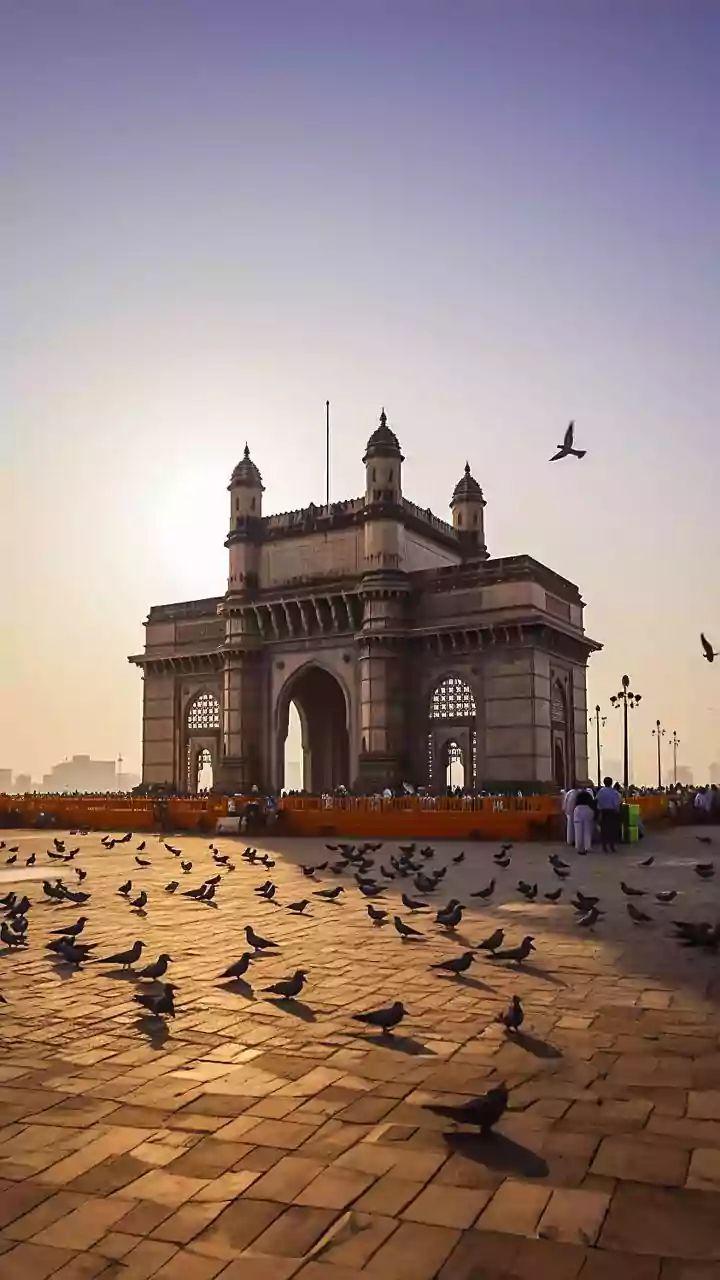
India’s 7,500-kilometre coastline is a critical frontline. As global temperatures rise, glaciers and ice sheets melt, and ocean water expands, causing sea levels to rise. This puts coastal megacities like Mumbai, Chennai, and Kolkata at severe risk. The threat isn't just a distant, slow-moving flood; it’s the increased damage from storm surges during cyclones, saltwater intrusion into freshwater sources, and the permanent loss of low-lying land that supports millions of people and vital economic activity.
Inland, our rapidly growing cities are becoming ‘urban heat islands.’ Concrete and asphalt absorb and retain more heat than natural landscapes, making urban areas significantly hotter than their rural surroundings. During a heatwave, this effect can be deadly, particularly for the elderly, outdoor labourers, and those without access to cooling. This isn't just discomfort; it's a major public health crisis in the making, straining our energy grids and water supplies as demand for air conditioning and hydration soars.
Knowledge as a Tool for Action
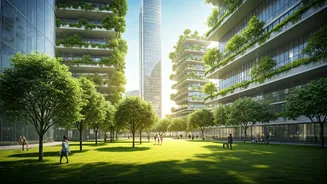
Knowing these specifics is what transforms anxiety into agency. Understanding that the monsoon is becoming more volatile helps us see why investing in water harvesting and drought-resistant crops is not just a policy decision but a survival strategy. Recognising the urban heat island effect explains why city planners are pushing for more green spaces, cool roofs, and better building insulation. It’s not about aesthetics; it’s about making our cities liveable.
This knowledge empowers us to ask better questions and demand smarter solutions. Why is a new coastal project being built without accounting for sea-level rise? How is our local municipality managing its water resources in the face of changing rainfall patterns? Is our nation’s energy policy aggressively shifting towards renewables like solar and wind, which India has in abundance? Informed citizens can move the conversation beyond generic environmentalism to specific, localised, and effective climate adaptation and mitigation strategies.
From Personal Choices to Systemic Shifts
Shaping the future requires action at every level. On a personal level, this means making conscious consumption choices: reducing waste, conserving water and electricity, and understanding the carbon footprint of our food and travel. These individual actions create a ripple effect, signalling market demand for sustainable products and services.
At the community level, it can involve participating in or organising local clean-up drives, tree-planting initiatives, or advocating for better public transport. But the most significant impact comes from pushing for systemic change. This means supporting businesses and leaders who champion green policies. It means understanding and engaging with national goals, such as India's Panchamrit commitments to achieve net-zero emissions by 2070 and generate 500 GW from non-fossil fuel sources by 2030. When we know what to ask for, we can collectively steer our society towards a more resilient and sustainable path.