





Hours spent typing can leave wrists and forearms feeling strained. An effective, time-honoured exercise known as wrist rolling offers a simple solution you can perform right at your desk to build strength and increase flexibility.
What is the Wrist Rolling Exercise?
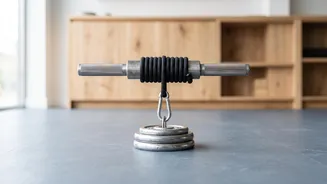
The wrist roller is a
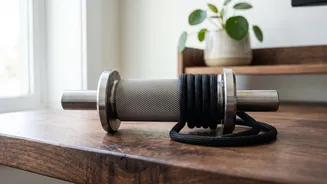
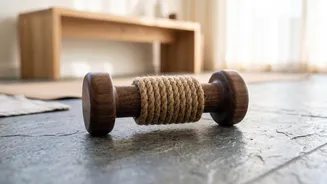
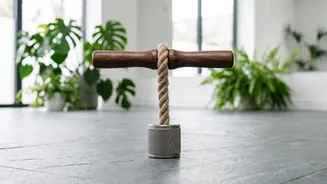
classic, highly effective exercise for building powerful forearms and a strong grip. The tool itself is simple: a bar or handle with a rope attached to the middle, with a weight at the end of the rope. The exercise involves holding the bar with both hands and extending your arms, then rotating your wrists to wind the rope around the bar, lifting the weight. You then reverse the motion, slowly lowering the weight back down. This continuous tension is what makes the exercise so effective. While the term 'African Wrist Rolling' may refer to traditional exercises using natural elements or circular wrist motions for flexibility, the modern weighted version is a globally recognized strength-building staple. Some historical accounts even trace the origins of the weighted wrist roller device to ancient Shaolin kung fu practices.
The Desk Worker’s Best Friend
For anyone working long hours at a computer, this exercise is a game-changer. The repetitive strain of typing often keeps forearm muscles in a state of constant, low-level contraction, leading to tightness and reduced circulation. Strengthening these muscles with wrist rollers can significantly improve endurance, wrist stability, and flexibility. This not only helps with daily tasks but also plays a crucial role in injury prevention. Strong, flexible forearms and wrists can help reduce the risk of developing conditions like carpal tunnel syndrome by alleviating pressure on the median nerve. Just a few minutes of this focused exercise can boost blood flow, combat fatigue, and improve your overall hand and wrist health.
How to Perform a Desk-Side Session
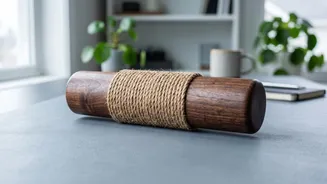
You don’t need gym equipment to get started. You can create a simple wrist roller using a small, sturdy object like a dowel or even a rolled-up magazine for the handle, and a rope or strong cord tied to a light weight like a water bottle. Start with a very light weight to master the form. Stand or sit upright. Hold the handle with both hands using an overhand grip, and extend your arms straight out in front of you at shoulder height. Slowly begin to rotate your wrists, one after the other, to roll the rope up toward the handle. The key is to isolate the movement to your wrists and forearms, avoiding any help from your shoulders or body momentum. Once the weight reaches the handle, pause, and then slowly reverse the motion, controlling the weight as it descends. That entire sequence counts as one repetition.
Structuring Your Mini-Workout
The beauty of this exercise is its efficiency. You can easily integrate it into your workday without disrupting your flow. Aim for two to three short sessions per day, perhaps during a coffee break or while waiting for a file to download. A good starting point is to perform 2 to 4 sets per session, with about a minute of rest in between each set. Focus on the feeling of the 'burn' in your forearms, which indicates the muscles are working correctly. Consistency is more important than intensity, especially when you are starting. Regular, short bursts of this exercise will build strength and resilience in your wrists and forearms over time, making those long hours at the keyboard far more comfortable.
Common Mistakes to Avoid
To get the most benefit and prevent injury, be mindful of these common errors. First, avoid using too much weight too soon. Starting too heavy can lead to strain and poor form. Second, do not use your shoulders or swing your body to help lift the weight; the work should come entirely from your wrists and forearms. Keep your arms steady and parallel to the floor. Another mistake is lowering the weight too quickly. The controlled, downward 'unrolling' phase is just as important as the upward lift for building strength. Finally, don't hold your breath. Breathe steadily throughout the exercise to ensure your muscles are getting the oxygen they need.