




The Monsoon Challenge for Balcony Gardens
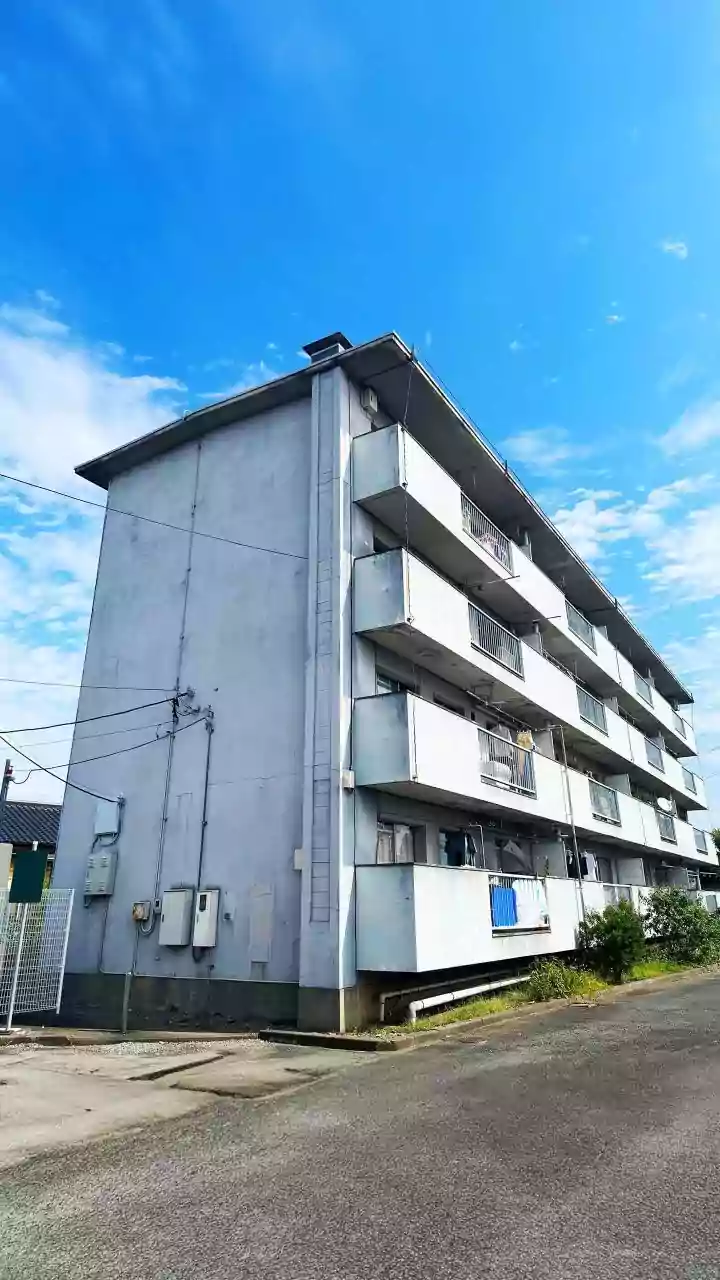
A balcony garden is a cherished urban oasis, but it’s uniquely vulnerable during the monsoon. Unlike a garden on the ground, pots have limited drainage and are completely exposed to the elements. The relentless rain can lead to several problems. The most
common is waterlogging, where soil becomes saturated, starving roots of oxygen and causing root rot. Heavy showers can also physically damage tender leaves and flowers, wash away essential soil nutrients, and compact the soil, making it harder for roots to thrive. High humidity also creates a perfect breeding ground for fungal diseases and pests like slugs and snails.
An Introduction to Modular Rain Panels
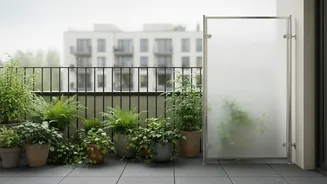
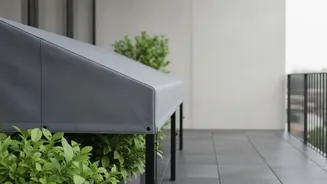
Modular rain panels are a modern solution designed to shield plants from the worst of the downpour. These are typically lightweight, transparent or semi-transparent sheets made from materials like polycarbonate or acrylic. The 'modular' aspect means they come in sections that can be connected or configured to fit the specific size and shape of your balcony. They function like a protective awning, deflecting the direct impact of heavy rain while still allowing crucial sunlight to reach the plants. Their primary purpose is to prevent the pots from becoming flooded, turning a torrential downpour into a manageable watering session.
Key Benefits of Using Protective Panels
The most significant advantage of using rain panels is the prevention of overwatering and root rot, the number one killer of potted plants during the monsoon. By shielding the soil, they also stop the rain from washing away valuable nutrients and fertilisers, ensuring your plants remain well-fed. Delicate plants with fragile leaves and flowers are protected from the physical force of heavy raindrops and associated winds. Furthermore, because the panels are modular, they offer a customisable solution that can be adapted for different balcony railings, extended, or moved as your garden evolves. This flexibility makes them a more versatile option than permanent structures.
DIY Alternatives and Simple Covers
If commercial modular panels are hard to find, you can create your own effective rain shields. A simple frame made from PVC pipes can be constructed over your plant arrangement, with a clear plastic sheet or tarp stretched over it. Be sure to create a slight angle so that water runs off instead of pooling and weighing the structure down. For a smaller scale solution, you can create individual pot covers using materials like old plastic placemats or disposable plastic trays taped together to form a lid over the soil. Even moving vulnerable plants under an existing overhang or grouping them together can offer some degree of protection from the worst of the rain.
Essential Monsoon Care Tips
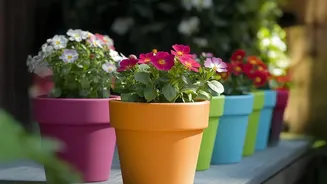
Beyond physical shields, good gardening practices are vital. First and foremost, ensure every pot has clear drainage holes. Elevating pots on bricks, stones, or pot feet allows excess water to escape freely and prevents the drainage holes from getting blocked. During the monsoon, you should reduce your manual watering schedule, only watering when the top layer of soil feels dry to the touch. Regularly pruning dead or yellowing leaves helps improve air circulation and discourages fungal growth. Finally, keep an eye out for pests that thrive in damp conditions and consider a preventive spray of neem oil.