





What the Science Says About Less Protein
A sweeping review of over 350 studies has presented compelling evidence that reducing protein intake could help slow the biological ageing process, improve metabolic health, and potentially extend lifespan. For years, the conventional wisdom, especially
in fitness circles, has been 'the more protein, the better'. This has led to a surge in protein-fortified products, from coffee to breakfast cereals. However, this new analysis suggests that for many relatively sedentary adults, this high-protein trend might be counterproductive. The research, which looked at studies in organisms from flies and rodents to humans, found that many of the known benefits of calorie restriction for longevity could be achieved simply by restricting protein, without cutting overall calories. In some human trials, participants who ate a moderately protein-restricted diet even lost weight and body fat and saw improved fasting blood sugar levels.
The 'How': Key Pathways to Longevity
So, how does eating less protein work its magic? The benefits appear to be linked to several key nutrient-sensing pathways in the body. Two of the most important are the mTOR and IGF-1 pathways. Think of these as 'growth' signals. When you consume a lot of protein, especially certain amino acids like methionine and leucine, these pathways are switched on, telling your cells to grow and proliferate. While this is crucial for building muscle, constant activation is linked to accelerated ageing and age-related diseases. Restricting protein dials down these signals. This allows the body to shift its focus from growth to maintenance and repair processes like autophagy—a cellular 'clean-up' system that removes damaged components. Less cellular junk accumulating over time is a central theme in theories of healthy ageing.
It's Not for Everyone: The Age Factor
This is where the advice gets nuanced, and it's a critical distinction to make. While protein restriction shows promise for middle-aged adults, the benefits appear to flip for those over 65. As we get older, our bodies become less efficient at using the protein we eat, a phenomenon called 'anabolic resistance'. To combat age-related muscle loss, or sarcopenia, older adults generally need more protein, not less. Sarcopenia can lead to frailty, loss of independence, and an increased risk of falls. Expert groups like the PROT-AGE Study Group recommend that healthy adults over 65 consume 1.0 to 1.2 grams of protein per kilogram of body weight, which is significantly higher than the standard recommendation for younger adults. So, while a 50-year-old might benefit from moderating their intake, a 75-year-old likely needs to ensure they're getting enough protein to maintain muscle mass and strength.
Does the Source of Protein Matter?
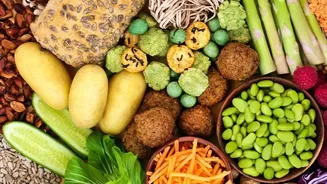
The type of protein you eat is just as important as the amount. Many studies suggest that swapping some animal protein for plant protein is associated with significant health benefits. Research has linked higher intake of plant protein with lower overall mortality and a reduced risk of death from cardiovascular disease. This may be because plant proteins, like those from beans, lentils, and nuts, are often lower in the specific amino acids that strongly activate the mTOR pathway. Furthermore, plant-based protein sources come packaged with fibre, antioxidants, and other beneficial compounds that support health and longevity. In contrast, high consumption of red and processed meats has been linked to increased inflammation and a greater risk of chronic diseases. This doesn't mean all animal protein is bad; sources like fish and dairy can offer unique benefits. The key seems to be balance and prioritising whole-food sources.