






A Golden Harvest in Numbers
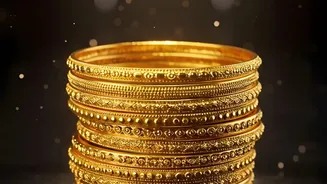
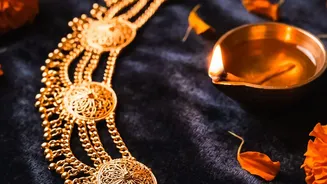
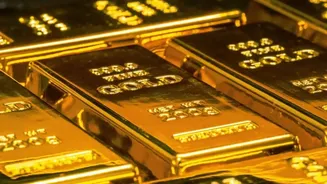
The festive period, particularly around Dhanteras and Diwali, saw a notable surge in gold purchases across India. According to the India Bullion and Jewellers Association (IBJA), gold demand rose approximately 30% in volume terms compared to the same
period last year. The industry body estimated that consumers bought about 52 tonnes of gold, translating to a staggering ₹72,000 crore in value. Other trade bodies, like the All India Gem and Jewellery Domestic Council (GJC), offered similar estimates, putting total gold business around the ₹60,000 crore mark and noting a 15-20% rise in sales value year-on-year. While the value of sales saw a clear increase, many in the industry believe the actual volume of gold sold was likely flat compared to last year, with higher prices accounting for the growth in rupee terms.
What's Driving the Festive Rush?
Several factors converged to fuel this year's impressive sales. A key driver was a timely correction in gold prices. After hitting a peak of around ₹1.8 lakh per 10 grams earlier in the year, prices softened to about ₹1.42 lakh during the festive window, encouraging hesitant buyers to enter the market. This price dip acted as a powerful incentive for both traditional festive shoppers and those making purchases for the upcoming wedding season, which kicks off in mid-November. The timing of the festivals also helped, as Dhanteras and Diwali fell early in the month when many salaried employees receive their pay and annual bonuses, ensuring healthy cash flow in the market. This confluence of favourable pricing and financial readiness created a perfect storm for robust demand.
A Barometer of Economic Confidence
Beyond tradition, festive gold buying is a powerful indicator of consumer sentiment and the broader economic outlook. The strong sales figures suggest a resilient consumer base, undeterred by broader economic uncertainties. This aligns with recent positive forecasts for the Indian economy, with agencies like Moody's upgrading India's growth forecast for the 2026-27 fiscal year to 7%, citing strong consumption and investment dynamics. The willingness of households to spend on high-value items like gold signals confidence in their financial stability and optimism about the future. While the Reserve Bank of India's recent consumer confidence surveys have shown some caution, the festive spending spree provides a tangible, real-world counterpoint suggesting underlying strength.
Shifting Tastes and Savvy Buyers
While the appetite for gold remains strong, consumer preferences are evolving. This year, jewellers noted a distinct trend towards lightweight jewellery, particularly in the 14-carat and 18-carat categories. This shift allows buyers to stay within budget while still participating in the auspicious tradition of buying gold, especially with prices being higher than last year. Consumers are effectively spending more to get less metal, a trend confirmed by the World Gold Council's Q3 2026 report, which showed demand value outpacing volume. Furthermore, there was a noticeable increase in demand for smaller coins and bars, as well as a growing interest in digital gold among younger, tech-savvy consumers. The practice of exchanging old jewellery to offset the cost of new purchases also remained a popular strategy for managing affordability.