


Beyond Ketchup and Mayo
For decades, the Indian condiment landscape in many homes was dominated by familiar classics: a sweet mango chutney, a fiery lime pickle, and perhaps a bottle of tomato ketchup for the kids. They are beloved staples, but a quiet revolution has been bubbling
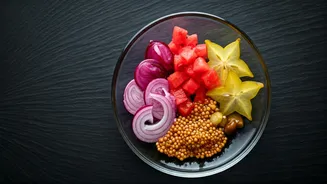
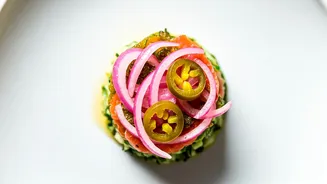
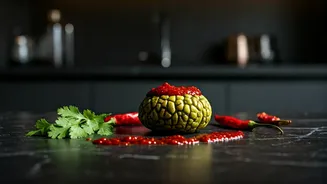
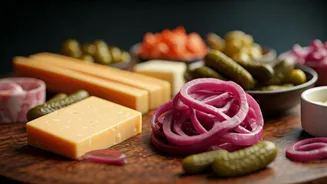
away on kitchen counters. Today, the sign of a truly confident home cook isn't a perfectly folded paratha, but what’s in the jars next to it. We’re talking about lacto-fermented hot sauces, hot honey, quick-pickled onions, complex kasundis, and savoury fruit achars. These aren't just side dishes; they are the exclamation point on a meal. This shift represents a move away from one-note sweetness and towards a celebration of acidity, funk, and complex, layered flavours. It's less about following a recipe to the letter and more about understanding how to balance a dish at the very end.
The Power of Pucker
So, why the obsession with tang? The answer is part science, part art. Acidity is a cook’s secret weapon. It cuts through richness, balances fat, and brightens up heavy or earthy flavours. Think about how a squeeze of lime transforms a bowl of dal, or how a sharp pickle elevates a rich biryani. Tangy condiments provide this crucial acidic element in a concentrated, flavour-packed form. Chefs have known this forever, meticulously balancing their dishes with vinegars, citrus, and ferments. Now, home cooks are embracing this principle with gusto. By making or sourcing a great tangy condiment, they’re not just adding a topping; they are actively finishing their dish, adjusting the final flavour profile like a professional. It’s a flex of culinary knowledge, demonstrating an understanding of flavour dynamics that goes beyond simply following steps.
A Pandemic-Fueled Project
Like sourdough starters and dalgona coffee, the rise of the ambitious condiment found fertile ground during the pandemic lockdowns. With more time at home and a craving for new projects, many aspiring cooks went beyond baking bread and delved into the world of preserving and fermenting. Sterilising jars, sourcing interesting spices, and patiently waiting for pickles to mature or ferments to bubble became a rewarding, slow-paced hobby. It was a way to feel productive and creative, resulting in a tangible, delicious product. This wasn't just about killing time; it was about investing time. That jar of homemade pickled chillies or garlic-dill pickles sitting on the shelf became a trophy—a testament to patience and a newfound skill that has persisted long after the lockdowns ended.
The Instagram-Ready Jar
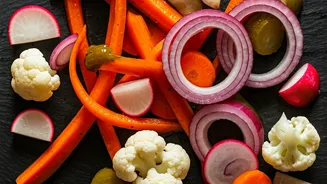
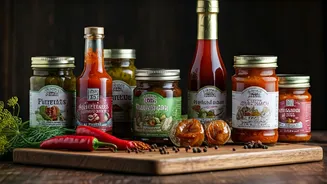
Let’s be honest: it also looks great. A row of colourful jars filled with pink pickled onions, yellow turmeric-spiced cauliflower, and deep red chilli sauces makes for a stunning visual. In the age of social media, where we eat with our eyes first, the aesthetic appeal of these condiments is undeniable. Posting a picture of your perfectly arranged pantry, with jewel-toned jars gleaming, is a powerful visual flex. It signals dedication, skill, and a sophisticated palate. It says, “I don’t just cook; I curate.” This visual appeal has helped propel the trend, inspiring others to try their hand at making their own vibrant, flavour-packed creations and share them with their followers, creating a delicious and photogenic feedback loop.
Global Flavours, Local Kitchens
This trend is also intrinsically linked to our expanding culinary curiosity. As home cooks explore cuisines from around the world—from Korean to Mexican to modern Middle Eastern—they discover that complex condiments are often the heart and soul of these food cultures. Think of the vital role of kimchi in Korean food, the diverse array of salsas in Mexican cuisine, or the infinite variety of achars and chutneys across South Asia. By embracing tangy condiments, Indian home cooks are not just modernising their own repertoire; they are participating in a global conversation about flavour. They are bringing international techniques and tastes into their own kitchens, personalising them, and using them to add new dimensions to both traditional and contemporary Indian dishes.