




Decoding the Afternoon Energy Crash
That drowsy, unfocused feeling that often hits between 1 PM and 3 PM is more than just a sign of a long day. It’s a combination of your body’s natural biological clock, called the circadian rhythm, and nutritional choices. A natural dip in our internal
clock occurs in the early afternoon, which can trigger sleepiness. This effect is often magnified by what you ate for lunch. A meal high in refined carbohydrates and sugars—like white bread, pasta, or sugary drinks—causes a rapid spike in your blood sugar. Your body releases insulin to manage this spike, but often overcorrects, leading to a subsequent crash that leaves you feeling sluggish and drained.
The Millet Advantage: Slow-Release Fuel
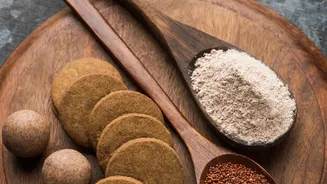
This is where ancient Indian grains like millets come in. Unlike refined grains that cause sharp energy spikes, millets are complex carbohydrates. They are packed with dietary fibre, which slows down digestion and ensures a gradual release of glucose into the bloodstream. This provides a slow, steady stream of energy, helping you avoid the dreaded post-lunch crash. Studies show that millets have a low average glycemic index (GI)—a measure of how quickly a food raises blood sugar—significantly lower than milled rice and refined wheat. This quality makes them an excellent choice for maintaining stable energy levels and supporting overall metabolic health.
Seeds: Nutrient-Dense Powerhouses
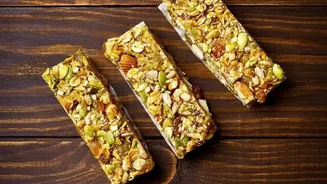
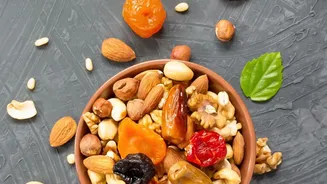
Seeds may be small, but they are nutritional giants. Varieties like flax, chia, pumpkin, and sunflower seeds are packed with a powerful combination of protein, healthy fats, and fibre. This balanced macronutrient profile works to regulate blood sugar and deliver sustained energy. The protein and healthy fats promote a feeling of fullness, while the fibre aids digestion and further slows the absorption of sugar. Additionally, seeds are rich sources of essential minerals like magnesium, which plays a crucial role in the body’s energy production at a cellular level. A lack of magnesium can contribute to feelings of fatigue, making a handful of mixed seeds a smart way to refuel.
Why Homemade Is Healthiest
While store-bought snacks are convenient, making your own millet bites and seed mixes at home puts you in complete control. Packaged snacks are often laden with hidden sugars, unhealthy fats, and preservatives that can negate your health goals. Preparing them yourself allows you to manage the ingredients, ensuring they are fresh and free from unwanted additives. You can customise your mixes based on your taste preferences and nutritional needs, whether that means adding specific seeds for hormonal balance or combining millet flour with dates for natural sweetness. It’s a simple, cost-effective way to ensure your snack is genuinely working for you.
Easy Ideas for Your Work Snack Drawer
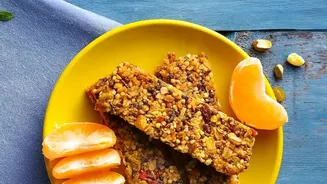
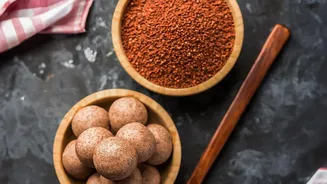
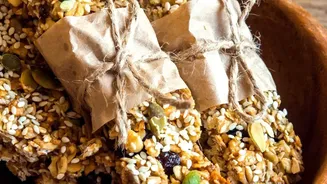
Integrating these superfoods into your routine doesn’t require complex recipes. For a simple seed mix, combine equal parts raw or lightly roasted pumpkin seeds, sunflower seeds, chia seeds, and flax seeds in an airtight container. You can sprinkle a tablespoon on your yoghurt, salad, or just eat a small handful. For an easy millet bite, mix one cup of ragi (finger millet) flour with half a cup of pitted, mashed dates and two tablespoons of peanut butter. Roll the mixture into small, bite-sized balls and refrigerate. These no-bake energy balls are a perfect on-the-go snack packed with fibre and sustained energy.