



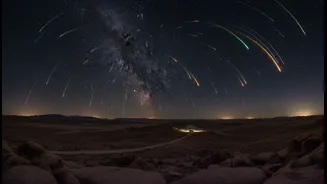
What is Astrotourism?
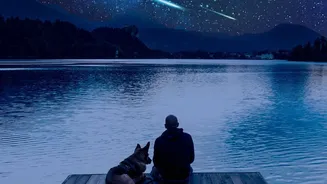
Astrotourism, or dark sky tourism, is travel planned specifically for the purpose of stargazing and observing celestial events. It’s about intentionally seeking out locations with minimal light pollution to experience the night sky in its full, unobscured
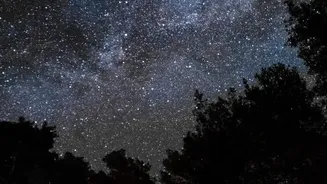
glory. But it’s more than just looking at stars; it’s a holistic experience. It involves journeying to remote, often beautiful, locations, disconnecting from the constant glow of screens, and reconnecting with a sense of wonder. For many urban Indians who can barely spot a few dozen stars on a good night, seeing the Milky Way for the first time is a profound experience.
Why the Sudden Star Rush?
The rise of astrotourism in India isn’t accidental. It’s driven by a confluence of factors that resonate with the modern urban experience. Firstly, there's the overwhelming light pollution in cities, where over 80% of the world's population lives under a skyglow that washes out the stars. This has made a truly dark sky a rare and valuable commodity. Secondly, there's a growing desire for wellness and meaningful travel. A stargazing trip offers a genuine digital detox, reduces stress, and promotes mindfulness. Finally, recent successes in space exploration, like India's Chandrayaan missions, have ignited a mainstream curiosity about the cosmos. This has transformed stargazing from a niche hobby into one of the country's fastest-growing experiential travel segments.
India’s Celestial Hotspots
India’s diverse geography makes it a prime destination for astrotourism. The high-altitude cold deserts of the Himalayas offer some of the best viewing conditions on the planet. Hanle in Ladakh is the crown jewel, home to India's first official Dark Sky Reserve. Its altitude and clear, dry air provide breathtaking views of the Milky Way. Spiti Valley in Himachal Pradesh is another favourite, with villages like Kaza and Kibber offering raw, dramatic landscapes and incredibly dark skies. Beyond the mountains, the white salt desert of the Rann of Kutch in Gujarat provides a surreal setting with an endless horizon. Even in the south, the coffee plantations of Coorg in Karnataka offer misty nights with clear views, away from city lights.
Your First Stargazing Trip: What to Know
Ready to plan your own cosmic escape? You don’t need to be an astronomy expert. The most important factor is choosing a location with low light pollution. For the best experience, plan your trip around a new moon, when the sky is at its darkest. While a telescope offers incredible views, it's not essential for your first time; a pair of binoculars can reveal stunning details of the moon and star clusters. Remember to pack warm clothes, as even desert locations can get cold at night. Many destinations now have specialized companies and homestays, like Astrostays in Ladakh, that offer guided sessions, providing telescopes and training locals to share their knowledge of the night sky, making the experience both accessible and enriching.
From Hobby to Holiday
The evolution of astrotourism shows a clear shift in travel priorities. It's no longer just about seeing new places, but about having unique experiences. Companies like Starscapes and Astroport are setting up observatories and resorts across the country, catering to this demand. Visitor numbers to prime locations like Hanle have surged, growing from 5,000 to over 30,000 annually after it was designated a dark-sky reserve. This indicates that travellers are actively choosing destinations that offer not just relaxation, but also education, perspective, and a touch of awe. The weekend getaway is no longer just an escape from work; for many, it's now an escape to the universe.